
Auckland Zoo
Auckland Zoo is a 16.35-hectare (40-acre) not-for-profit wildlife conservation organization located in Auckland, New Zealand. Established in 1922, it focuses on the wellbeing of people, wildlife, and nature, and is actively involved in conservation fieldwork and rehabilitation of native wildlife through its New Zealand Centre for Conservation Medicine.
Key Facts
- ›Founded in 1922, Auckland Zoo is a not-for-profit organization.
- ›It spans 16.35 hectares (40 acres) and is located in Auckland, New Zealand.
- ›The zoo has a dedicated New Zealand Centre for Conservation Medicine for wildlife treatment and rehabilitation.
- ›Auckland Zoo is a full institutional member of the Zoo and Aquarium Association (ZAA) and part of WAZA and EAZA.
- ›It is certified net carbon zero and holds Qualmark Envirogold accreditation.
- ›Key developments include the opening of Te Wao Nui in 2011, focusing on native New Zealand flora and fauna.

Te Wao Nui
Jamuna
Species Monitoring, Research, Education, Rehabilitation of Native Wildlife
About Auckland Zoo
Auckland Zoo, known in Māori as Te Whare Kararehe o Tāmaki Makaurau, is a significant not-for-profit wildlife conservation organization situated in Auckland, New Zealand. Spanning 16.35 hectares (40 acres), it is located adjacent to Te Waiōrea Western Springs Park and not far from the city's central business district.
History and Development
The zoo's establishment in 1922 followed the closure of an earlier private zoo. Businessman J.J. Boyd had attempted to create a zoological facility in Onehunga, but local council by-laws eventually forced its closure. The Auckland City Council then purchased Boyd's remaining animals to form the nucleus of the new zoo at Western Springs. The zoo officially opened on December 16, 1922, by Governor-General Admiral Jellicoe.
Early years saw rapid expansion and the acquisition of animals, including the zoo's first animal star, the Indian elephant Jamuna, in the 1920s. Despite initial challenges with animal mortality rates, improvements in accommodation and care under directors like L.T. Griffin and later Lt. Col. E.R. Sawer in the 1930s led to significant reductions in death rates and increased breeding success. Sawer advocated for the zoo's role in education, science, and conservation, making sweeping changes to improve animal welfare and zoo management.
World War II presented challenges, with reduced attendance and supply issues. However, post-war, the zoo saw renewed investment and development. The 1940s and 1950s brought the construction of an aquarium and the acquisition of new species, though a period also saw the controversial practice of chimpanzee 'tea parties' for public entertainment, which ceased in 1963 due to evolving ethical standards.
From the late 1980s onwards, a focus on modernizing enclosures began, phasing out older exhibits and replacing them with more naturalistic environments. A major development was the opening of Te Wao Nui in 2011, an area dedicated to showcasing native New Zealand flora and fauna.
Conservation and Operations
Auckland Zoo actively engages in conservation fieldwork across New Zealand, French Polynesia, and the Pacific Islands, encompassing species monitoring, research, and education. A cornerstone of its conservation efforts is the New Zealand Centre for Conservation Medicine (NZCCM), which houses the zoo's veterinary hospital. Here, sick and injured wildlife from across New Zealand are treated with the aim of rehabilitation and release.
The zoo is a full institutional member of the Zoo and Aquarium Association (ZAA) and holds ISO 14001 accreditation for its Environmental Management System. It is also affiliated with the World Association of Zoos and Aquaria (WAZA) and the European Association of Zoos and Aquaria (EAZA). Auckland Zoo is certified net carbon zero and holds Qualmark EnviroGold accreditation, reflecting its commitment to environmental sustainability.
Source: Wikipedia ↗
Frequently Asked Questions
When was Auckland Zoo established?
Auckland Zoo was established in 1922. Its origins trace back to businessman J.J. Boyd's earlier attempts to establish a zoological facility in Onehunga, which was eventually closed, leading to the city council purchasing the remaining animals to form the basis of the permanent zoo at Western Springs.
What is the size of Auckland Zoo?
Auckland Zoo covers an area of 16.35 hectares, which is equivalent to 40 acres. This space allows for a variety of exhibits and habitats for its animal collection.
What is the focus of Auckland Zoo?
Auckland Zoo is a not-for-profit organization with a strong focus on wildlife conservation, the wellbeing of people, wildlife, and nature. It actively participates in conservation fieldwork and research.
Does Auckland Zoo have a role in native New Zealand wildlife conservation?
Yes, Auckland Zoo plays a significant role in native New Zealand wildlife conservation. It houses the New Zealand Centre for Conservation Medicine, which treats and rehabilitates sick and injured native wildlife with the goal of release back into the wild. The zoo also features Te Wao Nui, an area dedicated to native New Zealand flora and fauna.
What are some notable historical aspects of Auckland Zoo?
Historically, Auckland Zoo saw the arrival of its first animal star, the elephant Jamuna, in the 1920s. The zoo also had a period of public chimpanzee 'tea parties' which ceased in the 1960s due to evolving zoo philosophies. Significant developments include the expansion into Te Waiōrea Western Springs Park and the creation of modern enclosures.
Is Auckland Zoo accredited by any major zoological organizations?
Yes, Auckland Zoo is a full institutional member of the Zoo and Aquarium Association (ZAA). It is also part of the World Association of Zoos and Aquaria (WAZA) and the European Association of Zoos and Aquaria (EAZA).
Related Zoos

Orana Wildlife Park
Orana Wildlife Park is New Zealand's sole open-range zoo, situated on 80 hectares on the outskirts of Christchurch. Established in 1976 and operated by the Orana Wildlife Trust, it aims to provide recreation, conserve endangered wildlife, educate visitors, and support research. The park is a registered charity and relies heavily on gate takings and fundraising for its operations and capital projects.
Willowbank Wildlife Reserve
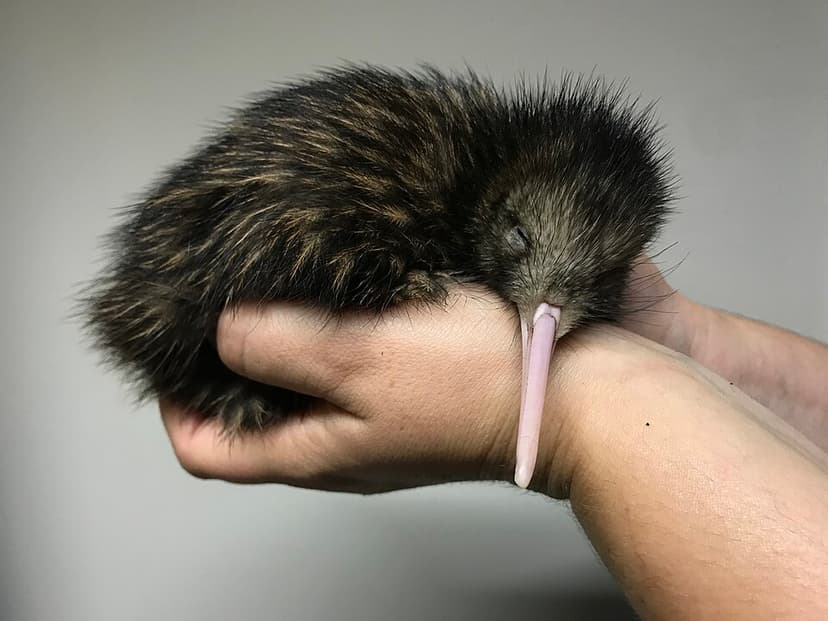
Willowbank Wildlife Reserve is a wildlife park and nature reserve located in Christchurch, New Zealand, dedicated to the conservation of native species. It plays a crucial role in breeding and displaying native New Zealand animals, including rare breeds and endangered species, while also offering public viewing of a diverse range of exotic and farmyard animals.
Alaska Zoo
The Alaska Zoo, located in Anchorage, Alaska, is a popular attraction focused on showcasing animals native to the state alongside exotic species. It plays a significant role in education, research, wildlife conservation, and animal rehabilitation, often housing orphaned or injured animals.