
Qalqilya Zoo
Palestine·Urban Zoo·20th century
Qalqilya Zoo is the sole zoological institution in the State of Palestine, located in the city of Qalqilya in the West Bank. Established in 1986, it was conceived as a symbol of Arab-Israeli cooperation, with Israeli zoos assisting in its stocking. Despite challenges, including periods of restricted access and the loss of animals due to conflict, the zoo has persevered, offering a unique educational and recreational space.
Key Facts
- ›It is the only zoo in the State of Palestine.
- ›Covers an area of 2 hectares (4.9 acres).
- ›Established in 1986, it was designed as a symbol of Arab-Israeli cooperation.
- ›Houses approximately 170 animals.
- ›Features a natural history museum and a children's entertainment park.

Natural History Museum, Children's Entertainment Park
Dubi, Ruti
About Qalqilya Zoo
Qalqilya Zoo, known in Arabic as حديقة الحيوانات الوطنية, is the singular zoological institution within the State of Palestine. Situated in the Palestinian city of Qalqilya, on the western periphery of the West Bank, it serves as both an educational resource and a recreational site. The zoo was established in 1986 with the intention of fostering Arab-Israeli cooperation, a vision supported by the assistance of Israeli zoos in its initial stocking.
History and Context
The concept for the zoo originated with the former mayor of Qalqilya, envisioning it as a significant Palestinian national institution. Upon its opening, it was lauded as a "jewel in the crown of Palestinian national institutions." It quickly became a popular destination, attracting both Arab and Israeli visitors. However, the outbreak of the Second Intifada led to restrictions, barring entry for visitors from outside Qalqilya. In 2003, arrangements were made to allow group visits.
Tragically, the zoo's history is marked by incidents related to the surrounding conflict. A child was killed by indiscriminate fire near the entrance on a public holiday, causing a temporary decline in visitors. The zoo's resilience has been notably attributed to the persistent efforts of its resident veterinarian, Sami Khadr, and his staff. During periods of unrest, animals were also lost; the zoo's only male giraffe, Dubi, died after being frightened by gunfire, and his pregnant mate, Ruti, subsequently miscarried. These animals, along with others, were taxidermied by Dr. Khadr and are now displayed in the zoo's museum.
Animal Collection and Facilities
Qalqilya Zoo houses a diverse collection of animals, including lions, brown bears, crocodiles, ostriches, camels, deer, gazelles, zebras, various birds, lizards, snakes, and monkeys. A notable resident is a hippopotamus also named Dubi, who shares its enclosure with a family of peacocks. The enclosures are described as spacious and clean, with some comparable to those found in larger institutions like the London Zoo.
Beyond its animal exhibits, the zoo features a natural history museum that showcases nearly 100 taxidermied exotic animals, prepared by Dr. Khadr. The museum is a frequent destination for school children. Additionally, the zoo includes a children's entertainment park, part of which is situated within what was formerly a swimming pool.
Ongoing Support
Throughout its existence, an Israeli veterinarian, Motke Levison, has provided continuous support to Qalqilya Zoo. His contributions include phone consultations, delivery of emergency medical supplies, and acting as a mediator to help the zoo acquire new animals. In 2004, the Ramat Gan Safari park in Israel donated three lions, three desert ibex goats, and two zebras, with the lions being named "the kings of peace." The Ramat Gan zoo has also reportedly sent monkeys, an ostrich, and raccoons to Qalqilya.
Source: Wikipedia ↗
Frequently Asked Questions
When was Qalqilya Zoo established?
Qalqilya Zoo was established in 1986. It was conceived as a symbol of Arab-Israeli cooperation, with Israeli zoos helping to stock it at its inception.
What is the size of Qalqilya Zoo?
The zoo covers an area of 2 hectares, which is equivalent to approximately 4.9 acres. It is described as a small zoo.
What kind of animals can be found at Qalqilya Zoo?
The zoo houses a variety of animals including lions, brown bears, crocodiles, ostriches, camels, deer, gazelles, zebras, various birds, lizards, snakes, and monkeys. It also has a hippopotamus named Dubi.
Does Qalqilya Zoo have any special facilities?
Yes, Qalqilya Zoo includes a small natural history museum where taxidermied animals are displayed. It also has a children's entertainment park, with part of it located in a former swimming pool.
How has the zoo maintained operations amidst challenges?
The survival of Qalqilya Zoo has been significantly attributed to the dedication of its resident veterinarian, Sami Khadr, and his staff. Israeli veterinarian Motke Levison has also provided crucial support through consultations, medical supplies, and mediation for acquiring new animals.
Related Zoos
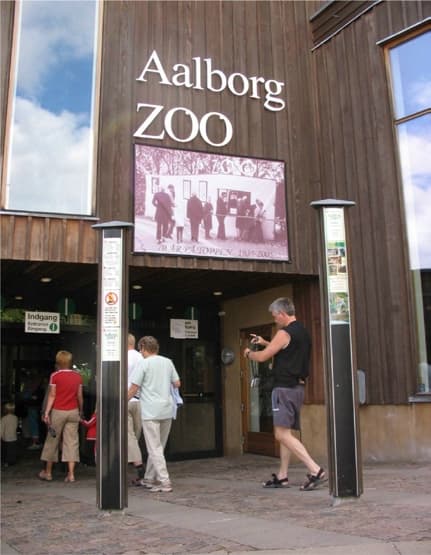
Aalborg Zoo
Aalborg Zoo is a zoological garden situated near the heart of Aalborg, Denmark, drawing approximately 375,000 visitors annually. It serves as a significant institution for animal conservation, actively participating in global breeding programs and environmental preservation projects, including supporting rainforest conservation in Ecuador.
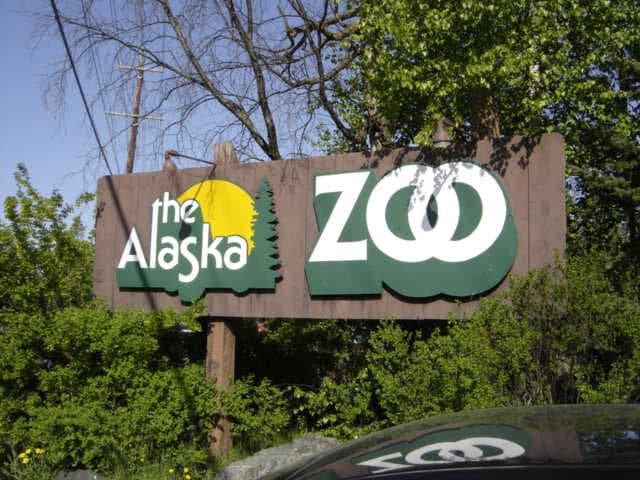
Alaska Zoo
The Alaska Zoo, located in Anchorage, Alaska, is a popular attraction focused on showcasing animals native to the state alongside exotic species. It plays a significant role in education, research, wildlife conservation, and animal rehabilitation, often housing orphaned or injured animals.

Aquazoo Löbbecke Museum
The Aquazoo Löbbecke Museum in Düsseldorf is a unique institution that combines a zoo, natural history museum, and aquarium. Opened in 1987, it houses approximately 500 animal species and 1,400 natural history exhibits, making it Düsseldorf's most visited cultural attraction.