
Ramat Gan Safari
The Zoological Center Tel Aviv-Ramat Gan, commonly known as Safari Ramat Gan, is the largest wildlife collection in human care in the Middle East. Established in 1981, it features a drive-through African safari and a modern outdoor zoo, attracting over 700,000 visitors annually. The center plays a significant role in conservation, participating in numerous endangered species breeding programs and operating the Israeli Wildlife Hospital.
Key Facts
- ›Located in Ramat Gan, Israel, it is the largest wildlife collection in the Middle East.
- ›Covers 250 acres, featuring a drive-through African safari and an outdoor zoo.
- ›The African animal park opened in 1974; the zoo was established in 1981.
- ›Houses 83 species of mammals, 92 species of birds, and 23 species of reptiles.
- ›Participates in 60 international and local endangered species breeding programs.
- ›Attracts over 700,000 visitors annually.
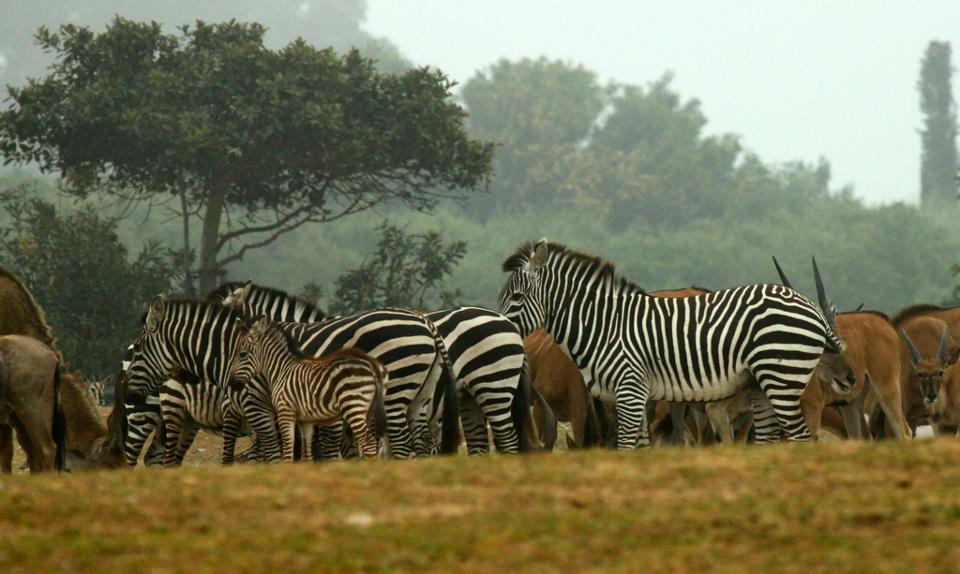
African Safari Drive-Through
- Yossi (legendary breeding male African elephant)
- Shalom (first white rhino born at the safari)
- European Endangered Species Programs
- European Studbook Programs
- Local captive breeding projects for raptor populations in Israel
- Griffon Vulture Breeding
- White-Tailed Sea Eagle Breeding
- Sand Cat Breeding and Release Attempts
About Ramat Gan Safari
Zoological Center Tel Aviv-Ramat Gan
The Zoological Center Tel Aviv-Ramat Gan, commonly known as the Safari Ramat Gan, is situated in the city of Ramat Gan in Israel's Tel Aviv District. It stands as the largest collection of wildlife in human care within the Middle East. The expansive 250-acre site is divided into two primary areas: a drive-through African safari and a contemporary outdoor zoo.
History and Development
The origins of the Safari Ramat Gan trace back to a small children's zoo established in the Ramat Gan National Park in 1958. In the late 1960s, Zvi Kirmeyer, the founding director, was inspired by the emerging concept of safari parks. With the support of Ramat Gan's first mayor, Avraham Krinitzi, and later, Mayor Dr. Yisrael Peled, the vision for a drive-through Safari Park in Israel began to take shape. Half of the existing National Park was allocated to this new entity, the Zoological Corporation of Ramat Gan. Designed by the landscape architecture firm Miller-Blum-Lederer, the park received its initial animal inhabitants from Tanzania between 1968 and 1972. The drive-through African Safari park officially opened to the public in 1974, though without a formal ceremony due to the Yom Kippur War.
In the late 1970s, the aging Tel Aviv Zoo, founded in 1938, faced closure due to its unsuitable conditions and location. An agreement was made between Tel Aviv and Ramat Gan to establish a new zoo within the Zoological Corporation of Ramat Gan to house the Tel Aviv Zoo's collection. This led to the formation of the Zoological Center Tel Aviv-Ramat Gan, jointly owned by the two municipalities. The new zoo, designed with inspiration from leading European zoo practices of the era and featuring open enclosures within subtropical gardens, opened in 1981 after two years of construction.
Animal Collection and Conservation
The Safari Ramat Gan is home to a diverse array of species, including 83 species of mammals, 92 species of birds, and 23 species of reptiles. Notable inhabitants include white rhinos, hippos, lions, African and Asian elephants, chimpanzees, gorillas, orangutans, and a Komodo dragon. The animals are displayed in open-air enclosures set amidst lush gardens.
The center is deeply committed to wildlife conservation and participates in 60 international and local endangered species breeding programs, including those under the European Association of Zoos and Aquaria (EAZA). It has demonstrated significant success in breeding programs for white rhinos, elephants (both African and Asian), hippos, and gorillas. Locally, the Safari has been involved in captive breeding projects for declining raptor populations in Israel, such as griffon vultures and white-tailed sea eagles, with some successful releases into the wild.
Israeli Wildlife Hospital
Founded in 2005, the Israeli Wildlife Hospital (IWH) is a cooperative venture between Ramat Gan Safari and the Israel Nature and Parks Authority. The hospital treats over 2,000 wild animals annually, with birds forming the majority of cases. It addresses injuries caused by human activities, including those from domestic and feral animals, traffic accidents, illegal capture, and poisoning. A modern clinic, inaugurated in 2010, enhances its capacity for treatment, surgery, and research.
Visitor Experience and Education
The Safari Ramat Gan welcomes over 700,000 visitors each year. It offers a variety of educational programs and special tours, including guided safari train tours, behind-the-scenes VIP tours, family workshops, day camps, after-school clubs, and courses for adults. These programs aim to educate the public about animal life, biodiversity, and conservation issues. The center also has a strong connection with local schools, with a magnet school for natural sciences and environment integrating zoo activities into its curriculum from grades 1-8.
Affiliations and Recognition
The Safari Ramat Gan is a full member of the European Association of Zoos and Aquaria (EAZA) and the World Association of Zoos and Aquariums (WAZA), and a founding member of the Israeli Zoo Association (IZA). Its professional staff are members of international organizations such as the International Zoo Educators (IZE) and the European Association of Zoo Veterinarians (EAZV).
Archaeological Discoveries
In March 2021, archaeologists announced the discovery of two 1,800-year-old sarcophagi near the Safari Park, dating back to the Roman period. These limestone coffins, believed to belong to high-status individuals, were adorned with Greco-Roman symbolic discs and flower garlands.
Source: Wikipedia ↗
Frequently Asked Questions
When did the Ramat Gan Safari open?
The drive-through African Safari park first opened to the public in 1974. The zoo itself, established to replace the old Tel Aviv Zoo, was opened in 1981.
What is the size of the Ramat Gan Safari?
The Zoological Center Tel Aviv-Ramat Gan spans 250 acres. This area includes both the drive-through African safari and the modern outdoor zoo sections.
What types of animals can be seen at the Ramat Gan Safari?
The safari houses a diverse range of animals, including white rhinos, hippos, lions, African and Asian elephants, chimpanzees, gorillas, orangutans, and a Komodo dragon. It features 83 mammal species, 92 bird species, and 23 reptile species.
Does the Ramat Gan Safari participate in conservation efforts?
Yes, the safari is actively involved in conservation, participating in 60 international and local endangered species breeding programs. It also operates the Israeli Wildlife Hospital, treating over 2,000 wild animals annually.
What are some notable breeding achievements at the Ramat Gan Safari?
The safari is internationally recognized for its breeding success with elephants, having had numerous African and Asian elephant births. It also has a strong record with white rhinos, with 17 calves born by 2013, and a stable, fertile gorilla family group.
What is the significance of the drive-through African safari section?
The drive-through African Safari section is considered the signature area for the visitor experience. It features large, mixed herds of 13 species of mammals and birds, allowing visitors to observe them in a more naturalistic setting.
Related Zoos

Tisch Family Biblical Zoological Gardens
The Tisch Family Biblical Zoological Gardens, commonly known as the Jerusalem Biblical Zoo, is a renowned zoological park in Jerusalem. It is celebrated for its extensive collection of Afro-Asiatic wildlife, many species of which are referenced in the Hebrew Bible, and for its significant achievements in breeding endangered animals. The zoo has historically been a major tourist attraction in Israel, drawing hundreds of thousands of visitors annually.

Carmel Hai-Bar Nature Reserve
The Carmel Hai-Bar Nature Reserve is a 1,500-acre breeding and acclimation center in the Carmel mountains of northwestern Israel. It is dedicated to breeding endangered and locally extinct animals for potential reintroduction into the wild, serving as the Mediterranean climate counterpart to the Yotvata Hai-Bar Nature Reserve.
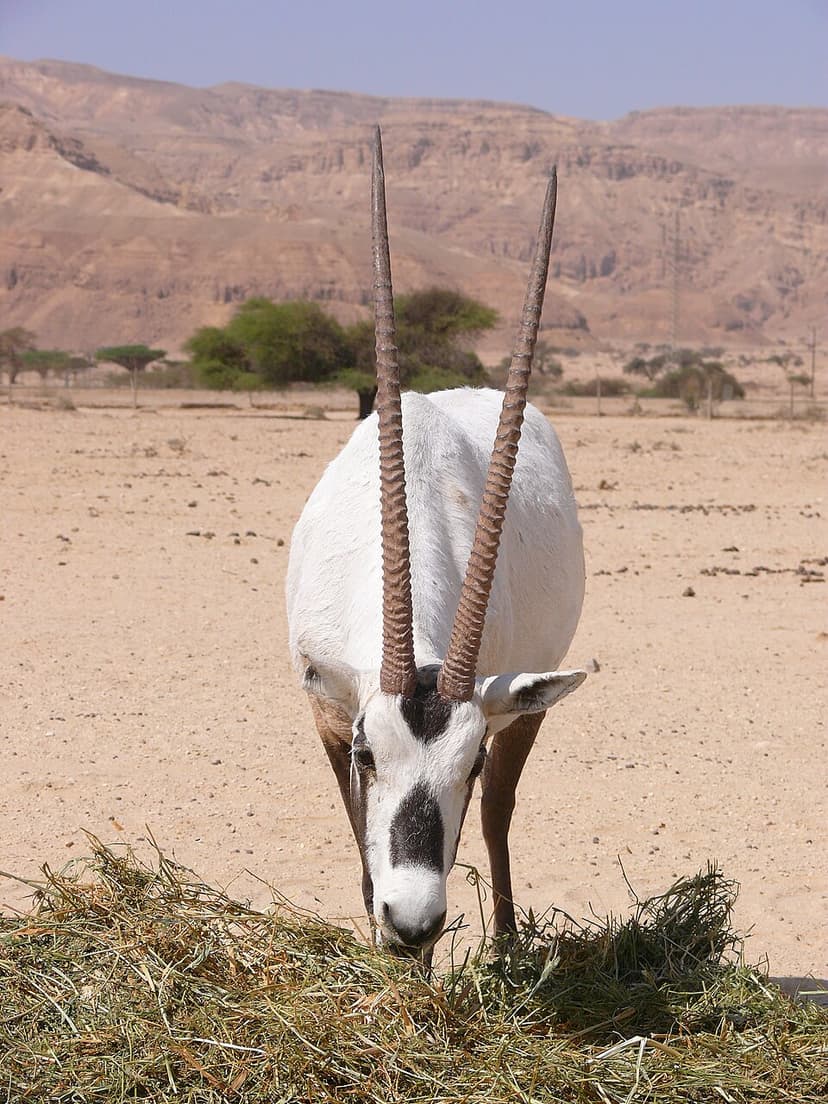
Yotvata Hai-Bar Nature Reserve
The Yotvata Hai-Bar Nature Reserve is a significant breeding and reacclimation center in Israel's Southern Arava, dedicated to reintroducing endangered and locally extinct animals, particularly those mentioned in the Bible, back into the wild. It serves as the desert counterpart to the Carmel Hai-Bar Nature Reserve and plays a crucial role in conservation efforts for desert wildlife.