
Yotvata Hai-Bar Nature Reserve
The Yotvata Hai-Bar Nature Reserve is a significant breeding and reacclimation center in Israel's Southern Arava, dedicated to reintroducing endangered and locally extinct animals, particularly those mentioned in the Bible, back into the wild. It serves as the desert counterpart to the Carmel Hai-Bar Nature Reserve and plays a crucial role in conservation efforts for desert wildlife.
Key Facts
- ›Spans 3,000 acres in the Southern Arava near Yotvata.
- ›Administered by the Israel Nature Reserves & National Parks Authority.
- ›Focuses on breeding and reintroducing endangered and locally extinct animals, many mentioned in the Bible.
- ›Has successfully reintroduced the Asian wild ass and Arabian oryx into the wild.
- ›Houses rare desert animals not native to Israel, such as the scimitar oryx and North African ostrich.
- ›Operates as the desert counterpart to the Carmel Hai-Bar Nature Reserve.
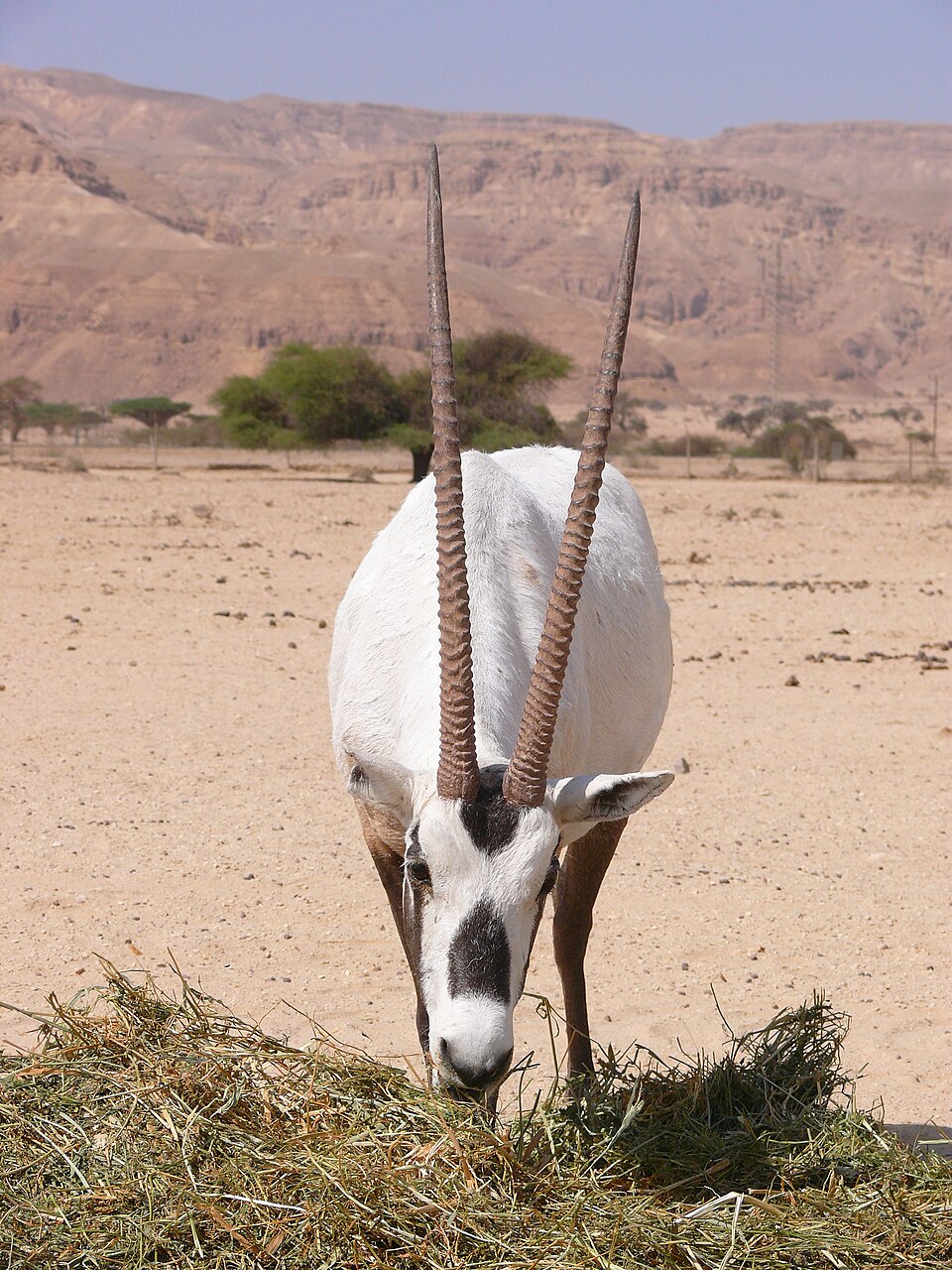
Asian Wild Ass, Arabian Oryx, Scimitar Oryx, North African Ostrich
- Reintroduction of endangered and locally extinct animals
- Breeding programs for desert wildlife
About Yotvata Hai-Bar Nature Reserve
The Yotvata Hai-Bar Nature Reserve is a significant breeding and reacclimation center situated in Israel's Southern Arava, near the settlement of Yotvata. Spanning 3,000 acres, this facility is administered by the Israel Nature Reserves & National Parks Authority and functions as the desert counterpart to the Carmel Hai-Bar Nature Reserve, which is located in the country's Northern Mediterranean forest.
Conservation and Reintroduction Efforts
The primary mission of the Yotvata Hai-Bar Nature Reserve is to breed endangered and locally extinct animal species, with a particular emphasis on those mentioned in the Bible, for the purpose of reintroduction into the wild. This initiative aims to restore populations of native wildlife to areas like the Negev desert. Notable successes include the reintroduction of the Asian wild ass into the Makhtesh Ramon area and the Arabian oryx back into the northern Arava.
Species Housed
In addition to species native to Israel, the reserve also houses rare desert animals that are not indigenous to the region. The collection of species bred and managed at Yotvata Hai-Bar is extensive, featuring animals such as the scimitar oryx, red-necked ostrich, addax, Somali wild ass, Dorcas gazelle, Arabian gazelle, griffon vulture, caracal, Arabian sand cat, Arabian leopard, South African cheetah, Arabian wolf, Nubian ibex, Persian leopard, and striped hyena.
Source: Wikipedia ↗
Frequently Asked Questions
What is the Yotvata Hai-Bar Nature Reserve?
The Yotvata Hai-Bar Nature Reserve is a 3,000-acre breeding and reacclimation center located in Israel's Southern Arava. It is managed by the Israel Nature Reserves & National Parks Authority and focuses on reintroducing endangered animals to the desert.
What is the main purpose of the Yotvata Hai-Bar Nature Reserve?
Its primary purpose is to breed endangered and locally extinct animals, many of which are mentioned in biblical texts, for potential reintroduction into the Negev desert. It also houses rare desert animals not originally native to Israel.
Which animals have been successfully reintroduced from Yotvata Hai-Bar?
The reserve has successfully facilitated the reintroduction of the Asian wild ass into the Makhtesh Ramon area. The Arabian oryx has also been reintroduced to the northern Arava region.
What are some of the notable species bred at Yotvata Hai-Bar?
Notable species bred at the reserve include the Arabian oryx, scimitar oryx, red-necked ostrich, addax, Asian wild ass, Somali wild ass, Dorcas gazelle, Arabian gazelle, griffon vulture, caracal, Arabian sand cat, Arabian leopard, South African cheetah, Arabian wolf, Nubian ibex, Persian leopard, and striped hyena.
Is Yotvata Hai-Bar the only Hai-Bar nature reserve in Israel?
No, the Yotvata Hai-Bar Nature Reserve is the desert counterpart to the Carmel Hai-Bar Nature Reserve. The Carmel reserve operates within the country's Northern Mediterranean forest, while Yotvata focuses on desert ecosystems.
Related Zoos

Carmel Hai-Bar Nature Reserve
The Carmel Hai-Bar Nature Reserve is a 1,500-acre breeding and acclimation center in the Carmel mountains of northwestern Israel. It is dedicated to breeding endangered and locally extinct animals for potential reintroduction into the wild, serving as the Mediterranean climate counterpart to the Yotvata Hai-Bar Nature Reserve.
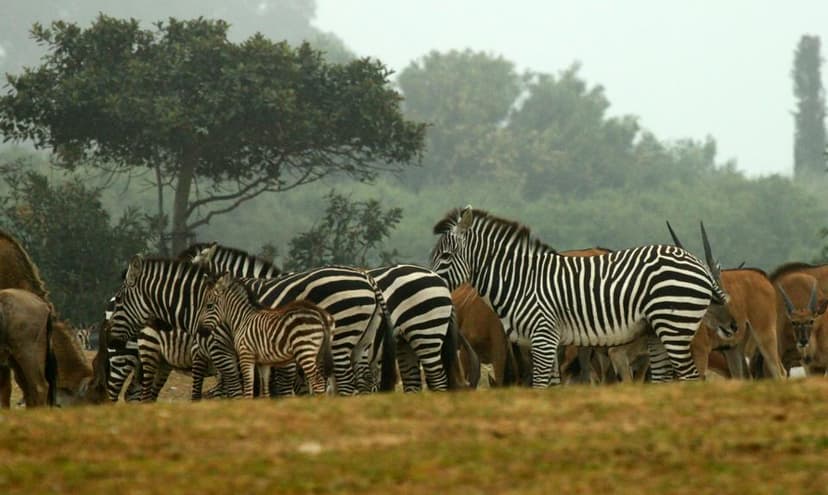
Ramat Gan Safari
The Zoological Center Tel Aviv-Ramat Gan, commonly known as Safari Ramat Gan, is the largest wildlife collection in human care in the Middle East. Established in 1981, it features a drive-through African safari and a modern outdoor zoo, attracting over 700,000 visitors annually. The center plays a significant role in conservation, participating in numerous endangered species breeding programs and operating the Israeli Wildlife Hospital.

Tisch Family Biblical Zoological Gardens
The Tisch Family Biblical Zoological Gardens, commonly known as the Jerusalem Biblical Zoo, is a renowned zoological park in Jerusalem. It is celebrated for its extensive collection of Afro-Asiatic wildlife, many species of which are referenced in the Hebrew Bible, and for its significant achievements in breeding endangered animals. The zoo has historically been a major tourist attraction in Israel, drawing hundreds of thousands of visitors annually.