
Tisch Family Biblical Zoological Gardens
The Tisch Family Biblical Zoological Gardens, commonly known as the Jerusalem Biblical Zoo, is a renowned zoological park in Jerusalem. It is celebrated for its extensive collection of Afro-Asiatic wildlife, many species of which are referenced in the Hebrew Bible, and for its significant achievements in breeding endangered animals. The zoo has historically been a major tourist attraction in Israel, drawing hundreds of thousands of visitors annually.
Key Facts
- ›Founded in September 1940 by Professor Aharon Shulov.
- ›Originally intended to house animals mentioned in the Bible, it expanded to include endangered species worldwide.
- ›Relocated multiple times before settling in its current 25-hectare (62-acre) location in Malha in 1993.
- ›As of 2009, it housed 2,200 animals representing 271 species.
- ›It was the most popular tourist attraction in Israel from 2005 to 2007.
- ›The zoo is a full member of the European Association of Zoos and Aquaria (EAZA) and the World Association of Zoos and Aquariums (WAZA).

Lemur Land, Wet Side Story Aquatic Exhibit, Children's Zoo
Asiatic Lions, Syrian Brown Bears, Persian Fallow Deer, Arabian Leopards, Asian Elephants, Golden Lion Tamarins
- Breeding of Persian Fallow Deer
- Protection of Negev Tortoise
- Captive Breeding Programme For Typhlocaris Galilea
- National Center for Artificial Incubation of Raptor Eggs
- Griffon Vulture Breeding and Research Program
- Elephant Artificial Insemination Program
About Tisch Family Biblical Zoological Gardens
The Tisch Family Biblical Zoological Gardens
The Tisch Family Biblical Zoological Gardens, widely known as the Jerusalem Biblical Zoo, is a significant zoological institution located in Jerusalem, Israel. Established in 1940 by Professor Aharon Shulov of the Hebrew University of Jerusalem, the zoo's initial vision was to house animals mentioned in the Hebrew Bible and serve as a research facility. Over time, its mission expanded to encompass the conservation of endangered species from both biblical and global contexts.
History and Development
The zoo's journey began in a small "animal corner" in downtown Jerusalem. Early challenges included the ambiguity of biblical animal names and the scarcity of certain species in Israel due to habitat destruction and other factors. This led to a strategic decision to broaden the collection to include endangered species from around the world. The zoo relocated several times, first to Shmuel HaNavi Street, then to Mount Scopus, and following the 1948 Arab–Israeli War, to a larger site in Romema.
During its time in Romema, the zoo became a beloved Jerusalem institution, attracting diverse segments of the population. It achieved notable success in breeding programs, reintroducing species like the Syrian brown bear and various fallow deer into Israeli nature reserves. Under the significant support of Jerusalem Mayor Teddy Kollek and a substantial donation from the Tisch family, the zoo underwent a major transformation, relocating to its current, expansive 25-hectare (62-acre) site in the Malha valley, opening in 1993.
Design and Exhibits
The modern Jerusalem Biblical Zoo is designed to simulate natural habitats, utilizing moats, trenches, and glass barriers instead of traditional cages. A distinctive feature is the two-story, boat-shaped visitor center resembling Noah's Ark, which houses educational facilities and a gift shop. The park is landscaped with native Israeli flora, many of which are also referenced in biblical texts. A motorized train provides a scenic route connecting the zoo's two main levels, and the entire park is accessible to visitors with disabilities.
Conservation and Education Focus
Conservation is a cornerstone of the zoo's mission. It actively participates in breeding programs for species threatened with extinction, such as the Persian fallow deer, blind cave shrimp, and various raptors. The zoo is recognized internationally for its advancements in reproductive intervention, including the first elephant conceived through artificial insemination in Israel. Public education is equally vital, with the zoo striving to raise awareness about wildlife and environmental issues through interactive exhibits, educational programs for school groups and youth movements, and a traveling outreach program known as the Zoomobile.
Research and Affiliations
The Tisch Family Biblical Zoological Gardens is a hub for research in zoology, biology, and environmental science, contributing to national and international projects. It supports research through the Aharon Shulov Fund for the Study of Animals in Captivity. The zoo holds full memberships in prominent international organizations such as the European Association of Zoos and Aquaria (EAZA) and the World Association of Zoos and Aquariums (WAZA), underscoring its commitment to global zoo standards and collaborative conservation efforts.
Source: Wikipedia ↗
Frequently Asked Questions
What is the history of the Jerusalem Biblical Zoo?
The zoo opened in September 1940 as a small 'animal corner' founded by Professor Aharon Shulov. It moved several times due to neighbor complaints and restricted access, eventually relocating to its current Malha site in 1993.
What is the main focus of the Jerusalem Biblical Zoo?
The zoo's primary goals are the conservation of endangered species, including those mentioned in the Bible that are extinct in Israel, and worldwide endangered species. It also focuses heavily on public education and environmental awareness.
What kind of animals can be found at the zoo?
The zoo features an Afro-Asiatic collection of wildlife, many of which are described in the Hebrew Bible, such as Asiatic lions and Syrian brown bears. It also houses endangered species from around the world, including Asian elephants and golden lion tamarins.
What are some notable features of the zoo's design?
The zoo is designed with natural habitats separated by trenches and moats, replacing traditional cages. A motorized train transports visitors between its two levels, and a visitor center shaped like Noah's Ark houses an auditorium and exhibits.
How does the zoo contribute to wildlife conservation?
The zoo actively breeds endangered species in captivity, with the goal of reintroducing them into the wild. It has successfully increased populations of species like the Persian fallow deer and participates in breeding programs for raptors and other animals.
What educational programs does the zoo offer?
The zoo provides extensive public education through school visits, after-school programs, and youth movements. It also operates a traveling workshop called the Zoomobile to bring animals and their sounds to various locations.
Related Zoos
Ramat Gan Safari
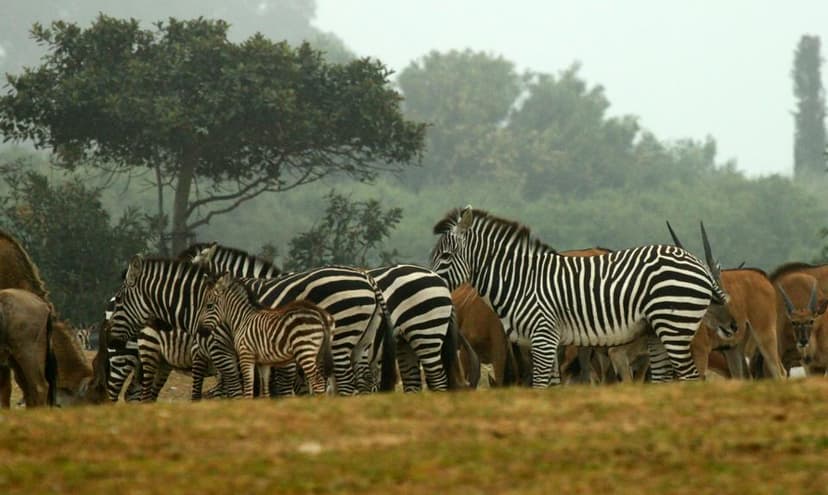
The Zoological Center Tel Aviv-Ramat Gan, commonly known as Safari Ramat Gan, is the largest wildlife collection in human care in the Middle East. Established in 1981, it features a drive-through African safari and a modern outdoor zoo, attracting over 700,000 visitors annually. The center plays a significant role in conservation, participating in numerous endangered species breeding programs and operating the Israeli Wildlife Hospital.

Carmel Hai-Bar Nature Reserve
The Carmel Hai-Bar Nature Reserve is a 1,500-acre breeding and acclimation center in the Carmel mountains of northwestern Israel. It is dedicated to breeding endangered and locally extinct animals for potential reintroduction into the wild, serving as the Mediterranean climate counterpart to the Yotvata Hai-Bar Nature Reserve.
Yotvata Hai-Bar Nature Reserve
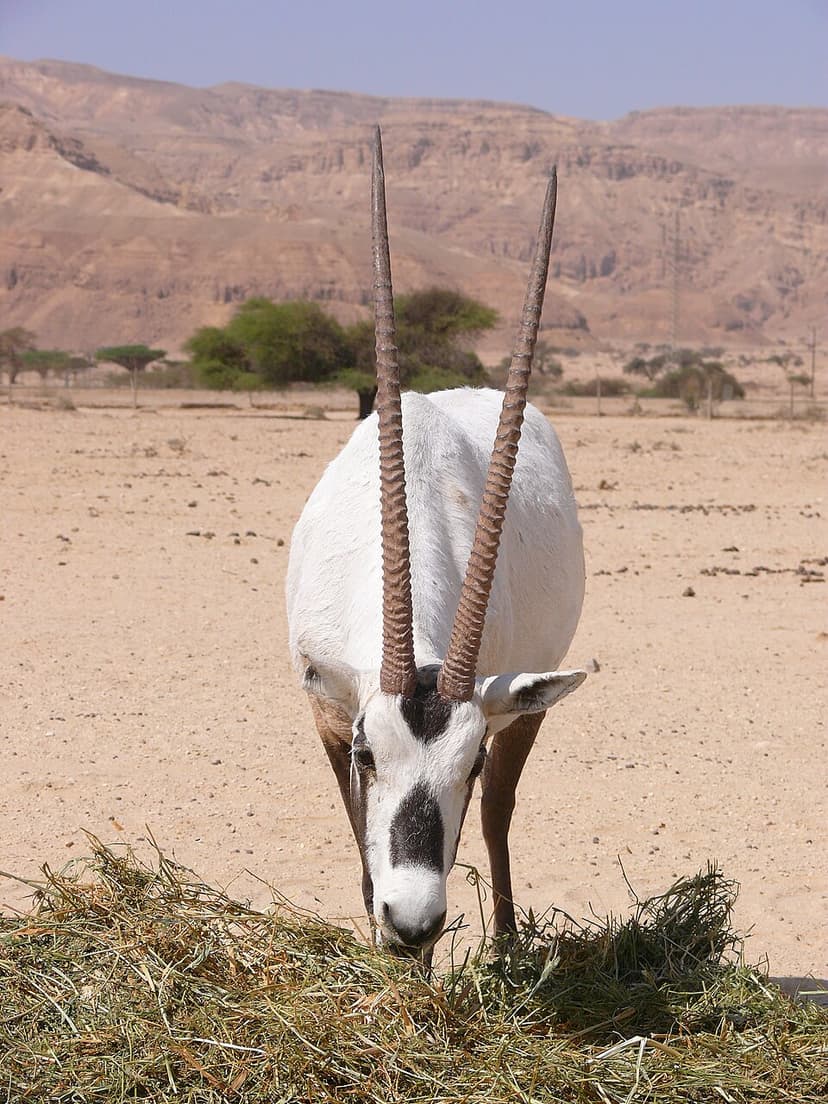
The Yotvata Hai-Bar Nature Reserve is a significant breeding and reacclimation center in Israel's Southern Arava, dedicated to reintroducing endangered and locally extinct animals, particularly those mentioned in the Bible, back into the wild. It serves as the desert counterpart to the Carmel Hai-Bar Nature Reserve and plays a crucial role in conservation efforts for desert wildlife.