
Skandinavisk Dyrepark
Skandinavisk Dyrepark, also known as the Scandinavian Wildlife Park, is a Danish zoo located in Djursland, Denmark, that focuses on wildlife native to Scandinavia. It gained international attention for its large enclosures for bears and wolves, as well as the birth of the polar bear cub Siku in 2011.
Key Facts
- ›Opened to the public in 1994, initially named Hjortenes verden (World of deer).
- ›Its name was later changed to Skandinavisk Dyrepark (Scandinavian Wildlife Park).
- ›Features some of the world's largest enclosures for polar bears, brown bears, and grey wolves.
- ›The polar bear enclosure covers 2.6 hectares (6.4 acres).
- ›Gained worldwide attention with the birth of polar bear Siku in 2011.

Polar Bear Enclosure, Brown Bear Enclosure, Grey Wolf Enclosure
Siku
About Skandinavisk Dyrepark
Skandinavisk Dyrepark, also known as the Scandinavian Wildlife Park, is a Danish zoological facility located in Djursland, within the Syddjurs Municipality of Denmark. Opened to the public in 1994, it initially operated under the name Hjortenes verden, meaning "World of deer," before adopting its current, more encompassing title. As its name clearly indicates, the park's central theme and focus is on showcasing and exhibiting wildlife species indigenous to the Scandinavian region.
Notable Features and Exhibits
The park has garnered international recognition for the significant scale of its animal enclosures. Specifically, the exhibits designed for polar bears, brown bears, and grey wolves are noted for being among the largest of their kind anywhere in the world. The polar bear enclosure alone spans 2.6 hectares (6.4 acres), the brown bear enclosure covers 2.5 hectares (6.2 acres), and the grey wolf habitat extends over 1.5 hectares (3.7 acres).
The Polar Bear Siku
Skandinavisk Dyrepark achieved widespread global attention in 2011 with the birth of a polar bear cub named Siku. Siku became a subject of international fascination after his mother was unable to produce sufficient milk, leading to park staff taking over his care. His popularity surged, with a YouTube video of him at just one month old attracting hundreds of thousands of views within 24 hours. He was internationally hailed as an online sensation, further amplified by his appearance on the official BBC website, drawing parallels to the attention received by the polar bear Knut at Berlin Zoo.
Source: Wikipedia ↗
Frequently Asked Questions
When did Skandinavisk Dyrepark open?
Skandinavisk Dyrepark first opened its doors to the public in 1994. It was initially known by the name Hjortenes verden, which translates to World of deer.
What is the main focus of Skandinavisk Dyrepark?
As its name suggests, the primary focus of Skandinavisk Dyrepark is on wildlife native to Scandinavia. The park aims to showcase animals found in the Scandinavian region.
What are some of the notable exhibits at Skandinavisk Dyrepark?
Skandinavisk Dyrepark is known for its exceptionally large enclosures for bears and wolves. The exhibits for polar bears, brown bears, and grey wolves are among the largest of their kind globally.
Why did the polar bear Siku gain international attention?
Siku, born in 2011, became an international sensation after his mother could not provide enough milk and he was cared for by park staff. A video of him at one month old went viral, drawing significant global attention.
Related Zoos
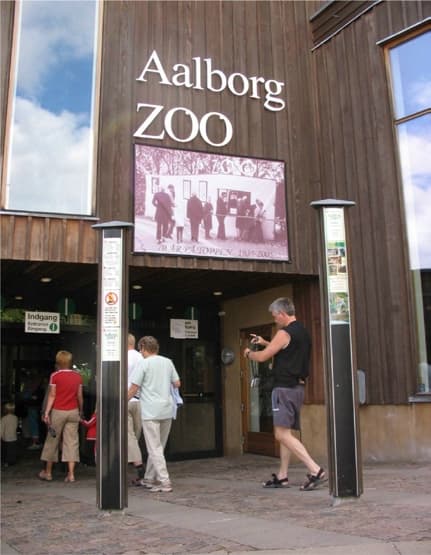
Aalborg Zoo
Aalborg Zoo is a zoological garden situated near the heart of Aalborg, Denmark, drawing approximately 375,000 visitors annually. It serves as a significant institution for animal conservation, actively participating in global breeding programs and environmental preservation projects, including supporting rainforest conservation in Ecuador.

Copenhagen Zoo
Copenhagen Zoo, established in 1859, is one of Europe's oldest zoological gardens. Located in Frederiksberg, Denmark, it spans 11 hectares and attracts over 1.3 million visitors annually, making it a significant Danish attraction. The zoo is notable for its modern enclosures, including a unique panda habitat designed by Bjarke Ingels Group and an elephant house by Norman Foster, and is a key participant in European breeding programs.

Crocodile Zoo
The Crocodile Zoo, located on the Danish island of Falster, is a specialized zoological park dedicated to crocodilians. Established in 2000, it holds the world's largest collection of these reptiles, featuring nearly all existing species and playing a significant role in their conservation and breeding programs.