
Tbilisi Zoo
Georgia·Urban Zoo·20th century
Tbilisi Zoological Park, established in 1927, is the oldest and largest zoo in Georgia, located in the Vere River valley in the capital city of Tbilisi. The zoo, which once housed over 1,000 animals and attracted more than 500,000 visitors annually, suffered significant damage and loss of life during a devastating flood in June 2015, which also led to several animals escaping into the city. Despite these challenges, the zoo has made efforts towards revival, including the opening of a marine aquarium.
Key Facts
- ›Founded in 1927 by decision of the Tbilisi City Council.
- ›Located in the Vere River valley in central Tbilisi.
- ›Previously occupied approximately 120 hectares with around 300 species.
- ›At its peak in the 1970s, housed over 1,000 animals and received over 500,000 visitors annually.
- ›A marine aquarium, the first in the Caucasus, was opened in 2007.
- ›Heavily impacted by a flood on June 14, 2015, resulting in loss of animals and damage.

Marine Aquarium
Hippopotamus, Lions, Tigers, Bears, Wolves
About Tbilisi Zoo
Tbilisi Zoological Park
Tbilisi Zoological Park, established in 1927, stands as the oldest and largest zoo in Georgia, situated in the Vere River valley within the nation's capital, Tbilisi. Designed by a collaborative team of Georgian and Russian specialists, the zoo initially comprised four distinct sections: Caucasian or Local fauna, Fauna of the USSR, Exotic animals, and Agricultural animals. Its early expansion in the 1930s contributed to its growth.
Historical Development and Challenges
By the 1970s, Tbilisi Zoo had reached its zenith, boasting over 1,000 animals and attracting more than 500,000 visitors annually. However, the zoo faced severe decline in the 1990s amidst the economic collapse and political instability of post-Soviet Georgia. A significant portion of its funding was cut, leading to dire conditions; by 1993, reports indicated that more than half of the animals had perished from starvation or cold.
A period of modest revival began in the late 2000s with the opening of a marine aquarium in 2007, the first of its kind in the Caucasus. The zoo is managed by the Tbilisi City Hall and relies heavily on its budget. Plans were made to relocate the zoo to a new zoological and recreation complex east of Tbilisi, but funding limitations delayed this project.
The 2015 Flood
On June 14, 2015, the Vere River overflowed its banks, causing a catastrophic flood that devastated the zoo. The disaster resulted in the deaths of nearly half of the zoo's inhabitants and the escape of numerous animals, including a hippopotamus, lions, tigers, bears, and wolves, into the city of Tbilisi. Emergency forces managed to recapture some animals, while others were shot. The flood also tragically claimed the lives of three zoo employees who resided on-site. The current director of Tbilisi Zoo is Zurab Gurielidze.
Notable Features
Prior to the 2015 flood, the zoo occupied an area of approximately 120 hectares and housed around 300 species. For nearly fifty years, until 2013, a unique attraction was a photo studio where children could pose on papier-mâché horses. The addition of the marine aquarium in 2007 also represented a significant enhancement to its facilities.
Source: Wikipedia ↗
Frequently Asked Questions
When was Tbilisi Zoo founded?
Tbilisi Zoo was officially established on February 10, 1927, by a decision of the Tbilisi City Council. Its design was a collaborative effort by Georgian and Russian specialists.
What happened during the June 2015 flood at Tbilisi Zoo?
On June 14, 2015, a severe flood of the Vere River inundated the zoo. This event resulted in the deaths of many animals, while several others, including large predators and a hippopotamus, escaped into the city streets. The flood also tragically claimed the lives of three keepers who resided on-site.
What was the condition of the zoo in the 1990s?
Following the economic collapse and political unrest in post-Soviet Georgia, the zoo experienced a period of decline in the 1990s. Funding was significantly reduced, leading to a severe lack of resources. Reports from 1993 indicated that over half the animals had died due to starvation or cold.
Has Tbilisi Zoo always been in its current location?
While the zoo has been in its current location in the Vere River valley for a long time, there were plans to relocate it to a larger zoological and recreation complex near the Tbilisi Sea on the city's eastern outskirts. However, due to funding issues, these relocation plans were delayed and ultimately not realized before the 2015 flood.
What notable attractions did the zoo have in the past?
For nearly fifty years, until 2013, the zoo featured a unique photo studio run by photographer Victor Sukiasov. This studio offered children the opportunity to sit on papier-mâché horses for pictures.
When was the marine aquarium at Tbilisi Zoo opened?
A marine aquarium was opened at the Tbilisi Zoo in 2007. This marked a significant addition, being the first such establishment in the Caucasus region.
Related Zoos

Aquazoo Löbbecke Museum
The Aquazoo Löbbecke Museum in Düsseldorf is a unique institution that combines a zoo, natural history museum, and aquarium. Opened in 1987, it houses approximately 500 animal species and 1,400 natural history exhibits, making it Düsseldorf's most visited cultural attraction.

Audubon Zoo
Audubon Zoo, located in New Orleans, Louisiana, is a significant zoological park and a part of the Audubon Nature Institute. It is renowned for its diverse animal collections, engaging exhibits like the "Jaguar Jungle" and "African Savanna," and its historical presence dating back to the 1884 World's Fair. The zoo plays a vital role in conservation and education, serving as a popular destination for both locals and tourists.
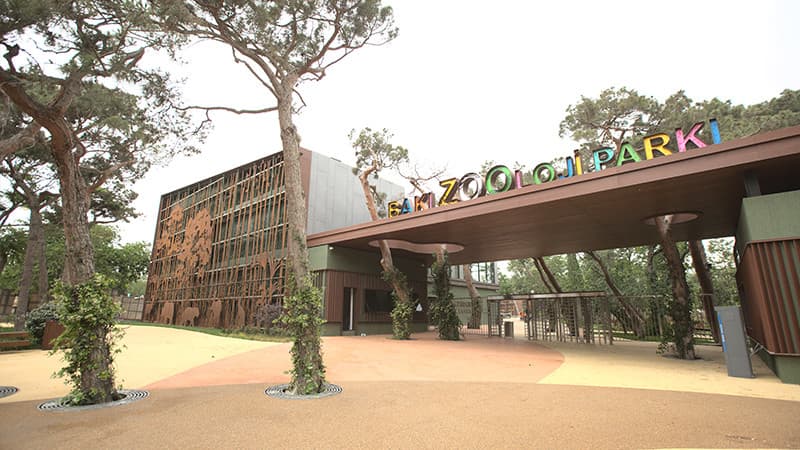
Baku Zoo
Baku Zoo, officially Baku Zoological Park, is a 10.5-acre zoological institution located in the Narimanov district of Baku, Azerbaijan. It houses over 125 species of animals and plays a role as an educational, research, and conservation center, particularly focusing on the rare fauna of Azerbaijan.