
Baku Zoo
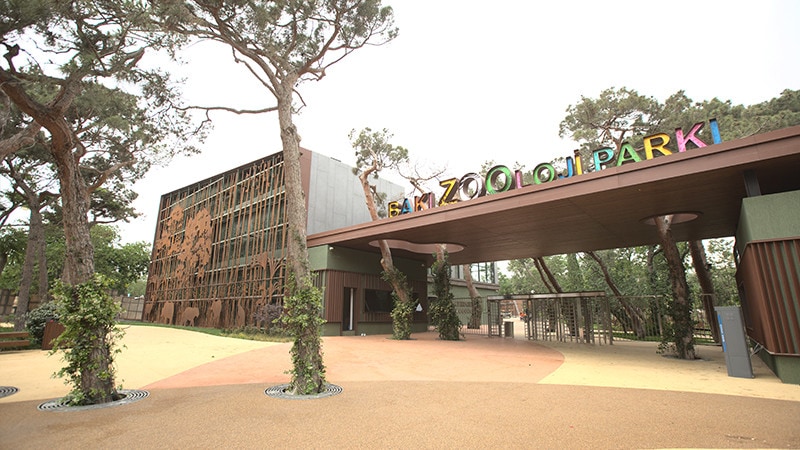
Baku Zoo, officially Baku Zoological Park, is a 10.5-acre zoological institution located in the Narimanov district of Baku, Azerbaijan. It houses over 125 species of animals and plays a role as an educational, research, and conservation center, particularly focusing on the rare fauna of Azerbaijan.
Key Facts
- ›Located in the Narimanov district of Baku, Azerbaijan.
- ›Covers a total area of 4.25 hectares (approximately 10.5 acres).
- ›Currently houses over 125 species of animals.
- ›Founded in 1928 as a small zoo corner, officially established as Zoological Park in 1942.
- ›Underwent major renovations completed in 2021, significantly improving animal enclosures and visitor facilities.
- ›Aims to be an educational, research, and conservation center, focusing on Azerbaijan's rare fauna.
Aviaries, Aquaterrarium, Reptile Terrariums, Large-Scale Aquariums
Amur Tiger, African Lion, Leopard, Jaguar, Zebra, Bison, Brown Bear, Chital, Red Deer, Alpaca, Llama, Kangaroo, Maned Sheep, Wolf, Fox, Flamingo, Pelican, Golden Eagle, White-Headed Vulture, Griffon Vulture, Osprey, White-Tailed Eagle, Eagle-Owl, Macaw, Cockatoo, Grey Parrot, Rosella, Amazon Parrot, Pheasants, Peacocks, Western Swamphen, Japanese Crane, Nile Crocodiles, Pythons, Anacondas, Iguanas
- Breeding programs for species listed in the 'Red Book' of Azerbaijan
- Reintroduction of native species
About Baku Zoo
Baku Zoo, officially the Baku Zoological Park (Azerbaijani: Bakı Zooloji Parkı), is a zoological institution situated in the Narimanov district of Baku, the capital city of Azerbaijan. Established initially as a small zoo corner in 1928 and officially founded as a Zoological Park in 1942, it has evolved significantly over the decades. The zoo currently occupies an area of 4.25 hectares (approximately 10.5 acres) and is home to over 125 species of animals.
History and Development
The history of Baku Zoo dates back to 1928, when it began as a modest collection within a park. By 1942, it was formally established as a zoological park. For many years, it operated on a smaller site before relocating and expanding. In 2001, its area was further increased, and a comprehensive renovation project commenced in 2017. This extensive reconstruction concluded with the zoo's reopening on October 7, 2021, revealing a significantly modernized facility.
Modernization and Facilities
The 2021 renovation brought about substantial improvements, transforming Baku Zoo into a more visitor-friendly and animal-welfare-focused institution. The project included the creation of more spacious and naturalistic aviaries, an aquaterrarium, a petting zoo, an artificial lake, and pools. Special attention was paid to preserving existing greenery, resulting in an enhanced natural landscape and an increase in the zoo's green area. The complex now features amenities such as playgrounds, a lecture hall, and electronic information stands, aiming to be a place of recreation and education for all visitors, including those with disabilities.
Mission and Conservation Focus
Baku Zoo's mission has been redefined to position it as an educational, research, and conservation center. A key objective is to educate the public about the natural world, with a particular emphasis on the rare fauna of Azerbaijan. The zoo is committed to wildlife protection and animal welfare, creating conditions conducive to the natural breeding of its inhabitants. It actively participates in breeding programs for species listed in the "Red Book" of Azerbaijan, aiming for their reintroduction into the wild. In line with its conservation ethos, Baku Zoo generally refrains from acquiring new animals, prioritizing the care of rescued or illegally kept wild animals.
Animal Collection
The zoo houses a diverse collection of animals, including mammals such as Amur tigers, African lions, leopards, jaguars, zebras, bison, brown bears, chital, red deer, alpacas, llamas, kangaroos, wolves, and various monkey species. Its avian collection features waterfowl like flamingos and pelicans, birds of prey including eagles and vultures, and exotic birds such as macaws and parrots. Reptiles like crocodiles and iguanas, along with various fish and turtles, are also part of the zoo's exhibits. Notably, 22 of the species housed at Baku Zoo are listed in the Red Book of Azerbaijan.
Source: Wikipedia ↗
Frequently Asked Questions
When was Baku Zoo established?
Baku Zoo originated as a small zoo corner in 1928. It was officially established as the Zoological Park on January 2, 1942. The zoo has seen expansions and renovations throughout its history, with a significant upgrade and reopening in October 2021.
What is the size of Baku Zoo?
Baku Zoo currently occupies an area of 4.25 hectares, which is approximately 10.5 acres. This area was increased significantly during its major renovation, which began in 2017 and concluded with its reopening in 2021.
How many animals and species are at Baku Zoo?
Baku Zoo is home to over 125 species of animals. Among these, 22 species are listed in the Red Book of Azerbaijan, indicating their conservation status.
What are the main goals of Baku Zoo after its renovation?
Following its extensive renovation, Baku Zoo's primary mission is to serve as an educational, research, and conservation center. It aims to educate visitors about the natural world, with a special emphasis on the rare fauna of Azerbaijan, and to support conservation efforts.
What conservation efforts does Baku Zoo undertake?
Baku Zoo focuses on creating proper conditions for the natural increase of animal populations and the reintroduction of species listed in Azerbaijan's 'Red Book.' It prioritizes animal welfare and wildlife protection, generally not acquiring new animals unless they are illegally kept or rescued.
What facilities were added or improved during the renovation?
The major reconstruction of Baku Zoo resulted in more pleasant aviaries, an aquaterrarium, a petting zoo, an artificial lake, pools, and a veterinary clinic. The aviaries were expanded and designed to meet the specific needs of each species, creating a more naturalistic environment.
Related Zoos

Audubon Zoo
Audubon Zoo, located in New Orleans, Louisiana, is a significant zoological park and a part of the Audubon Nature Institute. It is renowned for its diverse animal collections, engaging exhibits like the "Jaguar Jungle" and "African Savanna," and its historical presence dating back to the 1884 World's Fair. The zoo plays a vital role in conservation and education, serving as a popular destination for both locals and tourists.

Beijing Zoo
Beijing Zoo, founded in 1906, is the oldest zoo in China and a significant zoological research center. It is renowned for its extensive collection of rare Chinese endemic species, particularly its giant pandas, and boasts one of the largest animal collections in the country, attracting over five million visitors annually.
Bratislava Zoo
Bratislava Zoo, opened in 1960, is the second oldest zoo in Slovakia and is located in the Mlynská dolina area of Bratislava. It is an independent organization of the city, focusing on breeding and conservation of endangered species, scientific research, public education, and recreation, attracting around 300,000 visitors annually.