
Wagga Wagga
Wagga Wagga is a major regional city in New South Wales, Australia, situated along the Murrumbidgee River. It serves as a vital agricultural, military, and transport hub, strategically located between Sydney and Melbourne. The city is notable for its historical significance, including being a contender for Australia's capital and its role in military recruitment and development.
Key Facts
- ›Wagga Wagga is a major regional city in the Riverina region of New South Wales, Australia.
- ›It is located midway between Sydney and Melbourne, making it a significant transport hub.
- ›The city's history includes being a contender for Australia's national capital and a starting point for the Kangaroo recruitment march during WWI.
- ›Wagga Wagga became a garrison town during World War II with the establishment of military bases.
- ›It was proclaimed a city in 1946 and later amalgamated with neighbouring shires to form the City of Wagga Wagga local government area.
- ›The city experiences a temperate climate with hot dry summers and cool to cold winters.

Crows
About Wagga Wagga
Wagga Wagga is a prominent regional city located in the Riverina region of New South Wales, Australia. Situated along the Murrumbidgee River, it functions as a crucial nexus for agriculture, military operations, and transportation within Australia. Its strategic position, roughly equidistant between Sydney and Melbourne, solidifies its role as a major regional center for the Riverina and South West Slopes areas.
History and Development
The area was originally inhabited by the Wiradjuri people, with European exploration commencing in 1829. The settlement was surveyed and officially gazetted as a village in 1849, experiencing rapid growth thereafter. By 1870, it was incorporated as a municipality. During the formative years of Australian federation, Wagga Wagga was considered as a potential site for the nation's capital, highlighting its perceived importance. The city played a role in World War I as the starting point for the "Kangaroo March" recruitment drive. The hardships of the Great Depression spurred a secession movement for the Riverina region, with Wagga Wagga at its center. During World War II, it became a garrison town with the establishment of significant military bases, and was proclaimed a city in 1946.
Geography and Environment
Wagga Wagga lies in an alluvial valley, which contributes to its geographical challenges, particularly urban salinity and waterlogged soil. The city is protected from potential flooding by a levee along the Murrumbidgee River. Its climate is temperate, featuring hot, dry summers and cool to cold winters, with four distinct seasons.
Cultural and Civic Symbols
Crows are a significant symbol for Wagga Wagga, appearing in its civic emblems and local branding. This association stems from a debated interpretation of the Wiradjuri name meaning 'place of many crows.' While this meaning has been updated by the City Council to 'dance and celebrations,' crows remain an enduring civic symbol.
Economy and Infrastructure
As a major regional hub, Wagga Wagga provides essential services in education and health to its surrounding areas. Its location on key transport routes makes it an important depot for heavy trucking companies. The city has developed industrial areas and has seen continuous residential growth, particularly to the south of its central business district.
Source: Wikipedia ↗
Frequently Asked Questions
What is the meaning of the name Wagga Wagga?
The name 'Wagga Wagga' is believed to be derived from the Wiradjuri language. While historically thought to mean 'place of many crows', the City of Wagga Wagga Council adopted a new interpretation in 2019, meaning 'dance and celebrations'.
What is Wagga Wagga's geographical significance?
Wagga Wagga is strategically located in the Riverina region, straddling the Murrumbidgee River and positioned midway between Australia's largest cities, Sydney and Melbourne. It is a key regional centre for services and transport in its area.
What is Wagga Wagga's climate like?
Wagga Wagga has a temperate climate characterized by hot, dry summers and cool to cold winters. It experiences four distinct seasons annually.
What historical events are significant to Wagga Wagga's development?
Key historical moments include European exploration in 1829, its gazetting as a village in 1849 and municipality in 1870, its consideration as a national capital site, its role in WWI recruitment marches, and its development into a garrison town during WWII.
What are the main geographical challenges faced by Wagga Wagga?
The city is situated in an alluvial valley which contributes to problems with urban salinity and waterlogged soil. This issue is being addressed through a multi-pronged approach by the council.
Related Zoos
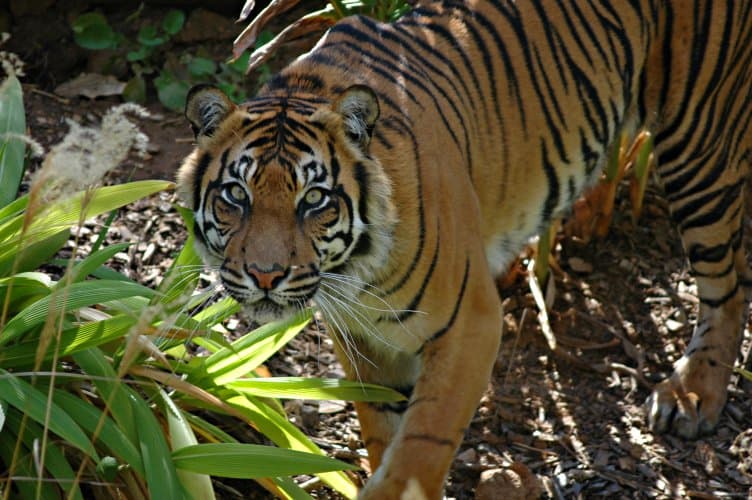
Adelaide Zoo
Adelaide Zoo, established in 1883, is Australia's second-oldest zoo and operates on a non-profit basis. Situated north of Adelaide's city center, it is managed by the Royal Zoological Society of South Australia and is a key institution for wildlife conservation and public education in the region.

Cairns
Cairns is a major regional city located on the tropical northeast coast of Far North Queensland, Australia. Founded in 1876, it has grown from a gold-mining port to a significant international tourism hub, renowned for its proximity to two UNESCO World Heritage sites: the Great Barrier Reef and the Daintree Rainforest. The city's economy is largely driven by tourism, alongside healthcare, education, and marine industries.

Country Life Farm
Dunsborough is a popular coastal tourist destination in Western Australia, situated on the shores of Geographe Bay and serving as a gateway to the Margaret River Wine Region. It is recognized for its beaches, proximity to natural attractions, and vibrant local culture, attracting both families and annual school leavers.