
Waterford
Waterford is a historic city in Ireland, recognized as the country's oldest and a significant Viking settlement. It is renowned for its well-preserved medieval walls and its legacy in the glassmaking industry, particularly Waterford Crystal. The city continues to be a vibrant cultural center with a rich maritime history and a strong sense of identity.
Key Facts
- ›Founded as a Viking settlement in 853 AD.
- ›Retains more of its original city walls than any other Irish city except Derry.
- ›Known for the production of Waterford Crystal, a glassmaking industry dating back to 1783.
- ›Historically held the motto 'Urbs Intacta Manet' ('the Untaken City') after repelling sieges.
- ›The fifth most populous city in the Republic of Ireland, with a 2022 population of 60,079.
- ›Located at the head of Waterford Harbour, a significant trading port for over a millennium.
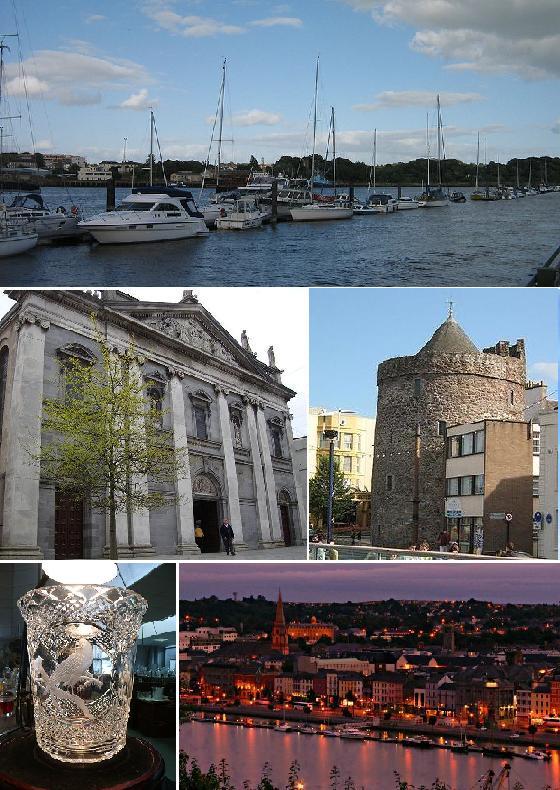
Reginald's Tower, Waterford City Walls, Waterford Crystal Visitor Centre
About Waterford
Waterford is a significant city in County Waterford, located in the south-east of Ireland within the province of Munster. It holds the distinction of being the oldest and the fifth most populous city in the Republic of Ireland, with a recorded population of 60,079 in 2022. Historically, Waterford began as a Viking settlement and is notable for its well-preserved medieval defensive walls and fortifications, including Reginald's Tower, which dates to the 13th or 14th century. The city's resilience earned it the motto Urbs Intacta Manet ('The Untaken City') after successfully repelling a 15th-century siege.
History and Legacy
The name 'Waterford' derives from Old Norse, while its Irish name, Port Láirge, means 'Lárag's port'. Viking raiders first established a settlement in 853, and they re-established themselves in 914, building what became Ireland's first city. Following the Anglo-Norman invasion, the city was captured in 1170 and declared a royal city by King Henry II. Throughout the medieval period, Waterford was Ireland's second-largest city after Dublin. It remained a predominantly Catholic city after the Protestant Reformation and played a role in the Confederation of Kilkenny. The 18th century was a period of considerable prosperity, marked by the construction of many notable buildings and the establishment of a permanent military presence. The 19th century saw the thriving of industries such as glassmaking and shipbuilding.
Cultural and Economic Significance
Waterford is globally recognized for its glassmaking industry, with Waterford Crystal being a prominent name. Decorative glass has been manufactured in the city since 1783, although the original factory closed in 2009, production resumed under new ownership in 2010. The city boasts a vibrant cultural scene with various arts companies, festivals, and public libraries. The Waterford Museum of Treasures, located in the Viking Triangle, showcases the city's rich history. Waterford Port remains one of Ireland's major ports, contributing significantly to the country's external trade. The city's economy has historically been boosted by trade and industries like glassmaking and shipbuilding.
Source: Wikipedia ↗
Frequently Asked Questions
When was Waterford founded?
Waterford was first established as a settlement by Viking raiders in 853 AD. The Vikings re-established themselves in Ireland at Waterford in 914, building what would become Ireland's first city.
What is Waterford most famous for?
Waterford is most famous for its historical significance as Ireland's oldest city and a former Viking settlement, its well-preserved medieval walls, and its legacy in the glassmaking industry, particularly Waterford Crystal.
What is the meaning of Waterford's Irish name?
The Irish name for Waterford is Port Láirge, which translates to 'Lárag's port'. The English name 'Waterford' originates from Old Norse 'Veðrafjǫrðr', meaning 'ram fjord'.
What historical structures can be seen in Waterford?
Key historical structures include Reginald's Tower, built in the 13th or 14th century, which is one of the oldest urban civic buildings in Ireland and retains its Viking name. The city also retains significant portions of its medieval defensive walls.
What is the motto of Waterford and its origin?
Waterford's motto is 'Urbs Intacta Manet Waterfordia', meaning 'Waterford remains an untouched city'. This motto was granted by King Henry VII after the city repelled sieges by two pretenders to the English throne in the 15th century.
When did the Waterford Crystal factory close and reopen?
The original Waterford Crystal factory manufactured glass in the city from 1783 until early 2009 when it closed following the receivership of Waterford Wedgwood plc. A new Waterford Crystal visitor centre opened in 2010 under new ownership and resumed production.
Related Zoos

Wexford
Wexford is the historic county town of County Wexford, located on the south side of Wexford Harbour in southeastern Ireland. Founded by Vikings around 800 AD, it has a rich history as a Viking settlement, an Old English town, and a center of significant historical events including the 1798 rebellion. Today, Wexford is known for its cultural offerings, particularly the Wexford Opera Festival, and its role as a modern administrative and economic hub.
Achill
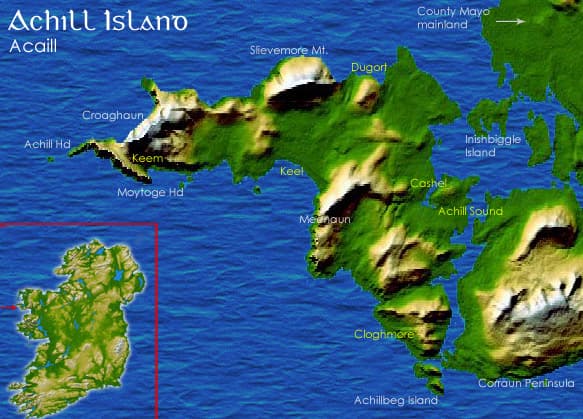
Achill Island is the largest of Ireland's islands, situated off the west coast of County Mayo. It is a historically rich area with evidence of settlement dating back to the Neolithic period, and it played a significant role in various historical events, including the O'Malley clan's maritime influence and the controversial Achill Mission.

Dingle
Dingle is a historic town located on the Atlantic coast of County Kerry in the southwest of Ireland. Known for its tourism, fishing, and agriculture, it is the only town on the Dingle Peninsula and sits within a Gaeltacht region. Historically a significant trading port and a departure point for pilgrims, Dingle's identity has also been shaped by debates over its official name, balancing its English heritage with its Irish language roots.