
Addax
Artiodactyla·Herbivore·Herds of five to 20 members, usually led by one dominant male.·Critically Endangered
The addax, also known as the white antelope or screwhorn antelope, is a critically endangered antelope native to the Sahara Desert. It is distinguished by its long, spiraling horns and a coat that changes from greyish-brown in winter to nearly white in summer, providing camouflage and thermoregulation. Historically found across North Africa and the Arabian Peninsula, the addax now survives in very limited wild populations, primarily in Niger, Chad, and Mauritania.
Key Facts
- ›The addax has distinctive spiral horns that can reach up to 85 cm in males and 80 cm in females.
- ›Its coat color shifts seasonally, being greyish-brown in winter and almost white or sandy blonde in summer.
- ›Addax are highly adapted to arid desert life, able to survive for extended periods without drinking water.
- ›These antelopes typically form herds of five to 20 individuals, usually led by a dominant male.
- ›Once widespread, the addax is now critically endangered due to overhunting and habitat loss.

White Antelope, Screwhorn Antelope
Arid Regions, Semideserts, Sandy Deserts, Stony Deserts
North Africa, Sahara
- Coat Is Greyish-Brown With White Hindquarters and Legs In Winter; Turns Almost Completely White Or Sandy Blonde In Summer.
- Possesses Spiral Horns That Are 55 To 80 cm Long In Females and 70 To 85 cm Long In Males.
- Males Stand 105 To 115 cm At the Shoulder, Females 95 To 110 cm.
- Males Weigh 100 To 125 kg; Females Weigh 60 To 90 kg.
- Head Marked With Brown Or Black Facial Markings Forming An 'X' Over the Nose.
- Has Scraggly Beards and Prominent Red Nostrils.
- Broad Hooves With Flat Soles and Strong Dewclaws For Walking On Sand.
- All Four Feet Possess Scent Glands.
Grasses, Leaves of Shrubs, Leguminous Herbs, Bushes, Perennials, Acacia Tree Leaves, Seeds
Humans, Lions, Leopards, Cheetahs, African Wild Dogs, Caracals, Servals, Hyenas
About Addax
The Addax: A Desert Survivor on the Brink
The addax (Addax nasomaculatus), also known as the white antelope or screwhorn antelope, is a species of antelope native to the Sahara Desert. It is the sole member of the genus Addax and is distinguished by its remarkable spiral horns, which are longer in males than in females, and a coat that changes color seasonally for camouflage and thermoregulation. In winter, its coat is greyish-brown with white hindquarters and legs, transitioning to an almost completely white or sandy blonde hue in the summer heat.
Habitat and Adaptations
Addax inhabit arid regions, semideserts, and sandy and stony deserts, capable of surviving in areas with less than 100 mm of annual rainfall. They are exceptionally adapted to desert life, able to endure long periods without drinking water by deriving moisture from their diet and dew. Scientists believe they possess adaptations in their stomach for water storage and produce highly concentrated urine to conserve this vital resource. Their pale coat reflects radiant heat, and their physical structure aids in thermoregulation.
Diet and Social Behavior
Primarily grazers, addax feed on various grasses, leaves from shrubs and bushes, and leguminous herbs. They are known to crop grasses neatly and consume tender inner shoots and seeds, which are a key source of protein. Addax typically form herds of five to 20 individuals, consisting of both sexes, and are usually led by a dominant male. While generally not aggressive, they may charge if disturbed.
History and Conservation Status
Historically, the addax was widespread across North Africa and the Arabian Peninsula. Fossil evidence suggests their presence in Egypt dating back thousands of years, and ancient Egyptian art depicts them in a state of partial domestication. However, due to unregulated hunting and habitat destruction, their populations have drastically declined. The addax is now listed as critically endangered on the IUCN Red List, with only small, self-sustaining wild populations remaining in Niger, Chad, and Mauritania. Reintroduction programs are underway in several North African countries in an effort to bolster their numbers and ensure their survival.
Source: Wikipedia ↗
Frequently Asked Questions
What are the common names for the Addax?
The addax is also commonly known as the white antelope and the screwhorn antelope. In Arabic, it is referred to as 'bakr al wahsh,' which translates to 'the cow of the wild.'
What does the Addax eat?
The addax is primarily a grazer, feeding on grasses such as Aristida, Panicum, and Stipagrostis. It also consumes leaves from shrubs, leguminous herbs, and bushes, and will eat perennial plants that sprout after rain. Seeds are a significant part of its diet, providing essential protein.
What adaptations allow the Addax to survive in the desert?
The addax is remarkably suited to extreme desert conditions. It can survive indefinitely without free water, obtaining moisture from its food and dew. Its pale summer coat reflects heat, and it conserves water through highly concentrated urine and efficient food processing.
What is the Addax's social structure?
Addax typically live in herds ranging from five to 20 members, comprising both males and females. These herds are generally led by a single dominant male, with females establishing their own dominance hierarchies.
What are the main threats to the Addax population?
The primary threat to the addax has been unregulated hunting, as they are slow-moving and easy targets. Habitat destruction due to human settlements and agriculture, along with chronic droughts, also contribute to their decline.
Where can the Addax be found today?
Historically found across North Africa and the Arabian Peninsula, the addax is now restricted to very small wild populations, primarily in Niger, Chad, and Mauritania. It has been reintroduced into some areas of Morocco and Tunisia.
Related Artiodactyl species
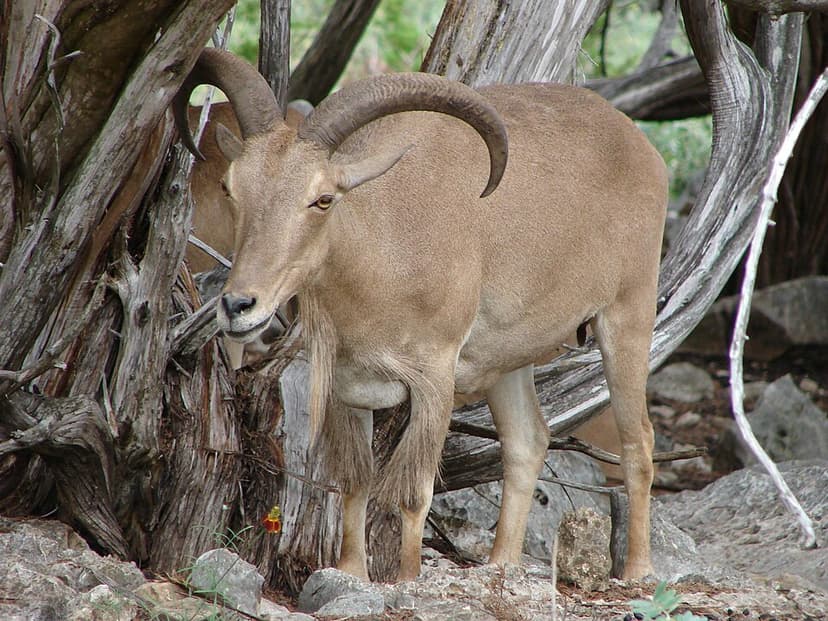
Ammotragus
The Barbary sheep, scientifically named Ammotragus lervia and also known as aoudad, is a species of caprine native to the rocky mountains of North Africa and parts of West Africa. Characterized by its sandy-brown coat, shaggy throat hair, and distinctive curved horns, it is well-adapted to arid, mountainous terrain. Despite being rare in its native range due to hunting and habitat destruction, it has been successfully introduced to other continents as a game species.
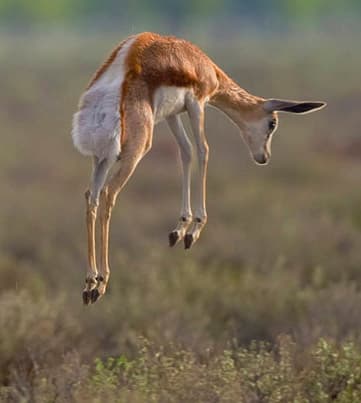
Antidorcas
Antidorcas is a genus of antelope that includes the living springbok and several extinct species. Primarily known for the springbok, this genus is part of the Antilopini tribe and has been studied for its phylogenetic relationships with other antelopes.

Antilope
Antilope is a genus of bovids characterized by twisted horns, currently comprising a single living species, the blackbuck, native to South Asia. Historically, the genus included numerous fossil species, many of which have since been reclassified into their own distinct genera.