
Antilope
Artiodactyla·Herbivore·Antilope
Antilope is a genus of bovids characterized by twisted horns, currently comprising a single living species, the blackbuck, native to South Asia. Historically, the genus included numerous fossil species, many of which have since been reclassified into their own distinct genera.
Key Facts
- ›Antilope is a genus of bovid with twisted horns.
- ›It contains one living species: the blackbuck.
- ›The blackbuck is found in South Asia.
- ›The genus historically encompassed several extinct species.
- ›Some fossil species previously in Antilope are now in new genera, like Nisidorcas.

Blackbuck
South Asia
Possesses Twisted Horns.
About Antilope
The genus Antilope is a classification within the bovid family, distinguished by members possessing twisted horns. It is most notably recognized for containing a single extant species: the blackbuck.
Distribution and Species
The blackbuck, the sole living representative of the Antilope genus, is indigenous to the Indian subcontinent, primarily found in South Asia. Historically, the genus was broader, encompassing several extinct species. Scientific reclassification over time has led to many of these fossil species being placed into new, distinct genera, such as Nisidorcas, which now houses the species formerly known as Antilope planicornis.
Source: Wikipedia ↗
Frequently Asked Questions
What kind of animals are in the Antilope genus?
The Antilope genus belongs to the bovid family, which includes cattle, sheep, goats, and antelopes. Animals in this genus are known for their distinctive twisted horns.
How many living species are in the Antilope genus?
There is only one living species currently recognized within the Antilope genus, which is the blackbuck.
Where is the blackbuck found?
The blackbuck, the sole living species in the Antilope genus, is native to South Asia.
Were there other species in the Antilope genus historically?
Yes, the Antilope genus historically included many fossil species. However, many of these have since been moved to new, separate genera.
Related Artiodactyl species
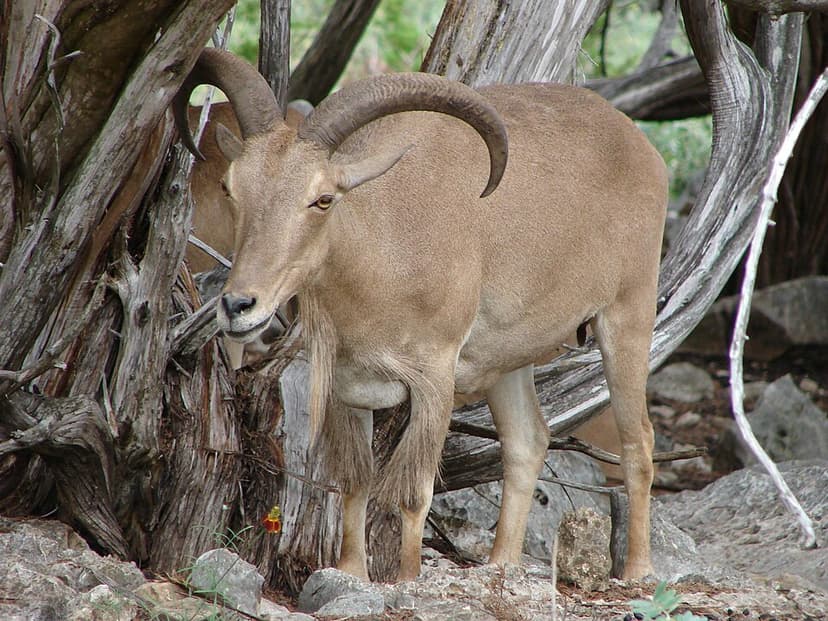
Ammotragus
The Barbary sheep, scientifically named Ammotragus lervia and also known as aoudad, is a species of caprine native to the rocky mountains of North Africa and parts of West Africa. Characterized by its sandy-brown coat, shaggy throat hair, and distinctive curved horns, it is well-adapted to arid, mountainous terrain. Despite being rare in its native range due to hunting and habitat destruction, it has been successfully introduced to other continents as a game species.
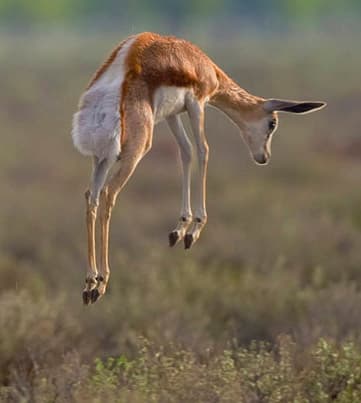
Antidorcas
Antidorcas is a genus of antelope that includes the living springbok and several extinct species. Primarily known for the springbok, this genus is part of the Antilopini tribe and has been studied for its phylogenetic relationships with other antelopes.

Alcelaphus
The hartebeest (Alcelaphus buselaphus) is a large African antelope known for its distinctively elongated forehead, oddly-shaped horns, and sloping back. These gregarious herbivores primarily inhabit dry savannas and wooded grasslands across Africa. Despite their alert nature, hartebeest are generally non-aggressive and form herds, though populations have declined significantly due to human activities.