
Aepyceros
Aepyceros is a genus of African antelope, uniquely defined as the sole living member of the tribe Aepycerotini. Its single extant species is the impala (Aepyceros melampus), an animal distinguished by its elegant build and impressive horns. The genus name itself, derived from Greek, highlights the prominent, high horns characteristic of these antelopes.
Key Facts
- ›Aepyceros is an African antelope genus containing one living species.
- ›The impala (Aepyceros melampus) is the only living species in the genus.
- ›It is the sole representative of the tribe Aepycerotini.
- ›The genus name Aepyceros means 'high-horned' in Greek.
- ›Two extinct species, Aepyceros datoadeni and Aepyceros shungurae, are known.
- ›A third extinct species, Aepyceros premelampus, has been reclassified.

Impala
Africa
Characterized By Prominent, High Horns.
Grasses, Leaves
About Aepyceros
Aepyceros: The High-Horned Antelope
The genus Aepyceros is a fascinating group within the African antelope fauna, distinguished by its singular position as the sole living member of the tribe Aepycerotini. This genus currently encompasses a single extant species, the impala (Aepyceros melampus), an animal renowned for its grace and distinctive horns.
Etymology and Classification
The name Aepyceros itself provides a key insight into the animal's appearance. Derived from the Ancient Greek words 'aipus' (meaning 'high' or 'steep') and 'keras' (meaning 'horn'), the name directly translates to 'high-horned,' a fitting description for the prominent cranial appendages of its members.
Evolutionary History
While the impala represents the sole living lineage, the fossil record indicates a broader history for the genus. Two extinct species, Aepyceros datoadeni and Aepyceros shungurae, have been identified, suggesting a wider distribution or diversity of this antelope group in the past. Notably, a third extinct species, Aepyceros premelampus, has been reclassified into a new genus, Afrotragus, highlighting the dynamic nature of taxonomic understanding.
Physical Characteristics
The most defining physical characteristic of the Aepyceros genus, as suggested by its name, is the presence of significant horns. While the article text does not provide detailed measurements or descriptions of the impala's physical attributes beyond its horns, it is understood to be an antelope, implying herbivorous habits and a characteristic ungulate build.
Source: Wikipedia ↗
Frequently Asked Questions
What does the name Aepyceros mean?
The generic name Aepyceros originates from Ancient Greek. It is derived from 'aipus,' meaning 'high' or 'steep,' and 'keras,' meaning 'horn.' Therefore, Aepyceros literally translates to 'high-horned.'
How many living species are in the genus Aepyceros?
There is only one living species in the genus Aepyceros. This species is the impala, scientifically known as Aepyceros melampus.
What is unique about the tribe Aepycerotini?
The impala, Aepyceros melampus, is the only living member of the tribe Aepycerotini. This makes the genus Aepyceros a distinct evolutionary lineage within the antelope family.
Are there any extinct species of Aepyceros?
Yes, the genus Aepyceros includes extinct species. Two are known: Aepyceros datoadeni and Aepyceros shungurae. Another species, Aepyceros premelampus, has since been moved to a different genus.
Related Artiodactyl species
Antidorcas
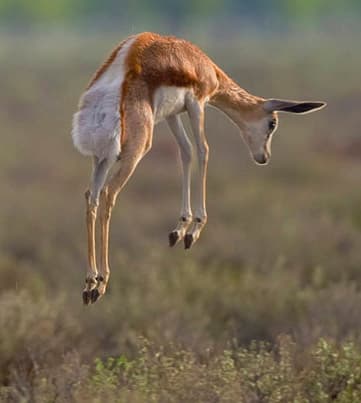
Antidorcas is a genus of antelope that includes the living springbok and several extinct species. Primarily known for the springbok, this genus is part of the Antilopini tribe and has been studied for its phylogenetic relationships with other antelopes.
Ammotragus
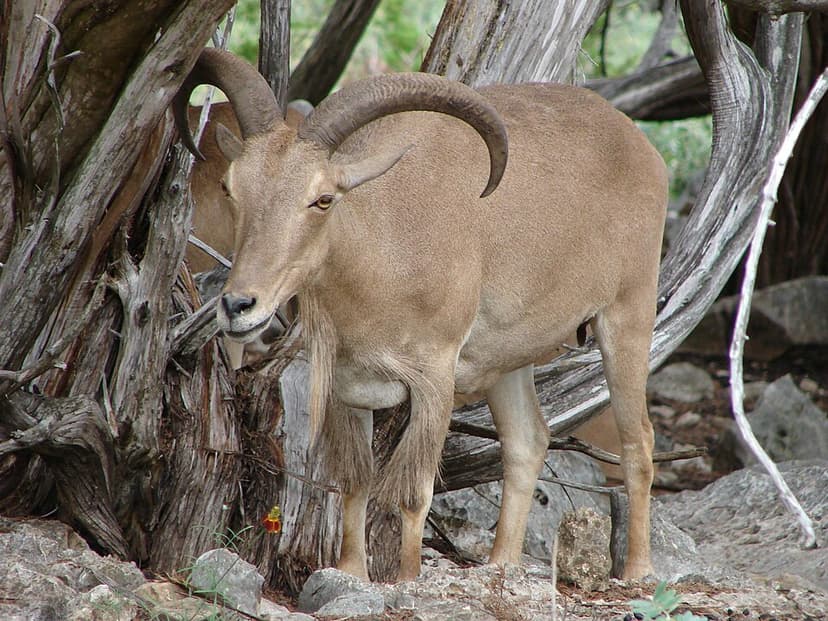
The Barbary sheep, scientifically named Ammotragus lervia and also known as aoudad, is a species of caprine native to the rocky mountains of North Africa and parts of West Africa. Characterized by its sandy-brown coat, shaggy throat hair, and distinctive curved horns, it is well-adapted to arid, mountainous terrain. Despite being rare in its native range due to hunting and habitat destruction, it has been successfully introduced to other continents as a game species.

Antilope
Antilope is a genus of bovids characterized by twisted horns, currently comprising a single living species, the blackbuck, native to South Asia. Historically, the genus included numerous fossil species, many of which have since been reclassified into their own distinct genera.