
Alcelaphus
Artiodactyla·Herbivore·Gregarious; form herds of 20 to 300 individuals.·Alcelaphus
The hartebeest (Alcelaphus buselaphus) is a large African antelope known for its distinctively elongated forehead, oddly-shaped horns, and sloping back. These gregarious herbivores primarily inhabit dry savannas and wooded grasslands across Africa. Despite their alert nature, hartebeest are generally non-aggressive and form herds, though populations have declined significantly due to human activities.
Key Facts
- ›Hartebeest are large antelopes standing over 1 meter at the shoulder, with head-and-body lengths of 2 to 2.5 meters and weights from 100 to 200 kg.
- ›They possess a unique elongated forehead, oddly-shaped horns (present in both sexes), a short neck, pointed ears, and unusually long legs.
- ›Primarily grazers, their diet consists mainly of grasses, and they inhabit dry savannas and wooded grasslands.
- ›Hartebeest are gregarious animals, forming herds of 20 to 300 individuals, and are known for being very alert and non-aggressive.
- ›Mating occurs throughout the year with one or two peaks depending on the subspecies, and a single calf is typically born after an eight to nine-month gestation period.
- ›The lifespan of a hartebeest is between 12 to 15 years.

Kongoni, Kaama
Dry Savannas, Wooded Grasslands
Africa
- Large Antelope Standing Just Over 1 m At the Shoulder.
- Head-and-Body Length Typically 2 To 2.50 m .
- Weight Ranges From 100 To 200 kg .
- Features An Elongated Forehead and Oddly-Shaped Horns.
- Has A Short Neck, Pointed Ears, and Unusually Long Legs, Often With Black Markings.
- Coat Is Generally Short and Shiny, Varying In Color From Sandy Brown To Chocolate Brown Depending On the Subspecies.
- Distinguished By A Large Chest and A Sharply Sloping Back.
- A Conspicuous Hump Over the Shoulders Is Due To Long Dorsal Processes of the Vertebrae.
Grasses
About Alcelaphus
The Hartebeest (Alcelaphus buselaphus)
The hartebeest, scientifically known as Alcelaphus buselaphus and also referred to by the names kongoni or kaama, is a prominent African antelope. It stands as the sole member of the genus Alcelaphus and is recognized for its distinctive physical characteristics. These include a remarkably elongated forehead, oddly shaped horns present in both sexes, a short neck, and pointed ears, complemented by unusually long legs. The hartebeest's large chest and sharply sloping back further set it apart from other antelope species, with a noticeable hump over the shoulders contributing to its unique silhouette.
Habitat and Distribution
Harbeest are primarily denizens of dry savannas and wooded grasslands across the African continent. They are known to move to more arid regions following rainfall, and have been observed at high altitudes, such as on Mount Kenya up to 4,000 meters. Historically, the hartebeest was widespread, but its populations have experienced significant declines due to habitat destruction, hunting, human settlement, and competition with livestock.
Diet and Behavior
As grazers, hartebeest subsist mainly on grasses. They are gregarious animals, congregating in herds that can range from 20 to 300 individuals, though larger gatherings have been observed in areas with abundant food. Hartebeest are known for their alertness and cautious nature. They are primarily active during daylight hours, grazing in the early morning and late afternoon, and seeking shade during the hotter parts of the day. The social structure involves distinct groups of territorial adult males, non-territorial males, young males, and females with their offspring.
Reproduction and Lifespan
Mating in hartebeest can occur throughout the year, with seasonal peaks influenced by subspecies and local conditions. Both males and females reach sexual maturity between one and two years of age. Following a gestation period of eight to nine months, a single calf is typically born, with births often peaking during the dry season. The average lifespan for a hartebeest in the wild is between 12 and 15 years.
Subspecies and Conservation
Eight subspecies of hartebeest have been described, each with varying characteristics and conservation statuses. Tragically, the Bubal hartebeest (A. b. buselaphus) was declared extinct in 1994. While some subspecies, like the red hartebeest (A. b. caama), are showing population increases, others, such as the Tora hartebeest (A. b. tora), remain Critically Endangered. The species has been extirpated from several countries but has also been introduced into others. The hartebeest is considered a popular game animal, valued for its meat.
Source: Wikipedia ↗
Frequently Asked Questions
What are the distinctive physical features of a hartebeest?
Hartebeest are characterized by their particularly elongated forehead, oddly-shaped horns that are present in both sexes, a short neck, pointed ears, and unusually long legs. Their large chest and sharply sloping back also differentiate them from other antelopes.
What is the typical habitat and diet of the hartebeest?
Hartebeest inhabit dry savannas and wooded grasslands across Africa, often moving to more arid areas after rainfall. They are primarily grazers, with their diet consisting mainly of grasses.
What is the social structure of hartebeest?
Hartebeest are gregarious animals that form herds, typically ranging from 20 to 300 individuals. These herds can comprise territorial adult males, non-territorial males, young males, and females with their young.
How long is a hartebeest's gestation period and what is the typical litter size?
The gestation period for hartebeest is eight to nine months. Typically, a single calf is born after this period, with births often peaking in the dry season.
What is the conservation status of the hartebeest?
The conservation status varies significantly among the eight subspecies. The Bubal hartebeest is extinct, while the Tora hartebeest is Critically Endangered. Populations of the red hartebeest are reported to be on the rise.
Are there different types of hartebeest?
Yes, there are eight recognized subspecies of hartebeest, including the Bubal hartebeest (extinct), red hartebeest, Coke's hartebeest, Lelwel hartebeest, Lichtenstein's hartebeest, western hartebeest, Swayne's hartebeest, and tora hartebeest.
Related Artiodactyl species
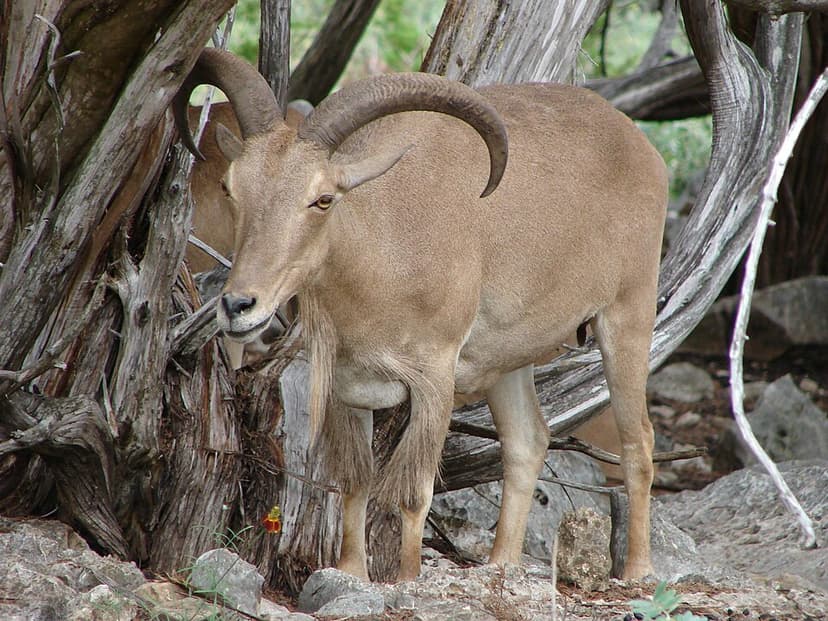
Ammotragus
The Barbary sheep, scientifically named Ammotragus lervia and also known as aoudad, is a species of caprine native to the rocky mountains of North Africa and parts of West Africa. Characterized by its sandy-brown coat, shaggy throat hair, and distinctive curved horns, it is well-adapted to arid, mountainous terrain. Despite being rare in its native range due to hunting and habitat destruction, it has been successfully introduced to other continents as a game species.
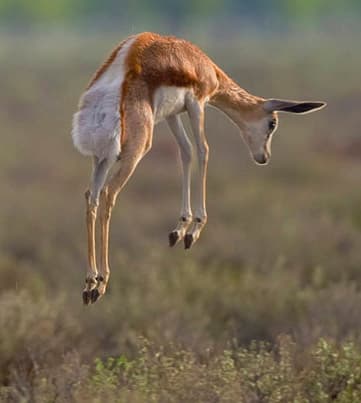
Antidorcas
Antidorcas is a genus of antelope that includes the living springbok and several extinct species. Primarily known for the springbok, this genus is part of the Antilopini tribe and has been studied for its phylogenetic relationships with other antelopes.

Antilope
Antilope is a genus of bovids characterized by twisted horns, currently comprising a single living species, the blackbuck, native to South Asia. Historically, the genus included numerous fossil species, many of which have since been reclassified into their own distinct genera.