
Alces
Artiodactyla·Herbivore·Alces
Alces is a genus of even-toed mammals that includes the largest living species of the deer family. The genus is thought to contain two species: the extant elk or moose (Alces alces) and the extinct Pleistocene species Alces gallicus. While some classifications recognize the North American moose and the European elk as distinct species, recent opinion favors treating them as subspecies of Alces alces.
Key Facts
- ›Alces is the genus for the largest living members of the deer family.
- ›The genus contains the extant species Alces alces (elk/moose) and the fossil Alces gallicus.
- ›The classification of Alces alces into separate European and North American species is debated, with many considering them subspecies.
- ›European elk have 68 chromosomes, while North American moose have 70, though they can hybridize.
- ›Alces gallicus, also known as the Villafranchian elk, lived in the Pleistocene epoch.
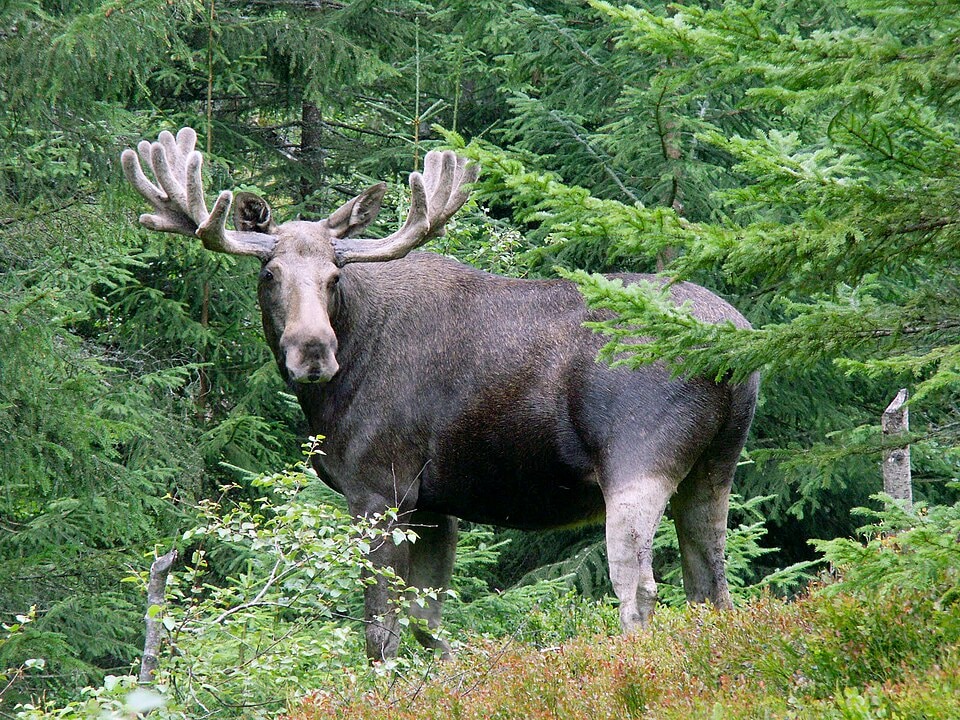
Elk, Moose
Northern Europe, Northwestern Asia, North America, Northeastern Asia
Largest Species of the Deer Family.
About Alces
What is Alces?
Alces is a genus of mammals belonging to the order Artiodactyla, commonly known as even-toed ungulates. This genus is distinguished by containing the largest living species within the deer family, Cervidae. The name Alces is primarily associated with the large, well-known animals found in northern forests.
Taxonomy and Species
Current scientific consensus recognizes two species within the genus Alces. The most prominent is the extant species, Alces alces, which encompasses what are commonly known as the elk and the moose. Alongside this living species is the fossil species, Alces gallicus, which roamed the Earth during the Pleistocene epoch, approximately two million years ago. This extinct species is also referred to as the Villafranchian elk or weighing scale elk.
There has been historical debate regarding the classification of the modern Alces alces. Some earlier thinking proposed dividing it into two distinct species: the European elk (A. alces sensu stricto) and the North American moose (A. americanus). This division was partly based on observed differences in chromosome counts, with European elk possessing 68 chromosomes and North American moose having 70. However, recent scientific opinion has increasingly tended to treat these as subspecies within a single species, Alces alces. Despite these chromosomal differences, hybridization between these groups can occur where their ranges overlap, such as in Siberia. The exact number of modern species within the genus remains a subject of ongoing discussion among scientists.
Source: Wikipedia ↗
Frequently Asked Questions
How many species are in the genus Alces?
Current thinking accepts two species in the genus Alces: the extant elk or moose (Alces alces) and the fossil Alces gallicus. However, the classification of the modern elk and moose as one or two species is still debated.
What is the difference between an elk and a moose in the genus Alces?
While often used interchangeably, the terms 'elk' and 'moose' can refer to different subspecies or even species within Alces. European elk (Alces alces sensu stricto) and North American moose (Alces americanus) are sometimes considered separate species due to chromosomal differences, but recent views often classify them as subspecies of Alces alces.
When did Alces gallicus live?
Alces gallicus, also known as the Villafranchian elk or weighing scale elk, existed during the Pleistocene epoch, approximately 2 million years ago.
Can European elk and North American moose interbreed?
Yes, despite potential chromosomal differences, European elk and North American moose can hybridize where their ranges meet, such as along the Yenisei River in Siberia.
Related Artiodactyl species
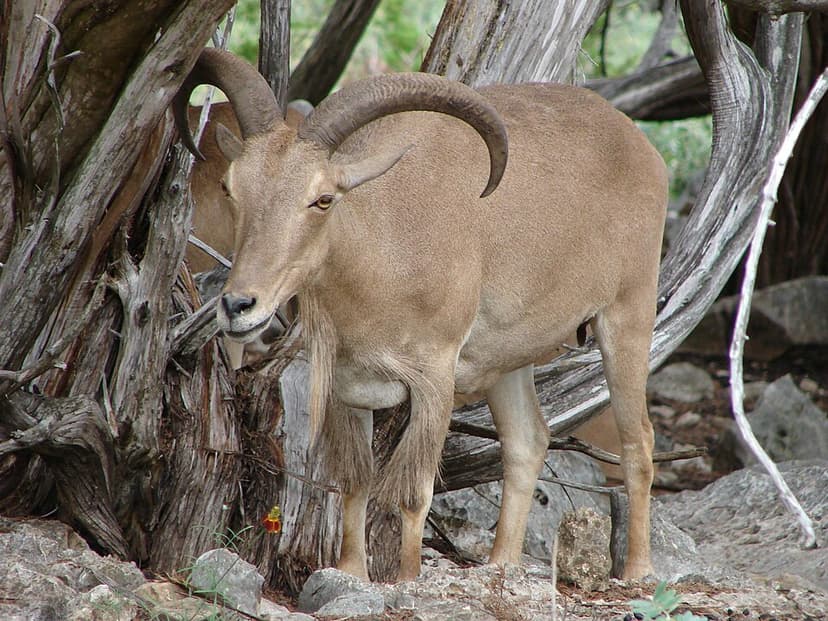
Ammotragus
The Barbary sheep, scientifically named Ammotragus lervia and also known as aoudad, is a species of caprine native to the rocky mountains of North Africa and parts of West Africa. Characterized by its sandy-brown coat, shaggy throat hair, and distinctive curved horns, it is well-adapted to arid, mountainous terrain. Despite being rare in its native range due to hunting and habitat destruction, it has been successfully introduced to other continents as a game species.
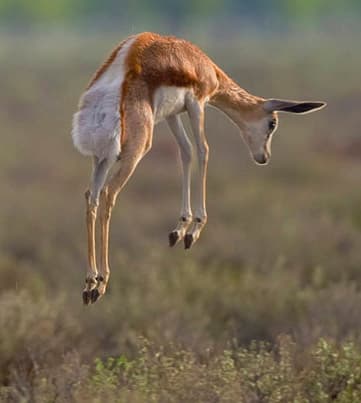
Antidorcas
Antidorcas is a genus of antelope that includes the living springbok and several extinct species. Primarily known for the springbok, this genus is part of the Antilopini tribe and has been studied for its phylogenetic relationships with other antelopes.

Antilope
Antilope is a genus of bovids characterized by twisted horns, currently comprising a single living species, the blackbuck, native to South Asia. Historically, the genus included numerous fossil species, many of which have since been reclassified into their own distinct genera.