
Arabitragus
Artiodactyla·Browser·Solitary or small groups (female and kid, or a male)·Endangered
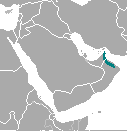
The Arabian tahr, formerly classified under the genus Hemitragus, is now recognized in its own monotypic genus, Arabitragus. This stocky, reddish-brown ungulate is the smallest of the tahr species and is distinguished by its backward-arching horns and impressive manes on males. It inhabits the steep, rocky slopes of the Hajar Mountains in Oman and the United Arab Emirates.
Key Facts
- ›The smallest species of tahr, with a stocky build and reddish-brown hair.
- ›Males are more robust than females and develop impressive manes that lengthen with age.
- ›Possesses rubber-like hooves for traction on steep, rocky terrain.
- ›Primarily browsers, feeding on grasses, shrubs, leaves, and fruits.
- ›Found on steep rocky slopes of the Hajar Mountains in Oman and the United Arab Emirates.
- ›Solitary or lives in small groups, unlike other tahr species which form herds.
Arabian Tahr
Steep Rocky Slopes, Hajar Mountains
Oman, United Arab Emirates
- Smallest Species of Tahr
- Stocky Build
- Backward-Arching Horns In Both Sexes
- Males More Robust Than Females
- Long, Reddish-Brown Hair
- Dark Stripe Running Down the Back
- Males Possess Impressive Manes
- Oldest Males Have Darkening Muzzle and Eye Stripes
- Rubber-Like Hooves For Balance and Traction
Grasses, Shrubs, Leaves, Fruits of Most Trees
Arabian Leopard
About Arabitragus
The Arabian Tahr
The Arabian tahr (Arabitragus jayakari) is a distinct species of tahr native to the rugged eastern Arabian Peninsula. Previously classified within the genus Hemitragus, genetic research has led to its reclassification into its own monotypic genus, Arabitragus. It holds the distinction of being the smallest species of tahr, characterized by its stocky build and distinctive backward-arching horns present in both males and females.
Physical Characteristics and Habitat
Arabian tahrs are adorned with long, reddish-brown hair, often featuring a dark stripe along the back. Males are noticeably more robust than females and develop particularly impressive manes that can extend down their backs, growing longer with age. In older males, the muzzle and eye stripes darken to black. Their hooves are adapted with a rubber-like texture, providing essential balance and traction on the steep, rocky terrains they inhabit. These ungulates are found in the Hajar Mountains of Oman and the United Arab Emirates, typically residing on steep slopes at altitudes up to 1,800 meters, and are also present in the Jebel Hafeet area.
Behaviour and Ecology
Unlike many other tahr species that form large herds, the Arabian tahr exhibits a more solitary nature or lives in small, dispersed family units. These groups usually consist of a female and her young, or a single male. Reproduction is not tied to specific seasonal ruts but occurs throughout the year, with a gestation period of approximately 140–145 days. Their diet is primarily browse-based, consisting of grasses, shrubs, leaves, and the fruits of various trees. They are highly reliant on water, needing to drink every two to three days during the summer months. Historically, the Arabian leopard was a likely predator, though its presence in the region is now uncertain.
Conservation Status and Threats
The Arabian tahr is classified as Endangered due to a combination of severe threats. Intense overgrazing, particularly from feral domestic goats, poses a significant risk. Poaching remains a concern, often occurring when the tahrs descend to lower elevations for water. Habitat degradation is also a major issue, driven by the construction of infrastructure like roads and buildings, as well as mineral extraction activities. Recognizing these challenges, conservation efforts have been in place since the 1970s, including protection programs in the Hajar Mountains and a captive-breeding initiative established in 1980 to aid reintroduction into the wild. Several protected areas have also been designated to safeguard their remaining habitat.
Source: Wikipedia ↗
Frequently Asked Questions
What is the Arabian tahr's scientific classification?
The Arabian tahr was first described in 1894 and was later separated into its own genus, Arabitragus, in 2005 based on molecular phylogeny studies. Its scientific name is Arabitragus jayakari. The genus name is derived from Greek words meaning 'Arabian' and 'goat'.
Where does the Arabian tahr live?
The Arabian tahr is native to eastern Arabia. Specifically, it inhabits the steep, rocky slopes of the Hajar Mountains in Oman and the United Arab Emirates, often at altitudes up to 1,800 meters. It is also found in the area of Jebel Hafeet.
What are the physical characteristics of the Arabian tahr?
It is the smallest tahr species, characterized by a stocky build and backward-arching horns in both sexes. Males are more robust than females and possess prominent manes that extend down their backs. Their coats are long and reddish-brown, often with a dark stripe down the back, and their hooves are rubber-like for grip.
What does the Arabian tahr eat?
The Arabian tahr is typically a browser, consuming a diet of grasses, shrubs, leaves, and fruits from various trees. They are highly dependent on water and need to drink every two to three days during the summer, descending to wadis to do so.
What is the social behavior of the Arabian tahr?
Unlike other tahr species that form herds, the Arabian tahr is largely solitary or lives in small groups. These groups usually consist of a female and her young, or a single male. Reproduction occurs within these small, dispersed family units rather than in large herds.
What are the main threats to the Arabian tahr?
The Arabian tahr faces significant threats including intense overgrazing by domestic goats, poaching, and habitat destruction. Construction of roads, buildings, and mineral extraction also lead to habitat degradation. Poaching is particularly prevalent when the animals descend from the mountains to access water sources.
What conservation efforts are in place for the Arabian tahr?
Conservation efforts for the Arabian tahr began in the 1970s with protection programs introduced in the Hajar Mountains. A captive-breeding program was established in 1980 to reintroduce individuals into the wild. Several protected areas have also been designated, such as Wadi Wurayah and Sir Bani Yas island.
Related Artiodactyl species

Aepycamelus
Aepycamelus was an extinct genus of camelids that lived in North America during the Miocene epoch. Named "high camel" due to its exceptionally long neck and legs, it possessed padded feet similar to modern camels and walked on its toes. This highly specialized animal likely inhabited dry grasslands with trees, browsing on high foliage.
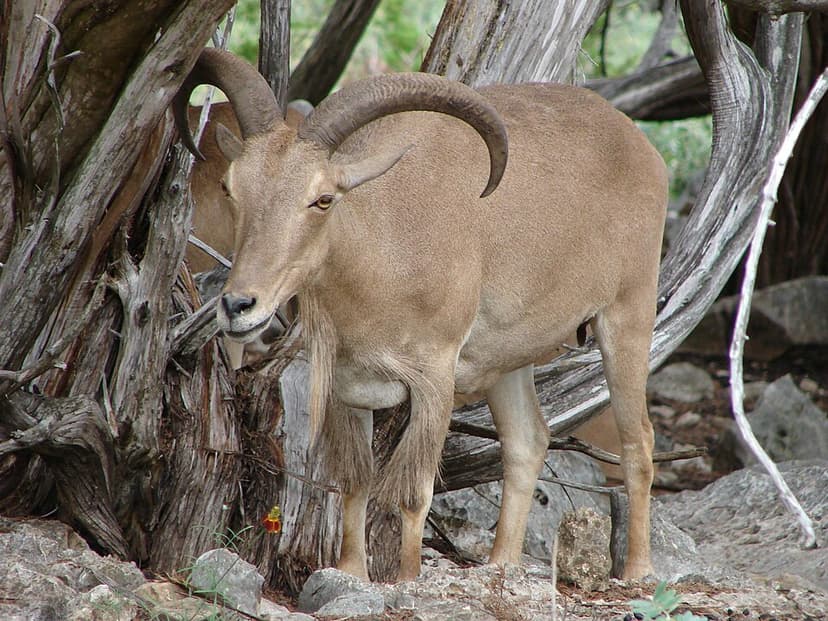
Ammotragus
The Barbary sheep, scientifically named Ammotragus lervia and also known as aoudad, is a species of caprine native to the rocky mountains of North Africa and parts of West Africa. Characterized by its sandy-brown coat, shaggy throat hair, and distinctive curved horns, it is well-adapted to arid, mountainous terrain. Despite being rare in its native range due to hunting and habitat destruction, it has been successfully introduced to other continents as a game species.
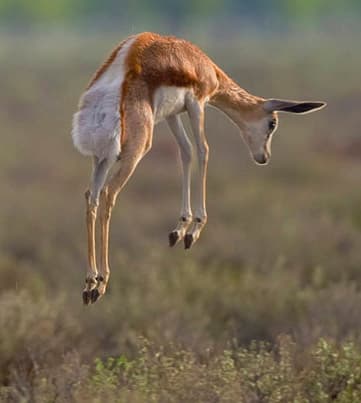
Antidorcas
Antidorcas is a genus of antelope that includes the living springbok and several extinct species. Primarily known for the springbok, this genus is part of the Antilopini tribe and has been studied for its phylogenetic relationships with other antelopes.