
K. beatrix
Mammal, Carnivora, Ursidae·Omnivore (primarily herbivorous with occasional meat consumption)
Kretzoiarctos beatrix is an extinct bear species from the European Miocene, notable for being an ancestral relative of the giant panda. Fossil evidence suggests it possessed a specialized craniodental structure, indicating adaptations for processing hard plant matter, though it may have occasionally consumed meat. Its extinction is hypothesized to be linked to significant climate and environmental shifts during the Late Miocene.
Key Facts
- ›An extinct bear genus from the European Miocene.
- ›Considered an ancestor of the extant giant panda.
- ›Fossil evidence suggests adaptations for consuming hard plant tissues.
- ›May have been an opportunistic feeder, occasionally consuming meat.
- ›Extinction likely linked to Late Miocene climate and environmental changes, including the Messinian salinity crisis.

Forests, Woodlands
Europe
Opportunistic Feeder
Climate Change, Environmental Changes, Messinian Salinity Crisis
About K. beatrix
Kretzoiarctos beatrix
Kretzoiarctos beatrix is an extinct genus of bear that lived during the Middle to Late Miocene epoch in Europe. It is scientifically significant as a proposed ancestor of the modern giant panda, belonging to the Ailuropodinae subfamily. Fossil discoveries, primarily from Spain, have provided insights into its morphology and potential lifestyle.
Description and Diet
Originally described as Agriarctos beatrix in 2011 before being reclassified, Kretzoiarctos beatrix is recognized for its panda-like characteristics. Its tooth structure, particularly the strong distal cusps on premolars and adaptations in its molars, suggests a diet specialized for processing very hard plant tissues. This dental morphology is seen as a precursor to the highly specialized craniodental adaptations found in the extant giant panda (Ailuropoda melanoleuca) for consuming bamboo. However, dental microwear texture analysis has also indicated that K. beatrix was an opportunistic feeder, occasionally consuming meat.
Extinction
The extinction of Kretzoiarctos beatrix is hypothesized to be linked to significant climate and environmental shifts that occurred during the Late Miocene. Periods of high precipitation and humid environments in Western Europe, which favored smaller plant-feeding animals, were followed by severe climate changes. A notable event was the Messinian salinity crisis, characterized by a substantial decrease in the Mediterranean Sea level due to desiccation. This environmental upheaval is considered a potential cause for the decline in diversity among Ursidae species, including the genus Kretzoiarctos.
Source: Wikipedia ↗
Frequently Asked Questions
What is Kretzoiarctos beatrix?
Kretzoiarctos beatrix is an extinct genus of bear that lived during the European Miocene epoch. It is recognized as an ancestral relative of the modern giant panda.
What did Kretzoiarctos beatrix eat?
Based on its tooth structure, researchers speculate Kretzoiarctos beatrix was primarily a herbivore that ate very hard plants. Dental microwear analysis also suggests it was an opportunistic feeder that occasionally consumed meat.
Why did Kretzoiarctos beatrix go extinct?
A hypothetical explanation for the extinction of Kretzoiarctos beatrix involves climate and environmental changes during the Late Miocene. Events like the Messinian salinity crisis, which caused a significant decrease in Mediterranean Sea levels, may have contributed to the decline of Ursidae species, including this one.
What is the significance of Kretzoiarctos beatrix?
Kretzoiarctos beatrix is significant because fossil records indicate it is an ancestral group of the giant panda subfamily. Its specialized tooth structure for processing hard plants may represent an early evolutionary trend that led to the complex molars seen in extant giant pandas.
Related Bears
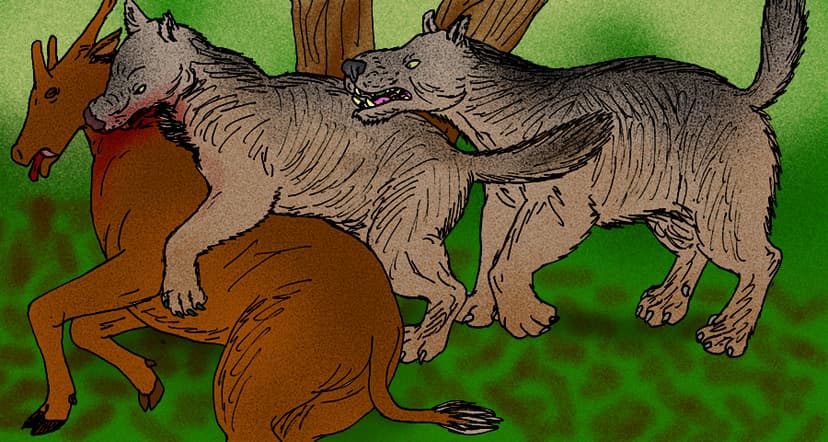
Hemicyoninae
Hemicyoninae, often referred to as dog bears, were an extinct subfamily of Ursidae that existed from the Oligocene through the Miocene epochs. These bear-like carnivorans inhabited parts of Europe, North America, Africa, and Asia, and are notable for their long evolutionary history, spanning approximately 28.6 million years.

Cave Bear
The cave bear (Ursus spelaeus) was a prehistoric species of bear that inhabited Europe and Asia during the Pleistocene epoch, going extinct approximately 24,000 years ago. Named for the prevalence of their remains found in caves, they are believed to have spent more time in these sheltered environments than modern bears, often using them for hibernation. Distinctive for their large size and a predominantly herbivorous diet, cave bears displayed significant variability in size, morphology, and genetics.
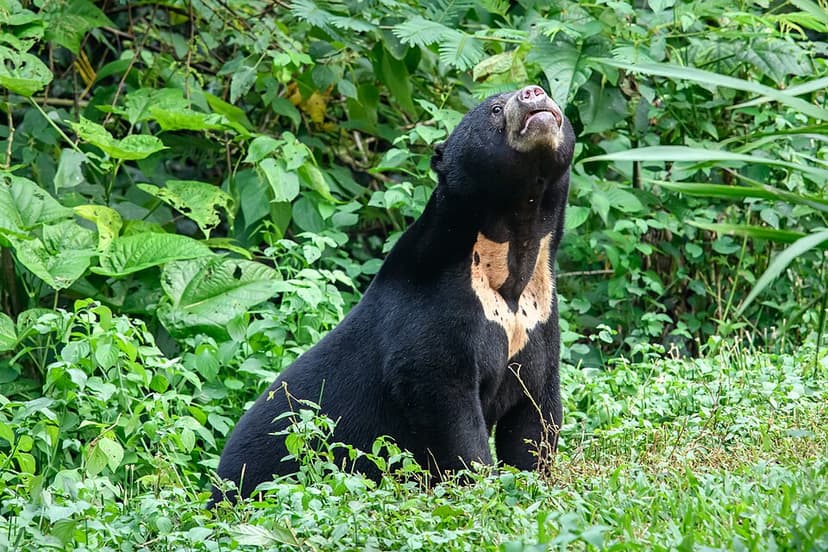
Helarctos
The sun bear (Helarctos malayanus) is the smallest bear species, native to the tropical forests of Southeast Asia. Distinctive for its short, jet-black fur and a characteristic orange to cream-colored chest patch, it is highly adapted for an arboreal lifestyle. Facing significant threats from deforestation and poaching, its population has seen a considerable decline.