
Melursus
Vulnerable·Mammal, Carnivora, Ursidae·Myrmecophagous (ants and termites), fruits, plant matter, carrion, honey·Solitary, with mothers and cubs forming units.
The sloth bear (Melursus ursinus) is a distinctive myrmecophagous bear species native to the Indian subcontinent, known for its long shaggy fur, mane, and specialized snout for sucking up insects. It is listed as vulnerable due to habitat loss and degradation, and is the sole member of the genus Melursus.
Key Facts
- ›Feeds primarily on ants and termites, but also consumes fruits, plant matter, and carrion.
- ›Possesses long, shaggy fur, a mane around the face, and long, sickle-shaped claws.
- ›Has a specialized snout and long lower lip for sucking up insects, lacking upper incisors.
- ›Found in diverse habitats including tropical forests, savannahs, scrublands, and grasslands.
- ›Listed as vulnerable on the IUCN Red List due to habitat loss and degradation.
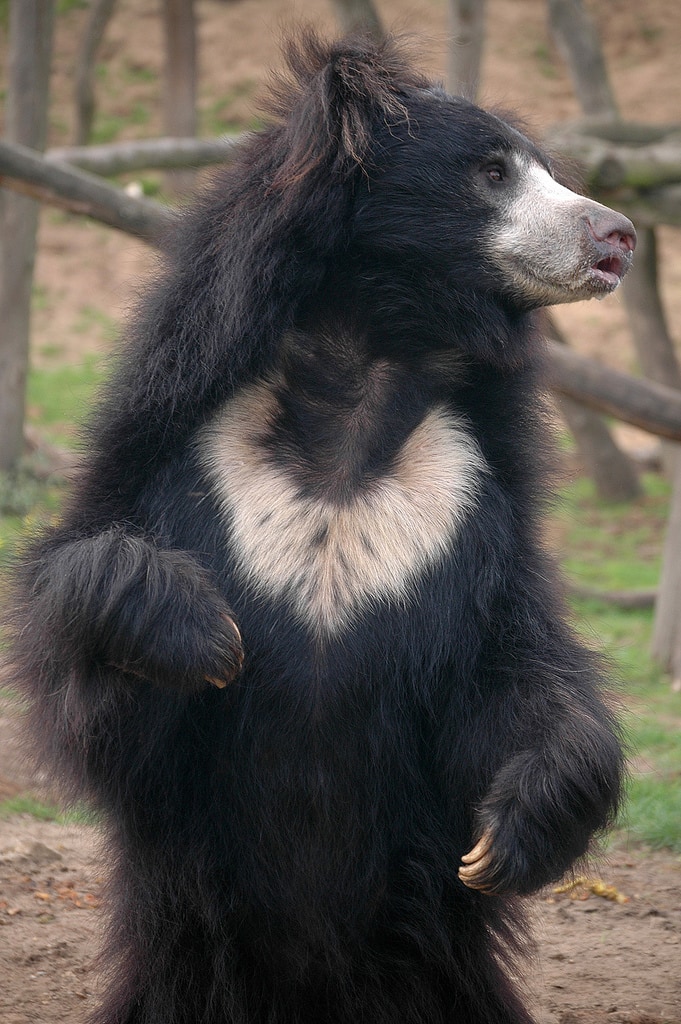
Black, Rusty
Moist and Dry Tropical Forests, Savannahs, Scrublands, Grasslands
India, Nepal, Sri Lanka
Solitary, Excellent Climbers, Good Swimmers, Aggressive When Threatened, Mark Territories By Scraping Trees
Habitat Loss, Habitat Degradation, Hunting, Poaching, Human-Bear Conflict
Bengal Tiger, Leopard, Dhole Packs
About Melursus
Melursus ursinus: The Sloth Bear
The sloth bear, scientifically known as Melursus ursinus, is a unique species of bear native to the Indian subcontinent. It is distinguished by its long, shaggy fur, a prominent mane around its face, and exceptionally long, sickle-shaped claws. Its diet is highly specialized, consisting primarily of ants and termites, which it extracts from mounds using its long snout and lips, producing a characteristic sucking sound.
Habitat and Distribution
Sloth bears inhabit a variety of environments, including moist and dry tropical forests, savannahs, scrublands, and grasslands, typically found at lower elevations. Their geographic range encompasses India, the Terai region of Nepal, and Sri Lanka. They have been regionally extirpated from Bangladesh.
Physical Characteristics
Adult sloth bears are medium-sized bears, with females generally weighing between 55 to 105 kg and males between 80 to 145 kg. They possess thick, long muzzles with wide nostrils and lack upper incisors, adaptations for their insectivorous diet. Their paws are disproportionately large, equipped with long, blunt claws measuring up to 10 cm. The fur is predominantly black, though some specimens exhibit a rusty hue, with a common whitish Y- or V-shaped mark on the chest.
Diet and Behavior
The sloth bear's diet is predominantly myrmecophagous, focusing on ants and termites, supplemented by fruits, honey, and occasionally carrion. They locate insect nests by scent and use their claws to break into them. While they appear slow, they are capable climbers and good swimmers, though they do not typically climb to escape threats. Sloth bears are known for their aggressive disposition when confronted, often charging at perceived dangers rather than fleeing.
Reproduction
The breeding season varies across their range. Females typically give birth to one or two cubs, rarely three, after a gestation period of about 210 days. Cubs are born blind and remain dependent on their mother for an extended period, often riding on her back during travel and climbs. They typically become independent between 24 to 36 months of age.
Conservation Status
The sloth bear is listed as Vulnerable on the IUCN Red List. Major threats include habitat loss and degradation due to human encroachment and agricultural expansion. Poaching for body parts and human-bear conflict also contribute to population declines. Conservation efforts include legal protection, habitat preservation, and rehabilitation programs.
Source: Wikipedia ↗
Frequently Asked Questions
What does a sloth bear eat?
Sloth bears are primarily insectivorous, feeding on ants and termites which they locate by smell. Their diet also includes fruits, plant matter, honey, and occasionally carrion. They use their long snout and lips to suck up insects from mounds.
What are the physical characteristics of a sloth bear?
Sloth bears are characterized by their long, shaggy, black fur, a mane around the face, and exceptionally long, sickle-shaped claws. They have a distinctive long muzzle and lower lip adapted for their insectivorous diet, and large ears.
Where do sloth bears live?
The sloth bear's natural range covers the Indian subcontinent, including India, Nepal, and Sri Lanka. They inhabit a variety of environments such as tropical forests, savannahs, scrublands, and grasslands.
What is the conservation status of the sloth bear?
The sloth bear is listed as vulnerable on the IUCN Red List. The primary threats to their population are habitat loss and degradation, as well as hunting for food and products.
Are sloth bears aggressive?
Sloth bears are considered one of the more aggressive extant bear species. Their aggressive disposition, combined with their long claws, may serve as a defense against potential predators like tigers.
How do sloth bears reproduce?
Sloth bear breeding seasons vary by location. Females typically give birth to one or two cubs, or rarely three, in sheltered locations. Cubs ride on their mother's back and remain dependent for up to three years.
Related Bears

Tremarctos
Tremarctos is a genus of bears endemic to the Americas, known for its "short-faced" appearance due to its deep snouts and short nasal bones. The genus includes the extinct Florida short-faced bear (T. floridanus) and the sole living species, the South American spectacled bear (T. ornatus). Tremarctos is distinctive within the bear family for its specific cranial and dental morphology, and the living spectacled bear is the only bear species found in South America.
Helarctos
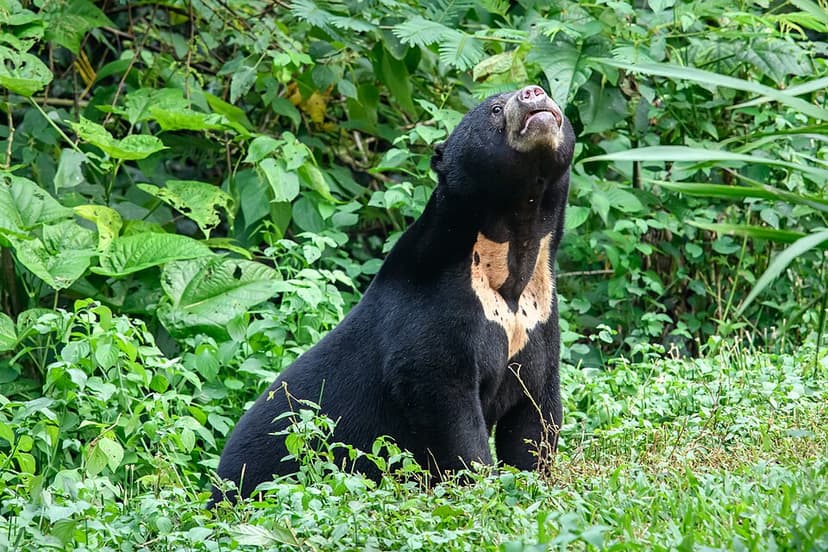
The sun bear (Helarctos malayanus) is the smallest bear species, native to the tropical forests of Southeast Asia. Distinctive for its short, jet-black fur and a characteristic orange to cream-colored chest patch, it is highly adapted for an arboreal lifestyle. Facing significant threats from deforestation and poaching, its population has seen a considerable decline.

Ailuropoda
Ailuropoda is the sole genus of the bear subfamily Ailuropodinae, comprising one living species, the giant panda, and several extinct fossil species. Despite being classified as a carnivoran, the giant panda's diet is almost exclusively herbivorous, consisting mainly of bamboo. Its distinctive cat-like vertical pupils are reflected in its scientific name and common Chinese name, "large bear cat."