
Trigrad Gorge
River Canyon·Bulgaria·Proterozoic·Trigradska River
The Trigrad Gorge is a dramatic canyon characterized by its vertical marble rock walls, located in the Rhodope Mountains of Bulgaria. Formed by the Trigradska River, it is renowned for its geological uniqueness, being one of only three river-carved gorges globally that are cut entirely through pure marble. The gorge is a protected area and a significant tourist attraction, offering impressive natural scenery.
Key Facts
- ›Features vertical marble rock walls.
- ›Located in the Rhodope Mountains, Smolyan Province, Bulgaria.
- ›Encloses the course of the Trigradska River before it enters Devil's Throat Cave.
- ›West wall reaches up to 300 meters high; east wall up to 350 meters.
- ›Narrows from an initial 300 meters apart to about 100 meters in its northern section.
- ›One of three river-carved gorges worldwide cut entirely through pure marble.
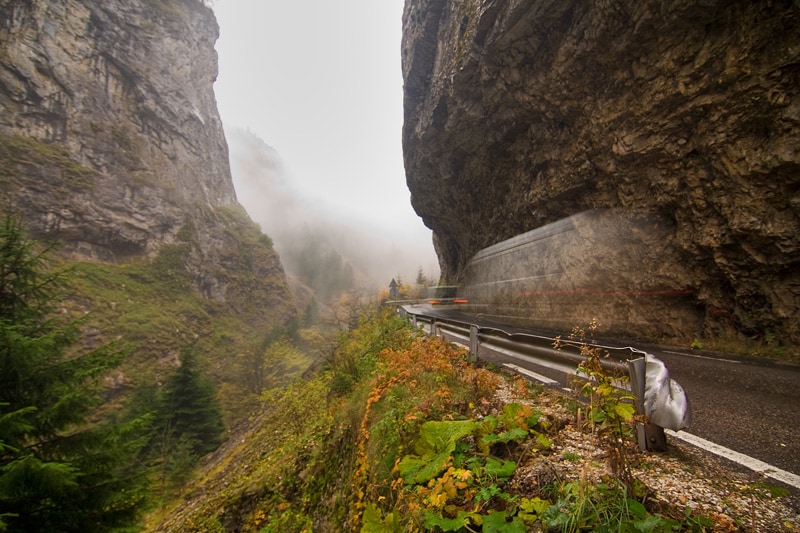
River Erosion
Vertical Marble Rock Walls, Trigradska River Course, Devil's Throat Cave
триградско ждрело
About Trigrad Gorge
The Trigrad Gorge is a striking natural wonder located in the Rhodope Mountains of Bulgaria's Smolyan Province. This canyon is distinguished by its sheer vertical walls of marble rock, a testament to the powerful erosive forces of the Trigradska River that carved it over millennia. It is situated at an elevation of 1,450 meters above sea level and is approximately 1.2 kilometers from the village of Trigrad. The gorge proper extends for 2 to 3 kilometers as part of a total length of 7 kilometers.
Geological Significance
Geologically, the Trigrad Gorge holds a rare distinction: it is one of only three river-carved gorges worldwide that are cut entirely through pure marble. This geological characteristic places it in the same category as Bhedaghat Gorge in India and Taroko Gorge in Taiwan. The gorge's walls exhibit impressive heights, with the west wall reaching up to 300 meters and the east wall extending between 300 and 350 meters. The width of the gorge varies, beginning at about 300 meters apart and narrowing to approximately 100 meters in its northern section.
Natural Features and Tourism
The Trigrad Gorge encompasses the course of the Trigradska River, which famously plunges into the subterranean depths of the Devil's Throat Cave before re-emerging as a large karst spring. This spring then flows into the River Buynovska. Since the early 1960s, the area has been designated as a protected zone covering 710.57 hectares. Recognizing its appeal, the gorge has been actively managed for tourist visits since 1977, drawing visitors to experience its dramatic landscapes and unique geological formations.
Source: Wikipedia ↗
Frequently Asked Questions
How was the Trigrad Gorge formed?
The Trigrad Gorge was formed by the erosive power of the Trigradska River. This river carved its path through the solid marble rock of the Rhodope Mountains over geological time, creating the deep canyon with its characteristic vertical walls.
What are the dimensions of the Trigrad Gorge?
The west wall of the gorge reaches approximately 300 meters in height, while the east wall extends up to 350 meters. The gorge's width varies, initially around 300 meters apart, narrowing to about 100 meters in its northern part. The gorge proper spans 2-3 kilometers of its total 7-kilometer length.
What is geologically unique about the Trigrad Gorge?
The Trigrad Gorge is geologically significant as it is one of only three river-carved gorges in the world that are cut entirely through pure marble. This makes it a rare and remarkable example of river erosion acting on a specific type of rock.
What notable features are associated with the Trigrad Gorge?
The gorge encloses the course of the Trigradska River, which notably plunges into the Devil's Throat Cave. After emerging from the cave, the river continues its flow into the River Buynovska.
Is Trigrad Gorge accessible to visitors?
Yes, the Trigrad Gorge has been managed for tourist visits since 1977. It is also a protected area, indicating its importance and accessibility for public appreciation of its natural beauty.
Related Canyons
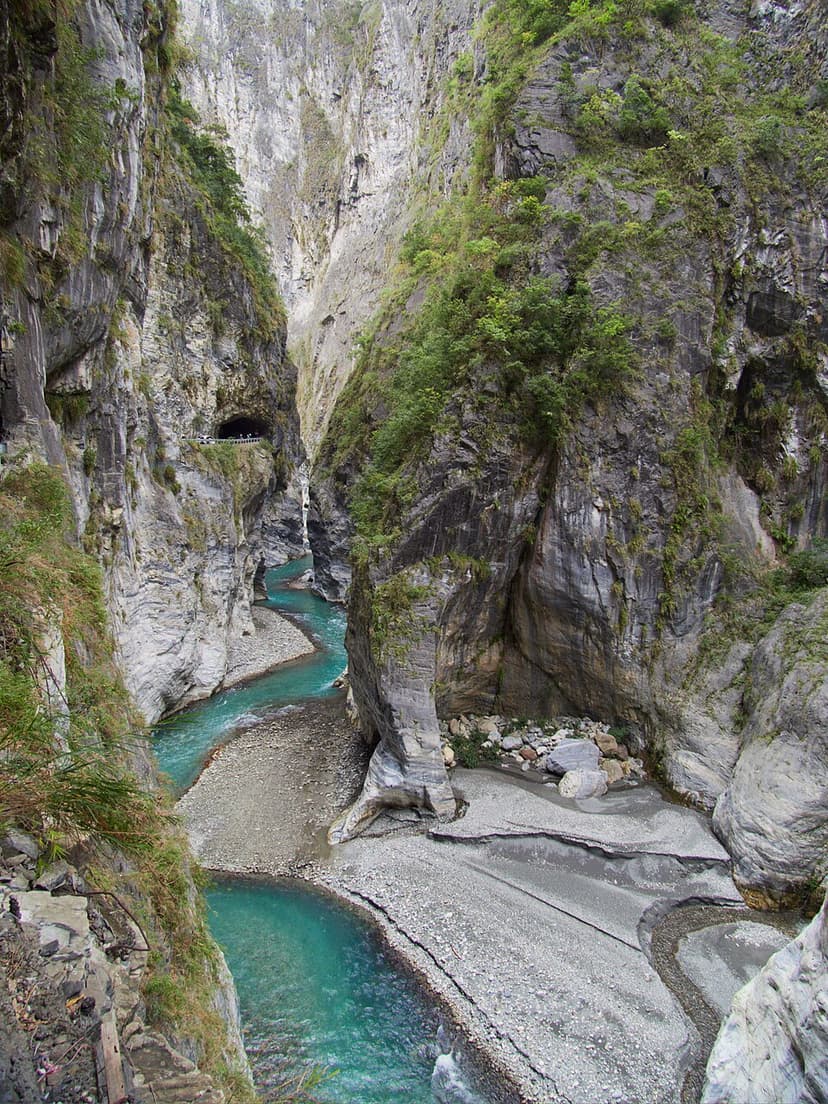
Taroko National Park
Taroko National Park is a prominent national park in Taiwan, celebrated for its spectacular Taroko Gorge, a marble canyon carved by the Liwu River. This gorge is one of only three in the world entirely cut through pure marble, alongside sites in India and Bulgaria. The park, established in its current form in 1986, is geologically active due to tectonic plate collision, resulting in a dynamic landscape of steep cliffs, frequent earthquakes, and landslides.

Agawa Canyon
Agawa Canyon is a shallow canyon in Ontario, Canada, formed approximately 1.2 billion years ago by faulting and later carved by the Agawa River. It is now a popular tourist destination within the Agawa Canyon Wilderness Park, accessible by train or hiking trail, and is renowned for its natural beauty, waterfalls, and seasonal foliage.
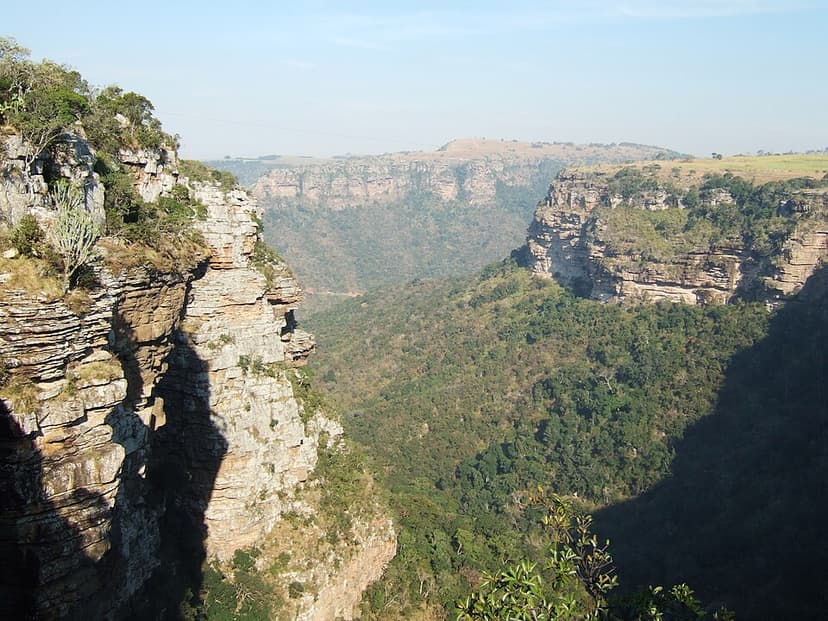
Oribi Gorge
Oribi Gorge is a significant canyon in Kwazulu-Natal, South Africa, carved by the Mzimkulwana River and forming the eastern of two gorges through the Oribi Flats. Its dramatic depths and crags, covered in subtropical vegetation, reveal ancient geological formations, including over a billion-year-old basement rock and sandstone cliffs deposited approximately 365 million years ago. The gorge is named after the oribi antelope and is a protected nature reserve.