
Coquihalla Canyon
River Canyon·Canada·Coquihalla River·Granite
Coquihalla Canyon is a provincial park in southwestern British Columbia, Canada, renowned for its dramatic gorge carved by the Coquihalla River. The canyon features the historic Othello Tunnels, a series of former railway tunnels that are now a popular recreational attraction. Its formation is attributed to the erosive power of the river acting upon granite batholiths, resulting in steep, fragmented walls and a narrow gorge.
Key Facts
- ›The canyon features walls approximately 100 meters (328 ft) deep.
- ›The Othello Tunnels, part of the former Kettle Valley Railway, are a significant feature.
- ›The geology consists of granite batholiths intruding metamorphic rock.
- ›The Coquihalla River creates cascades and rapids through the narrow gorge.
- ›The area was designated a provincial park in May 1986.
- ›The Kettle Valley Rail Trail, a segment of the Trans Canada Trail, passes through the canyon.

River Erosion
Othello Tunnels, Kettle Valley Railway Right-of-Way, Cascades, Rapids
About Coquihalla Canyon
Coquihalla Canyon is a dramatic river canyon located in southwestern British Columbia, Canada, on the north shore of the Coquihalla River. It is home to the Othello Tunnels, a series of five former railway tunnels, and is a popular destination for its natural beauty and historical significance.
Physiography and Formation
The canyon is characterized by steep walls approximately 100 meters (328 ft) deep, which are a result of the Coquihalla River's erosive power acting upon the local geology. The bedrock consists of granite batholiths that have intruded into earlier sedimentary and volcanic rocks, which have subsequently metamorphosed. The river's path through the narrow gorge creates numerous cascades and rapids. Seasonal fluctuations in water levels can lead to log jams within the canyon.
Historical Significance
The area was first utilized as a pioneer trail, the Hope–Nicola cattle trail, potentially existing as early as 1846 and significantly upgraded in the mid-1870s. This trail facilitated the movement of livestock until the opening of the Canadian Pacific Railway in the mid-1880s diminished its use. The most significant human alteration to the landscape was the construction of the Kettle Valley Railway (KV), a Canadian Pacific Railway subsidiary, in the early 20th century. Andrew McCulloch, the chief engineer and a Shakespeare enthusiast, is credited with the naming of stations along the line, including Othello, after characters from Shakespeare's plays. The construction of the Othello Tunnels between 1914 and 1916 was an engineering feat, with workers excavating the tunnels simultaneously to achieve a straighter route. Passenger service began in 1916, but extensive damage from floods in 1924 and 1932, followed by further destruction, led to the line's abandonment and track removal in the early 1960s.
Provincial Park and Recreation
Initially designated a recreational reserve in 1964, the area's tourism potential was recognized, leading to enhancements for the tunnels. In May 1986, it was established as Coquihalla Canyon Recreation Area, with the tunnels designated a national historic site. The designation later changed to Coquihalla Canyon Park in 1997. The park now features the Kettle Valley Rail Trail, a segment of the Trans Canada Trail, which follows the former railway right-of-way. The park has undergone various developments, including parking lots, visitor facilities, and bridge renovations to improve accessibility. Despite ongoing maintenance challenges, particularly from flooding events, the park remains a popular destination. The Othello Tunnels have also served as a filming location for numerous films and television series.
Access and Maintenance
The park is located approximately 8 kilometers (5 mi) east of Hope, British Columbia, accessible via Othello Road. The park and its attractions, particularly the Othello Tunnels, have been subject to closures and restoration efforts due to significant flood damage, notably in 2021. Restoration work is ongoing, with parts of the tunnels reopening to the public as repairs are completed.
Source: Wikipedia ↗
Frequently Asked Questions
How was Coquihalla Canyon formed?
Coquihalla Canyon was formed by the erosive action of the Coquihalla River. The river carved through granite batholiths that intrude upon older metamorphic and volcanic rocks. This erosion, combined with the composition of the rock, resulted in the steep, fragmented canyon walls and the narrow gorge.
What are the Othello Tunnels?
The Othello Tunnels are a series of five railway tunnels originally built for the Kettle Valley Railway. They were constructed between 1914 and 1916 to bypass a difficult section of the railway line. The tunnels are now a popular feature of Coquihalla Canyon Park, accessible via a trail.
What kind of activities are available at Coquihalla Canyon Park?
Activities in Coquihalla Canyon Park primarily revolve around exploring the Othello Tunnels and the Kettle Valley Rail Trail. Visitors can walk or cycle through the tunnels and along the former railway bed. The park also offers opportunities for enjoying the scenic gorge and the Coquihalla River.
What is the history of the Kettle Valley Railway in Coquihalla Canyon?
The Kettle Valley Railway (KV) was a subsidiary of the Canadian Pacific Railway. Its construction through Coquihalla Canyon involved significant engineering challenges, including the excavation of the Othello Tunnels. The railway line was eventually abandoned due to extensive damage from floods, with the last passenger service ending in 1959.
Has Coquihalla Canyon been affected by natural disasters?
Yes, Coquihalla Canyon has experienced significant damage from flooding. Major floods in 1924, 1932, 1990, 1995, and most recently in 2021, have caused destruction to the railway infrastructure, bridges, and the canyon walls. Restoration efforts are ongoing following the 2021 floods.
Related Canyons
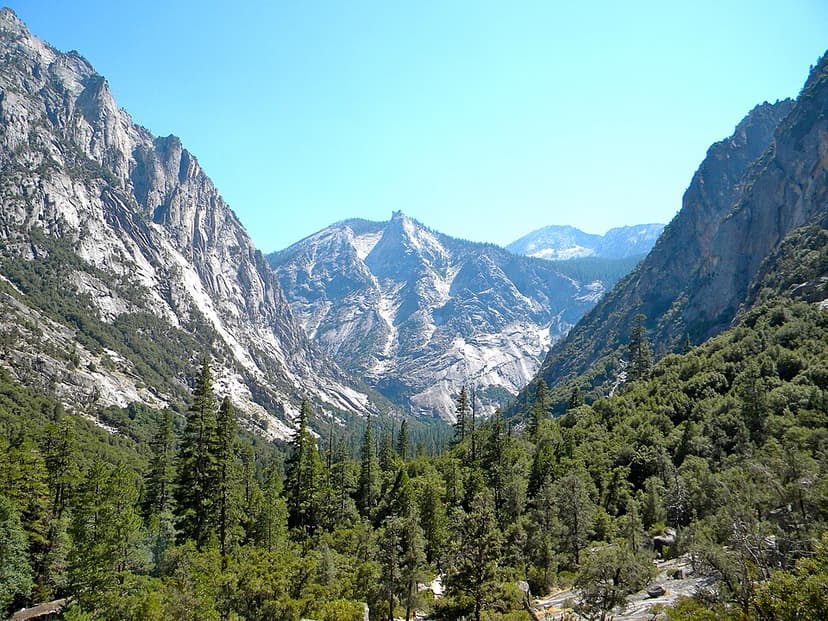
Kings Canyon
Kings Canyon is a rugged, glacier-carved valley in California's southern Sierra Nevada, renowned for its extreme vertical relief and natural beauty. Formed by Ice Age glaciations and subsequent river erosion, it is part of the larger Sequoia and Kings Canyon National Parks and is a significant protected wilderness area.
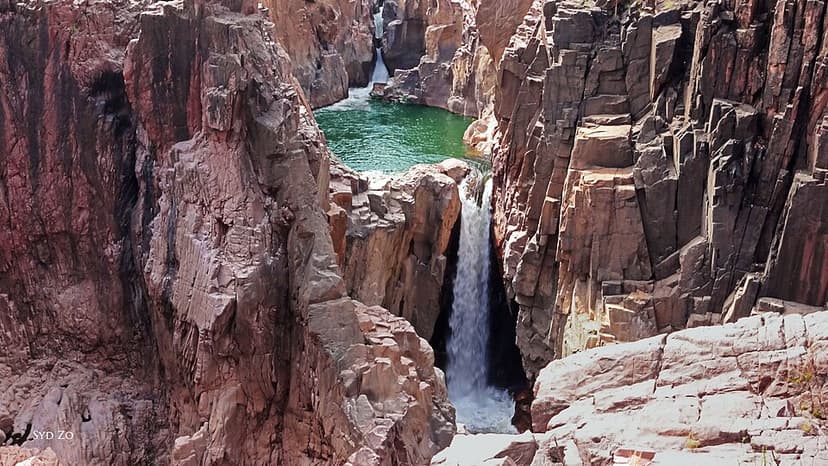
Raneh Falls
Raneh Falls is a natural cascade located on the Ken River in Khajuraho, Madhya Pradesh, India. The falls carve a striking 5-kilometer-long and 30-meter-deep canyon composed of crystalline granite in various colors, with both permanent and seasonal waterfalls. This geological wonder is situated near the Ken Gharial Sanctuary and is part of a gorge rich in igneous rocks. The area is a significant natural attraction, offering a unique display of geological formations and flowing water.
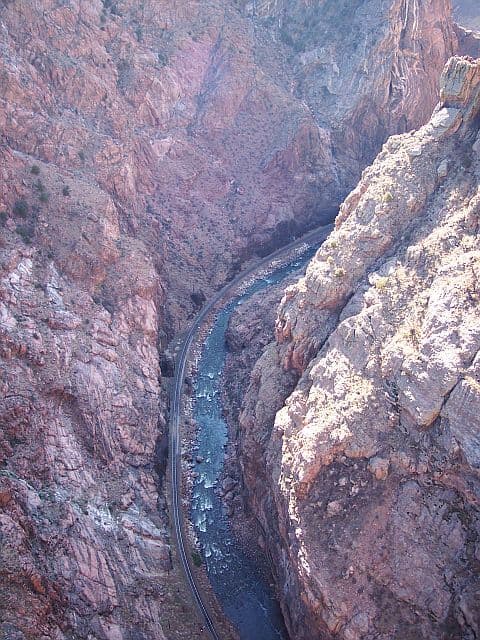
Royal Gorge
The Royal Gorge is a deep and narrow canyon carved by the Arkansas River in Colorado. Formed over millions of years by the river eroding through rising granite, it is one of the deepest canyons in the state. The gorge is a significant natural landmark and a popular tourist destination, known for its dramatic scenery, the historic Royal Gorge Bridge, and recreational activities.