
Farwell Canyon
River Canyon·Canada·Chilcotin River
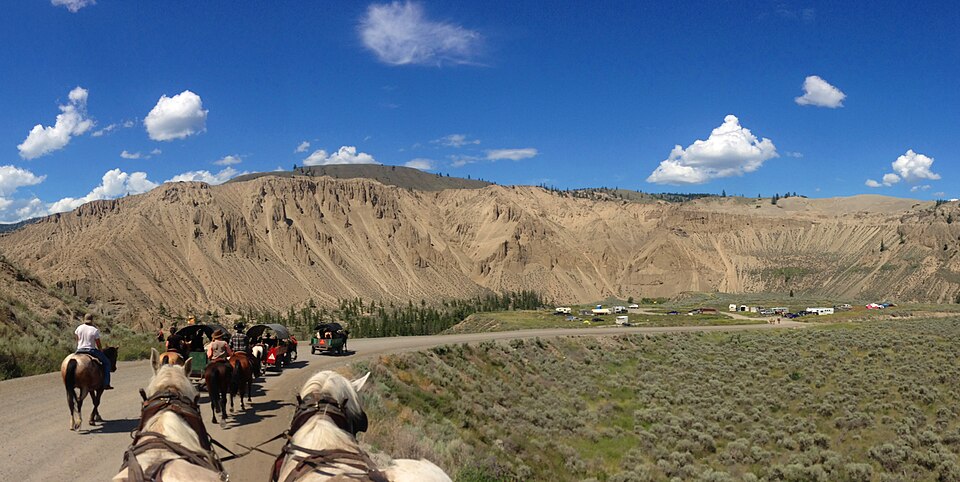
Farwell Canyon, also known to the Tsilhqot'in First Nation as Nagwentled, is a significant canyon located on the Chilcotin River in British Columbia, Canada. Its formation is linked to the erosive forces of the Chilcotin River, particularly around the confluence with Farwell Creek. Historically, this area has been a vital salmon fishing site for First Nations for countless generations.
Key Facts
- ›Located on the Chilcotin River in the Chilcotin District of British Columbia, Canada.
- ›Known to the Tsilhqot'in First Nation as Nagwentled, meaning 'place of landslides'.
- ›Situated near the confluence of Farwell Creek and the Chilcotin River.
- ›An important historical salmon fishing site for First Nations.
- ›The area also features Farwell Rapids along the Chilcotin River.
Nagwentled
River Erosion
Farwell Rapids
Nagwentled
About Farwell Canyon
Farwell Canyon, recognized by the local Tsilhqot'in First Nation as Nagwentled, meaning 'place of landslides,' is a notable canyon situated along the Chilcotin River in the Chilcotin District of British Columbia, Canada. It lies in a region of geological interest, near the confluence of Farwell Creek and the Chilcotin River, and between the junctions of Big Creek and the Fraser River.
Geological Context and Formation
The canyon is a product of the erosive power of the Chilcotin River, which has carved its path through the landscape over time. The name 'Nagwentled' itself suggests that landslides have played a role in shaping the canyon's distinct topography, contributing to its dramatic features.
Cultural and Historical Significance
Historically, the area encompassing Farwell Canyon has held immense importance for First Nations communities. For countless generations, it has been a vital site for salmon fishing, a critical resource that supported indigenous populations. This long-standing connection underscores the canyon's deep cultural significance.
Notable Features
In addition to the canyon itself, the immediate vicinity features the Farwell Rapids, another distinct geographical element along the Chilcotin River. These rapids contribute to the dynamic character of the waterway in this region.
Source: Wikipedia ↗
Frequently Asked Questions
What is Farwell Canyon known for historically?
Farwell Canyon has been significant to First Nations for countless generations, primarily as an important salmon fishing site. The area's natural resources have been vital for indigenous communities throughout history.
What is the indigenous name for Farwell Canyon?
The local Tsilhqot'in First Nation refers to Farwell Canyon as Nagwentled. This name translates to 'place of landslides', suggesting a characteristic of the canyon's topography.
Where is Farwell Canyon located?
Farwell Canyon is located on the Chilcotin River in the Chilcotin District of British Columbia, Canada. It is situated between the confluence of Big Creek and the Fraser River, near the junction of Farwell Creek and the Chilcotin River.
Are there any other notable features near Farwell Canyon?
Yes, in the same area along the Chilcotin River, there are the Farwell Rapids. These rapids are a distinct geographical feature in the vicinity of the canyon.
Related Canyons

Agawa Canyon
Agawa Canyon is a shallow canyon in Ontario, Canada, formed approximately 1.2 billion years ago by faulting and later carved by the Agawa River. It is now a popular tourist destination within the Agawa Canyon Wilderness Park, accessible by train or hiking trail, and is renowned for its natural beauty, waterfalls, and seasonal foliage.
Barron River (Ontario)
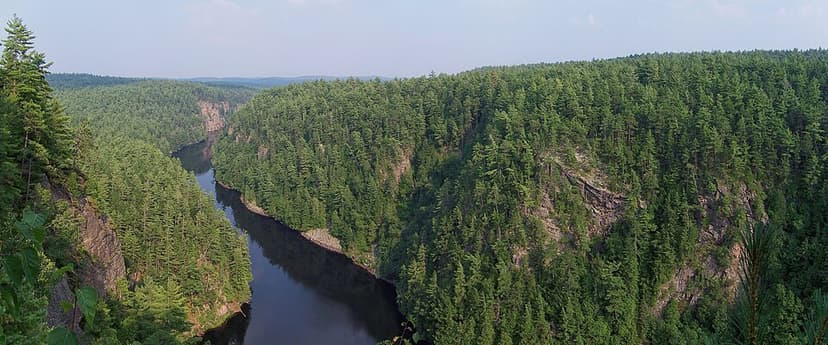
The Barron River is a significant waterway in Ontario, Canada, flowing through Algonquin Provincial Park and forming the southern branch of the Petawawa River. It was primarily formed by glacial meltwater approximately 10,000 years ago, carving out the impressive Barron Canyon. Historically, it served as a crucial route for timber transport, with the canyon's towering cliffs known as the "Capes" by loggers.

Coaticook Gorge
The Coaticook Gorge is a prominent natural feature located in Coaticook, Quebec, within the Estrie region of Canada. Carved by the Coaticook River, this gorge is characterized by its significant depth and length, making it a notable geological site in the area. Its formation is attributed to the erosive power of the river over time.