
Ouimet Canyon
Ouimet Canyon is a significant gorge located in northwestern Ontario, Canada, protected within Ouimet Canyon Provincial Park. It was formed by the splitting of a billion-year-old diabase sill, likely due to glacial activity and subsequent erosion by wind and rain. The canyon is notable for its depth, width, length, and the presence of rare alpine and arctic plants.
Key Facts
- ›Depth: 100 meters (330 ft)
- ›Width: 150 meters (490 ft)
- ›Length: 2,000 meters (1.2 MI)
- ›Geological formation involves a billion-year-old diabase sill split by glaciers.
- ›Home to rare alpine flowers and arctic plants.
- ›Features a prominent rock formation known as the 'Indian Head'.

Glacial Erosion, Wind Erosion, Rain Erosion
Indian Head Rock Column, Rare Alpine Flowers, Arctic Plants
Alpine Flowers, Arctic Plants
About Ouimet Canyon
Ouimet Canyon is a striking natural gorge situated in the municipality of Dorion, within the Thunder Bay District of northwestern Ontario, Canada. Located approximately 60 kilometers northeast of the city of Thunder Bay, this impressive geological formation is protected as part of Ouimet Canyon Provincial Park. The park, a day-use area without camping facilities, encompasses 7.77 square kilometers around the canyon.
Formation and Geology
The canyon's formation is attributed to a significant geological event involving a diabase sill that dates back a billion years. It is believed that this ancient rock formation was split open, likely by the immense pressure of advancing glaciers or the substantial surge of water released during glacial retreat. Following this initial fracturing, ongoing erosion by wind and rain continued to carve and shape the gorge into its current dramatic dimensions.
Dimensions and Features
Ouimet Canyon is characterized by its considerable scale, measuring 100 meters (330 ft) in depth, 150 meters (490 ft) in width, and extending for 2,000 meters (1.2 mi) in length. A notable geological landmark within the canyon, visible from the northern viewing area, is a large rock formation known as the 'Indian Head.' The canyon is also recognized for its unique ecological features, hosting rare alpine flowers and arctic plants that are typically found much further north.
Visitor Experience
Visitors to Ouimet Canyon can explore the area via a well-maintained walkway, which includes boardwalks and trails leading to viewing platforms that provide panoramic vistas of the gorge. For the safety of all visitors, it is strongly advised to remain on the designated marked trails. The canyon's dramatic scenery and unique flora were also featured in the IMAX film "North of Superior."
Naming and Context
The canyon derives its name from the former railway station of Ouimet, which was situated nearby along the Canadian Pacific Railway line. The station itself was named in honor of Joseph-Aldric Ouimet, a prominent Canadian politician who served as the Minister of Public Works between 1892 and 1896. While Ouimet Canyon is a significant natural attraction, the nearby privately owned Eagle Canyon offers additional recreational activities such as camping, footbridges, and a zip line.
Source: Wikipedia ↗
Frequently Asked Questions
How was Ouimet Canyon formed?
Ouimet Canyon is believed to have formed when a diabase sill, dating back a billion years, was split open. This splitting was likely caused by the immense weight of advancing glaciers or the substantial volumes of water released as glaciers retreated. Subsequent erosion by wind and rain further shaped the gorge into its current form.
What are the dimensions of Ouimet Canyon?
The gorge measures approximately 100 meters (330 ft) in depth, 150 meters (490 ft) in width, and stretches for 2,000 meters (1.2 mi) in length. These dimensions contribute to its dramatic and impressive appearance.
What kind of plants can be found in Ouimet Canyon?
Ouimet Canyon is a unique habitat for rare alpine flowers that are considered exceptionally beautiful. Additionally, it supports arctic plants that are typically found much further north, approximately one thousand kilometers away, indicating a unique microclimate within the gorge.
Is Ouimet Canyon accessible to visitors?
Yes, Ouimet Canyon is accessible to visitors. A walkway consisting of boardwalks and trails leads to viewing platforms that offer overlooks of the canyon. For safety, visitors are advised to stay on the marked trails.
What geological features are notable within Ouimet Canyon?
A prominent geological feature visible from the northern viewing area is a large rock column known as the 'Indian Head.' The canyon itself is a significant geological formation resulting from the splitting of an ancient diabase sill.
Related Canyons
Canyon Sainte-Anne
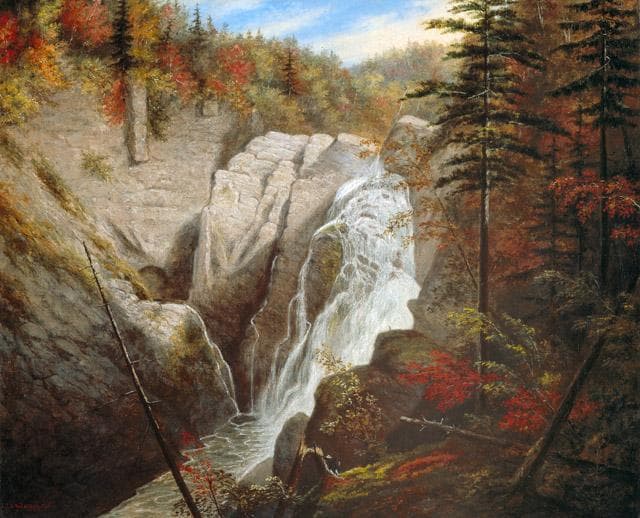
Canyon Sainte-Anne is a steep-sided gorge located east of Beaupré, Quebec, Canada, carved by the Sainte-Anne-du-Nord River. The canyon features a prominent 74-meter waterfall and is situated within the ancient geological formations of the Canadian Shield. It has been a site of natural and cultural interest, drawing visitors for its scenic beauty and recreational activities.

Marble Canyon
Marble Canyon is a dramatic gorge in the Canadian Rockies, British Columbia, carved by Tokumm Creek above its confluence with the Vermilion River. This narrow "box canyon" is characterized by immense boulders wedged across its fissure-like depths, creating a visually striking natural spectacle. Notably, Marble Canyon has gained significant scientific importance due to the discovery of a rich Cambrian fossil site, rivaling the nearby Burgess Shale in its abundance and preservation of soft-bodied organisms.
Painted Chasm
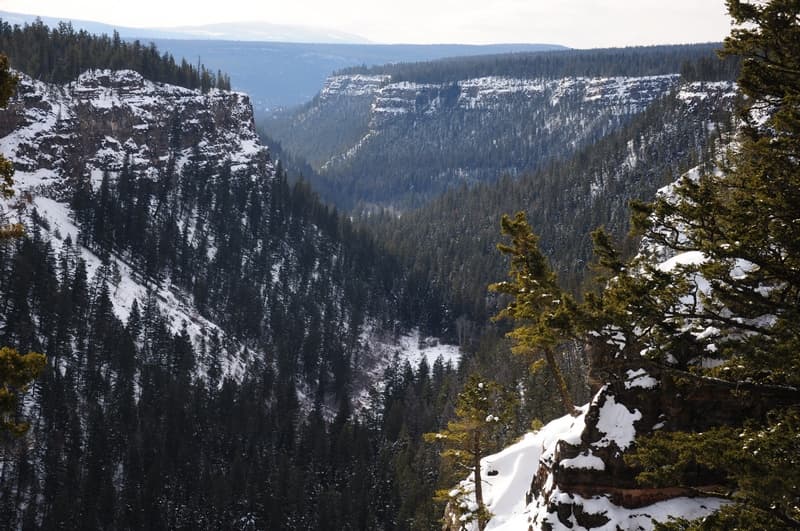
The Painted Chasm is a significant gorge located in British Columbia, Canada, within Chasm Provincial Park. Formed over 10 million years by glacial meltwaters eroding a lava plateau, its colorful walls display a range of red, brown, yellow, and purple hues. The chasm is a protected natural feature, preserving its geological history and supporting diverse wildlife.