
Painted Chasm
The Painted Chasm is a significant gorge located in British Columbia, Canada, within Chasm Provincial Park. Formed over 10 million years by glacial meltwaters eroding a lava plateau, its colorful walls display a range of red, brown, yellow, and purple hues. The chasm is a protected natural feature, preserving its geological history and supporting diverse wildlife.
Key Facts
- ›The chasm's walls exhibit colors such as red, brown, yellow, and purple.
- ›Average wall height is approximately 300 meters (980 ft).
- ›The chasm is about 600 meters (2,000 ft) wide.
- ›Its length is approximately 8 kilometers (5.0 MI).
- ›Formation occurred over 10 million years through glacial meltwater erosion of a lava plateau.
- ›Located near Clinton, British Columbia, within Chasm Provincial Park.
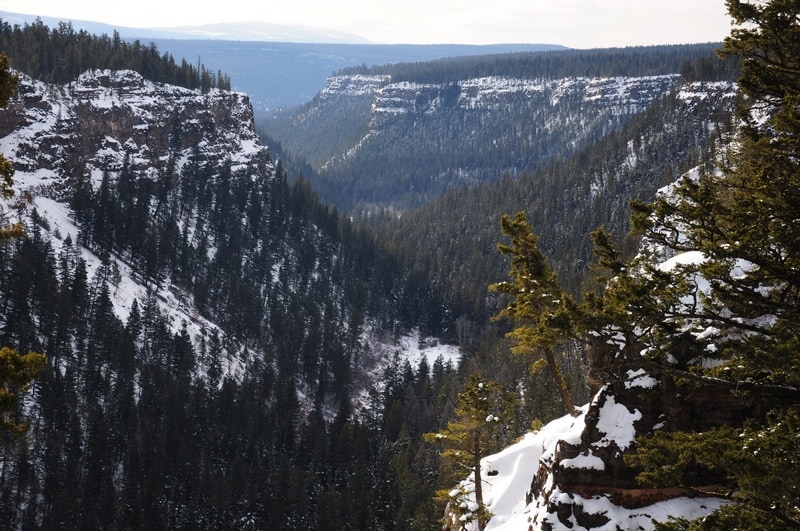
The Chasm
Glacial Erosion, River Erosion
Colorful Canyon Walls
Bighorn Sheep, Moose, Mule Deer, Black Bear, Coyote, Small Mammals, Songbirds, Birds of Prey
Ponderosa Pine, Marshes, Lakes
About Painted Chasm
The Painted Chasm, also known simply as The Chasm, is a prominent geological formation in British Columbia, Canada, celebrated for its striking beauty and geological significance. Located near the town of Clinton, it is the central feature of Chasm Provincial Park, which was established in 1940 to protect this natural wonder.
Geological Formation and Features
The chasm's formation is a testament to the power of natural erosion over immense timescales. It was carved over a span of 10 million years by the relentless action of melting glacial waters, which eroded a vast lava plateau. This prolonged process sculpted a gorge with impressive dimensions: average wall heights reach approximately 300 meters (980 ft), the width is around 600 meters (2,000 ft), and the length extends for about 8 kilometers (5.0 mi).
A defining characteristic of the Painted Chasm is the vibrant palette of its canyon walls. These geological strata display a rich array of colors, including tones of red, brown, yellow, and purple, a visual spectacle that gives the chasm its name.
Location and Surroundings
The chasm lies adjacent to the historic Cariboo Road and the Canadian National Railway line, placing it within a region of historical transportation significance. Chasm Provincial Park encompasses not only the chasm itself but also upland areas featuring ponderosa pine forests, as well as marshes and lakes, contributing to the park's ecological diversity.
Wildlife and Ecology
The park's varied habitats support a notable range of wildlife. Visitors may encounter bighorn sheep, moose, mule deer, and black bears. The area is also frequented by coyotes, various small mammals, and a diverse array of birdlife, including songbirds and birds of prey. The vegetation within the park includes ponderosa pine, with marshy areas and lakes adding to the ecosystem's richness.
Source: Wikipedia ↗
Frequently Asked Questions
How was the Painted Chasm formed?
The Painted Chasm was formed over a span of 10 million years by the erosive power of melting glacial waters. These waters carved into a lava plateau, gradually creating the deep gorge.
What are the dimensions of the Painted Chasm?
The chasm has an average wall height of about 300 meters (980 ft). It is approximately 600 meters (2,000 ft) wide and stretches for about 8 kilometers (5.0 mi) in length.
What kind of wildlife can be found in Chasm Provincial Park?
Chasm Provincial Park is home to a variety of wildlife. This includes bighorn sheep, moose, mule deer, black bears, coyotes, various small mammals, songbirds, and birds of prey.
What geological processes created the Painted Chasm?
The primary geological process responsible for the formation of the Painted Chasm is erosion by melting glacial waters. This occurred over a prolonged period of 10 million years, acting upon a lava plateau.
What are the notable geological features of the Painted Chasm?
The most striking geological feature of the Painted Chasm is its walls, which display a spectrum of colors including red, brown, yellow, and purple. These colorful strata are a result of the geological processes and rock types present.
Related Canyons
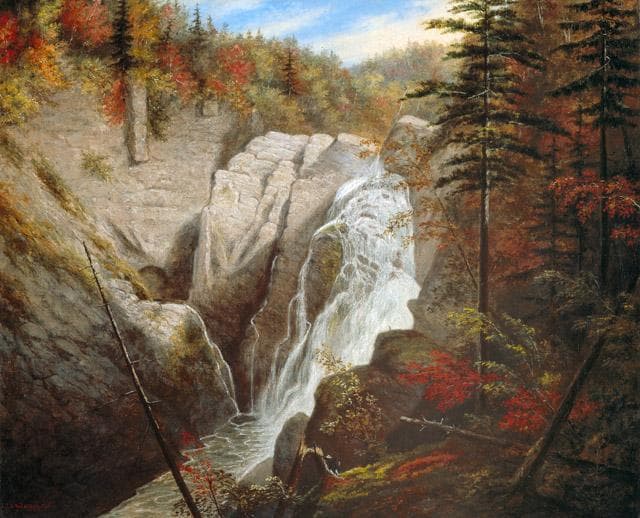
Canyon Sainte-Anne
Canyon Sainte-Anne is a steep-sided gorge located east of Beaupré, Quebec, Canada, carved by the Sainte-Anne-du-Nord River. The canyon features a prominent 74-meter waterfall and is situated within the ancient geological formations of the Canadian Shield. It has been a site of natural and cultural interest, drawing visitors for its scenic beauty and recreational activities.

Marble Canyon
Marble Canyon is a dramatic gorge in the Canadian Rockies, British Columbia, carved by Tokumm Creek above its confluence with the Vermilion River. This narrow "box canyon" is characterized by immense boulders wedged across its fissure-like depths, creating a visually striking natural spectacle. Notably, Marble Canyon has gained significant scientific importance due to the discovery of a rich Cambrian fossil site, rivaling the nearby Burgess Shale in its abundance and preservation of soft-bodied organisms.

Ouimet Canyon
Ouimet Canyon is a significant gorge located in northwestern Ontario, Canada, protected within Ouimet Canyon Provincial Park. It was formed by the splitting of a billion-year-old diabase sill, likely due to glacial activity and subsequent erosion by wind and rain. The canyon is notable for its depth, width, length, and the presence of rare alpine and arctic plants.