
Schöllenen Gorge
River Gorge·Switzerland·Mesozoic (Triassic/Jurassic sediments exposed)·Reuss
Schöllenen Gorge is a dramatic natural chasm carved by the upper Reuss river in the Swiss canton of Uri. It serves as a crucial access point to the Urseren valley and the major Alpine passes of St. Gotthard, Furka, and Oberalp. The gorge is characterized by sheer granite walls and has been engineered with numerous bridges and tunnels, most famously the Devil's Bridge, to facilitate passage.
Key Facts
- ›Located in the Swiss canton of Uri, between Andermatt and Göschenen.
- ›Provides access to the Urseren valley and the St. Gotthard, Furka, and Oberalp passes.
- ›Features sheer granite walls and is carved by the upper Reuss river.
- ›Known for the historic Teufelsbrücke (Devil's Bridge).
- ›The Urnerloch tunnel, built in 1707/08, was the first road tunnel in the Alps.
- ›Part of the route for the Schöllenenbahn rack railway.

Schöllenen
River Erosion
TeufelsbrüCke, Urnerloch Tunnel, TwäRrenbrüCke, Devil's Stone
Scalinae
About Schöllenen Gorge
Schöllenen Gorge is a significant natural chasm located in the Swiss canton of Uri, carved by the upper Reuss river. It lies between the villages of Andermatt to the south and Göschenen to the north, serving as a vital gateway to the Urseren valley and the major Alpine passes of St. Gotthard, Furka, and Oberalp. The gorge is defined by its sheer granite walls, presenting a formidable natural barrier that has necessitated remarkable feats of engineering to overcome.
Geology and Formation
The gorge is an exemplary late alpine fluvial water gap, where the Reuss river has cut through the crystalline Aar massif. The geological boundary of the Aar massif with the autochthonous sediment of the Gotthard nappe is present in the lower Urseren. Exposed in the Altkirch quarry at the southern end of the gorge are Triassic and Jurassic sediments, offering insights into the region's ancient geological history.
Historical Significance and Engineering
The name "Schöllenen" originates from the Rumantsch word "scalinae," meaning "stairs," indicating the gorge's early recognition as a challenging passage. By the mid-12th century, a difficult footpath, possibly aided by hewn steps, allowed passage. The strategic importance of the gorge was amplified around 1230 with the construction of a wooden bridge, which opened the Gotthard Pass and had considerable regional and political ramifications. This early passage evolved through various engineering stages, including the wooden ledge known as the Twärrenbrücke, and later the first Alpine road tunnel, the Urnerloch, completed in 1707/08. The iconic Teufelsbrücke (Devil's Bridge) has a history of both human construction, with a stone version built in 1595, and a rich folklore that developed around its perceived difficulty and the legend of its construction by the Devil.
Modern Passage
Schöllenen Gorge continues to be a critical transit route. It is traversed by the Schöllenenbahn, a rack railway, and modern road infrastructure, including bridges and tunnels, facilitates contemporary travel. While its role as a primary trans-Alpine route has somewhat diminished with the advent of larger tunnels like the Gotthard Road Tunnel, it remains a significant connection for regional transport and a testament to centuries of human endeavor in navigating the Swiss Alps.
Source: Wikipedia ↗
Frequently Asked Questions
How was Schöllenen Gorge formed?
Schöllenen Gorge was formed by the erosive power of the upper Reuss river. Geologically, it is considered an exemplary late alpine fluvial water gap where the Reuss enters the crystalline Aar massif.
What is the significance of the Devil's Bridge (Teufelsbrücke)?
The Devil's Bridge is the most famous bridge spanning Schöllenen Gorge. A legend, first recorded in the 16th century, attributes its construction to the Devil, though historical accounts point to human engineering efforts, including a stone bridge built in 1595.
What historical importance does Schöllenen Gorge hold?
The gorge has been strategically important for centuries, providing access to key Alpine passes. Its opening as a bridle path in the 13th century facilitated trade and had regional political consequences. It was also a site of battles during the French Revolutionary Wars.
What are some notable engineering feats in Schöllenen Gorge?
Notable engineering achievements include the wooden Twärrenbrücke, the first Alpine road tunnel (Urnerloch) built in 1707/08, and various bridges and tunnels for the Gotthard railway and modern roadways. The Schöllenenbahn rack railway also runs through the gorge.
Is Schöllenen Gorge accessible for travel?
Yes, Schöllenen Gorge is accessible via road and railway. Several bridges and tunnels have been constructed over centuries to allow passage, including the modern road and railway infrastructure.
Related Canyons

Coquihalla Canyon
Coquihalla Canyon is a provincial park in southwestern British Columbia, Canada, renowned for its dramatic gorge carved by the Coquihalla River. The canyon features the historic Othello Tunnels, a series of former railway tunnels that are now a popular recreational attraction. Its formation is attributed to the erosive power of the river acting upon granite batholiths, resulting in steep, fragmented walls and a narrow gorge.
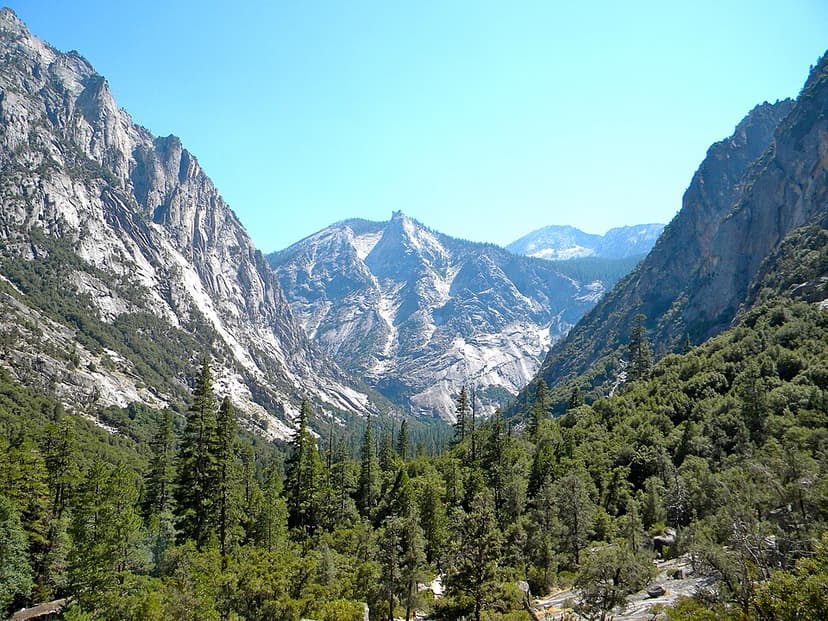
Kings Canyon
Kings Canyon is a rugged, glacier-carved valley in California's southern Sierra Nevada, renowned for its extreme vertical relief and natural beauty. Formed by Ice Age glaciations and subsequent river erosion, it is part of the larger Sequoia and Kings Canyon National Parks and is a significant protected wilderness area.
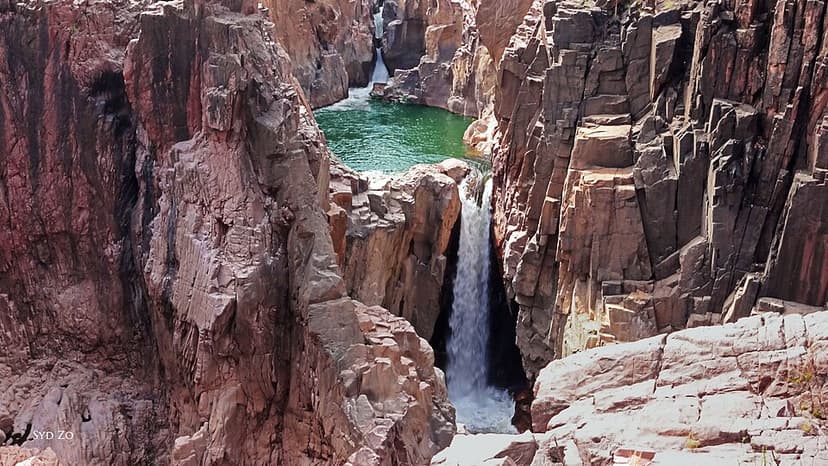
Raneh Falls
Raneh Falls is a natural cascade located on the Ken River in Khajuraho, Madhya Pradesh, India. The falls carve a striking 5-kilometer-long and 30-meter-deep canyon composed of crystalline granite in various colors, with both permanent and seasonal waterfalls. This geological wonder is situated near the Ken Gharial Sanctuary and is part of a gorge rich in igneous rocks. The area is a significant natural attraction, offering a unique display of geological formations and flowing water.