
Scripps Canyon
Scripps Canyon is a prominent submarine canyon located off the coast of Southern California, United States, extending approximately 1.6 km in length and joining La Jolla Canyon. Its vertical walls and rich marine life make it a significant site for both scientific research and recreational diving. The canyon features two eastward-extending branches, known as the Sumner and South branches, and has been a subject of extensive study since the mid-20th century.
Key Facts
- ›Approximately 1.6 km (1 mile) long.
- ›Features vertical walls and a high density of marine life.
- ›Includes two branches: Sumner and South branches.
- ›Located within the San Diego-Scripps Coastal Marine Conservation Area.
- ›Site of the SEALAB II project in 1965.
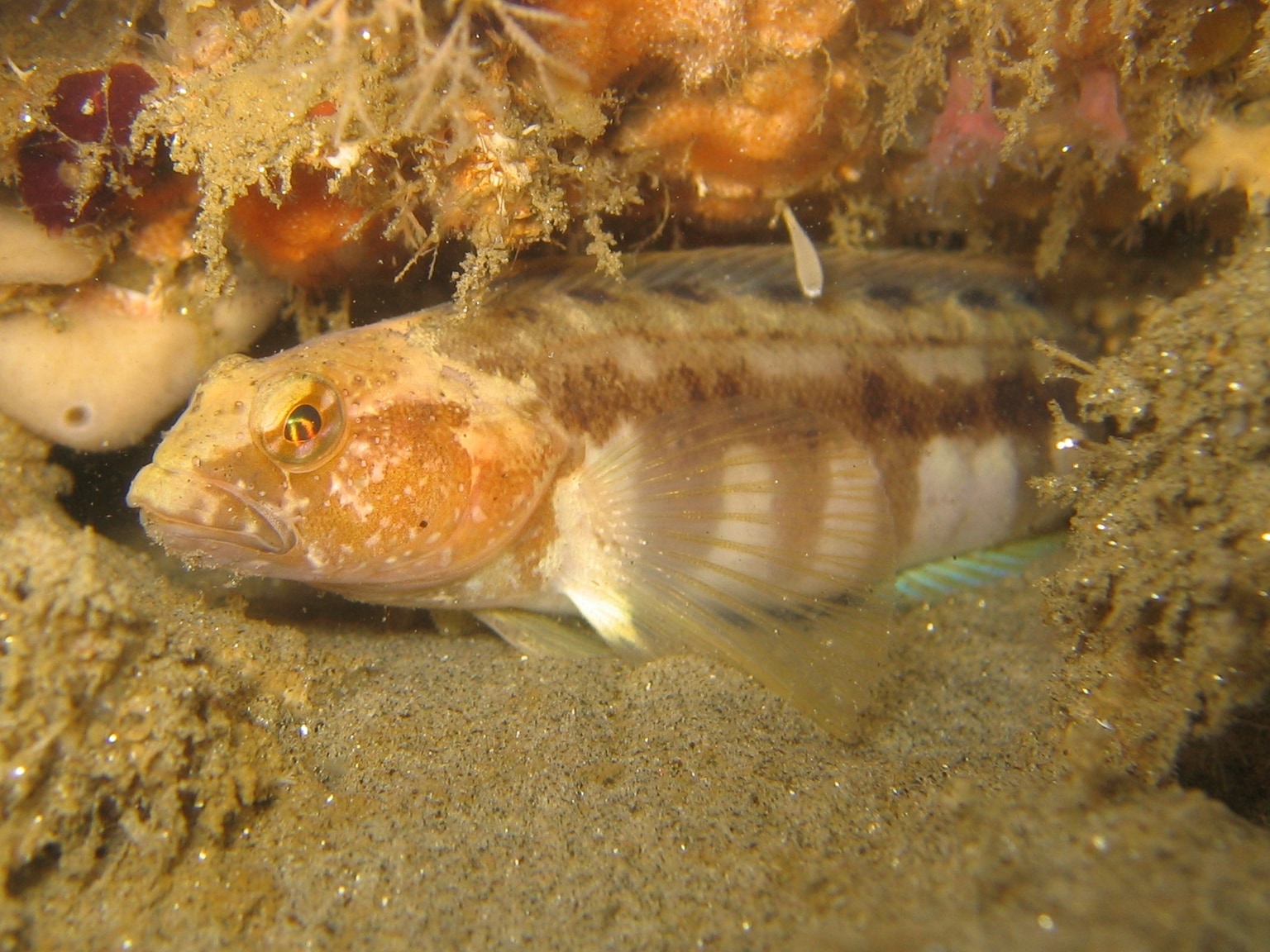
- ›Dominated by rockfish, including halfbanded and Sebastomus species.
River Erosion, Turbidity Currents, Canyon Erosion
Sumner Branch, South Branch, Vertical Walls
Gorgonia Corals, Kelp, Eel Grass, Blacksmith Fish, Sea Cucumbers, Sand Dollars, California Rockfish, Halfbanded Rockfish, Sebastomus Rockfish, Poacher, Sole, Lizardfish, Tuna Crabs, Swellsharks
Kelp, Eel Grass
About Scripps Canyon
Scripps Canyon is a significant submarine canyon located off the coast of Southern California, United States. It extends for approximately 1.6 kilometers (1 mile) and connects with La Jolla Canyon offshore. The canyon is characterized by its steep, vertical walls and a rich biodiversity, making it a highly valued site for both scientific investigation and recreational diving.
Geography and Characteristics
Situated near the Scripps Institution of Oceanography (SIO), Scripps Canyon benefits from extensive scientific study. It lies within the boundaries of the San Diego-Scripps Coastal Marine Conservation Area. The canyon features two distinct branches that extend eastward towards the coastline, identified in scientific literature as the Sumner Branch and the South Branch. These features contribute to the canyon's complex underwater topography and its role as a habitat for marine organisms.
Exploration and Research
The history of Scripps Canyon's exploration dates back to 1937 with the initial measurements taken by Francis Shepard. Comprehensive exploration began in 1946 when Frank Haymaker conducted dives to collect samples. The advent of SCUBA diving in the 1950s further facilitated research, allowing scientists like Dr. Edward Fager to conduct extensive sample collection from 1956 to 1973. A notable historical event was the SEALAB II project in 1965, which involved divers living in a submersible habitat at a depth of 62 meters (205 feet) for extended periods. In the 1970s and 1980s, the canyon was a focal point for physical oceanography research, examining processes such as turbidity currents, erosion, and sediment resuspension.
Marine Life
Scripps Canyon is recognized for its high density of marine life. Early photographic surveys revealed a variety of organisms, including gorgonia corals, pholad borings, kelp, eelgrass, blacksmith fish, sea cucumbers, sand dollars, and California rockfish. A 2016 study highlighted distinct patterns in demersal fish distribution, with rockfish, particularly the halfbanded rockfish (Sebastes semicinctus) and Sebastomus, being dominant. Other commonly observed fish include poacher, sole, and lizardfish. In April 2024, large numbers of tuna crabs were sighted, though the cold waters led to mass die-offs and crabs washing ashore. Scripps Canyon is also considered a native habitat for swellsharks.
Source: Wikipedia ↗
Frequently Asked Questions
What geological processes formed Scripps Canyon?
Scripps Canyon is a submarine canyon, meaning it was formed by geological processes occurring underwater. Research has focused on water-sediment interactions, such as turbidity currents and canyon erosion, which are key to understanding its formation and ongoing development.
What kind of marine life can be found in Scripps Canyon?
The canyon is known for its high density of marine life. Early explorations documented gorgonia corals, kelp, eelgrass, blacksmith fish, sea cucumbers, sand dollars, and California rockfish. More recent studies indicate a dominance of rockfish, particularly halfbanded and Sebastomus species, with other common fish including poacher, sole, and lizardfish. Tuna crabs have also been observed, and swellsharks consider it a native habitat.
Is Scripps Canyon a popular spot for diving?
Yes, Scripps Canyon is a popular site for both scientific and recreational diving. Its vertical walls and abundant marine life make it an attractive location for underwater exploration and study.
When was Scripps Canyon first explored?
Initial measurements of Scripps Canyon were taken in 1937 using lead-line soundings. More extensive explorations began in October 1946 with Frank Haymaker using a helmet-and-airhose setup, and later in the 1950s with the introduction of SCUBA diving.
Has Scripps Canyon been used for scientific projects?
Scripps Canyon has been a site for significant scientific projects. Notably, it hosted the SEALAB II project in 1965, where divers lived in a submersible habitat. The canyon has also been a focus for physical oceanography research, particularly concerning water-sediment interactions.
Related Canyons

Avilés Canyon
The Avilés Canyon is a significant submarine canyon system located off the coast of Asturias, Spain, in the Cantabrian Sea. As part of the larger Avilés Canyon System, it extends for approximately 75 kilometers and plunges to depths of nearly 5 kilometers, positioning it among the deepest on the planet. This deep-sea environment is a recognized biodiversity hotspot, supporting a rich array of marine life, including various whale species, numerous starfish, and ancient cold-water coral reefs.
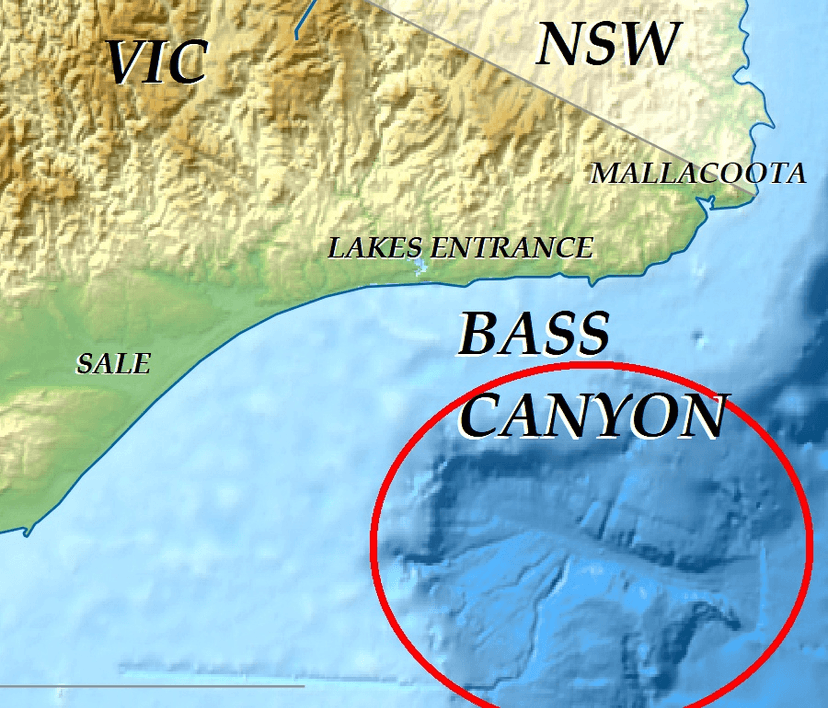
Bass Canyon
Bass Canyon is a vast submarine canyon system located off the coast of eastern Victoria, Australia, in Bass Strait. It is one of the deepest and largest submarine canyons globally, extending over 160 kilometers and reaching depths exceeding 3,000 meters. Its formation is attributed to complex erosional processes involving sediment gravity flows and tectonic activity, with evidence suggesting it has evolved over millions of years.

Bering Canyon
Bering Canyon is the longest submarine canyon in the Bering Sea, stretching approximately 400 km across the continental shelf and slope. It is bordered by the Aleutian Islands to the east and culminates in a submarine channel-lobe system at the Aleutian Basin. Its immense length gives it the largest area among the Bering Sea canyons, despite being narrower at the shelf break than some others.