
Atlantic spotted dolphin
The Atlantic spotted dolphin is a medium-sized dolphin inhabiting warm temperate and tropical waters of the Atlantic Ocean. It is distinguished by its unique spotted coloration, which develops and changes significantly as the dolphin matures through different age-dependent phases. These highly social animals are known for their cooperative hunting strategies and complex vocalizations.
Key Facts
- ›Coloration develops from plain gray-white in calves to heavily spotted in adults.
- ›Adults can reach lengths of over 2.2 meters and weigh up to 140 kg.
- ›They form complex social groups, often mixing with common bottlenose dolphins.
- ›Atlantic spotted dolphins are cooperative hunters, preying on fish, invertebrates, and squid.
- ›They can dive to depths of up to 60 meters and remain submerged for up to 10 minutes.
- ›The species is classified as Least Concern by the IUCN.

- Calves: Uniform Gray-White, One Or No Spots
- Juveniles: Speckling, Then Mottled With Merging Gray and White Spots Dorsally, Black Spots Ventrally
- Adults: Fused Pattern With Dense, Spread Spots, Appearing Black With White Spots
Small Fish, Benthic Invertebrates, Cephalopods
Warm Temperate Waters, Tropical Waters, Atlantic Ocean, Western End of the Gulf Stream, Gulf of Mexico, Mesopelagic Layer
- Extremely Gregarious
- Form Complex Social Groups
- Cooperative Hunters
- Fast Swimmers
- Bow-Riding
- Long, Shallow Leaping
- Protective of Pregnant Females
- Calf Care Up To 5 Years With Pod Help
- Aggression Displays Include Biting and Chasing and Display Behaviors
Atlantic Ocean, Western Gulf Stream, Gulf of Mexico, Azores, Canary Islands, Cape Cod, Southwestern Spain, Rio Grande Do Sul, West Africa
- Distinctive Spotted Coloration That Varies With Age
- More Robust Build Compared To the Pantropical Spotted Dolphin
About Atlantic spotted dolphin
The Atlantic spotted dolphin (Stenella frontalis) is a medium-sized cetacean found in the warm temperate and tropical waters of the Atlantic Ocean. Its most distinctive feature is its coloration, which evolves dramatically throughout its life. Calves are born a plain gray-white, gradually developing speckles, then a mottled pattern, and finally a heavily spotted appearance as adults, often seeming black with white markings. This species is known for its highly social nature and complex group behaviors.
Description and Behavior
Adult Atlantic spotted dolphins typically reach lengths of over 2.2 meters and can weigh up to 140 kg. They are more robust in build than their close relatives, the pantropical spotted dolphin. These dolphins are extremely gregarious, frequently forming social groups of 5 to 15 individuals, and often mixing with common bottlenose dolphins. They are adept swimmers, known for their bow-riding and leaping behaviors. Their reproductive cycle involves a gestation period of approximately 11 months, with mothers receiving significant support from their pod in caring for their calves for up to five years.
Diet and Hunting
Atlantic spotted dolphins are cooperative hunters that actively hunt in groups, primarily at night. Their diet consists mainly of small fish, benthic invertebrates, and cephalopods like squid. They employ strategic encirclement tactics to capture their prey. These dolphins are capable of diving to depths of up to 60 meters and can remain submerged for as long as 10 minutes.
Distribution and Conservation
This species is endemic to the Atlantic Ocean's temperate and tropical zones. Key areas of observation include the western Gulf Stream between Florida and Bermuda, and the Gulf of Mexico. Sightings have also been recorded in the Azores, Canary Islands, and as far north as Cape Cod. While precise population figures are challenging to ascertain due to similarities with other dolphin species, a conservative estimate places the population at around 100,000 individuals. The Atlantic spotted dolphin is classified as Least Concern by the IUCN, indicating that it is not currently facing a high risk of extinction. While they have some habituation to human interaction in certain areas, and can be occasional targets of fishermen or caught in nets, these factors are not considered major threats to the species' overall survival.
Source: Wikipedia ↗
Frequently Asked Questions
What is the typical coloration of an Atlantic spotted dolphin?
The coloration of the Atlantic spotted dolphin changes dramatically with age. Calves are born a uniform gray-white with few to no spots. As they mature, they develop speckles, then a mottled pattern with merging spots, and finally a fused pattern where spots become dense and spread across the body, making the adult appear black with white spots.
How large do Atlantic spotted dolphins get?
Atlantic spotted dolphins are medium-sized cetaceans. Newborn calves measure about 89–109 cm in length. Adults can reach lengths of up to 2.26 meters for males and 2.29 meters for females, with males weighing up to 140 kg and females up to 130 kg.
What do Atlantic spotted dolphins eat?
These dolphins are cooperative hunters and their diet primarily consists of small fish, benthic invertebrates, and cephalopods such as squid. They hunt in groups, strategically encircling their prey, often at night.
Where are Atlantic spotted dolphins found?
The species is endemic to the temperate and tropical regions of the Atlantic Ocean. They are commonly observed in the western Gulf Stream between Florida and Bermuda, in the Gulf of Mexico, and have been sighted as far east as the Azores and Canary Islands, and as far north as Cape Cod.
Are Atlantic spotted dolphins social?
Yes, Atlantic spotted dolphins are extremely gregarious animals. They gather in complex social groups that typically consist of 5 to 15 individuals, and they often form mixed groups with common bottlenose dolphins. The pod is also known to be highly protective of pregnant females.
What is the conservation status of the Atlantic spotted dolphin?
The Atlantic spotted dolphin is listed as Least Concern on the IUCN Red List. While they are occasionally targeted by fishermen and can become entangled in gill nets, these activities are not currently believed to be a significant threat to the species' survival.
Related Cetacean species

Atlantic white-sided dolphin
The Atlantic white-sided dolphin is a medium-sized dolphin inhabiting the cool to temperate waters of the North Atlantic Ocean. It is distinguished by a unique white to pale-yellow patch behind its dorsal fin, a feature that sets its coloration apart from other pelagic cetaceans. These dolphins are social, often found in large pods, and are known for their acrobatic displays and interaction with boats.

Australian humpback dolphin
The Australian humpback dolphin (Sousa sahulensis) is a species of humpback dolphin found in the waters of northern Australia and southern New Guinea, specifically around the Sahul Shelf. It is distinguished from other humpback dolphin species by its lower, wider dorsal fin, its dark gray coloration with a distinctive cape-like marking, and its dentition and vertebral count. Despite being scientifically described in 2014, this vulnerable species faces significant threats from habitat destruction and human activities.
Australian snubfin dolphin
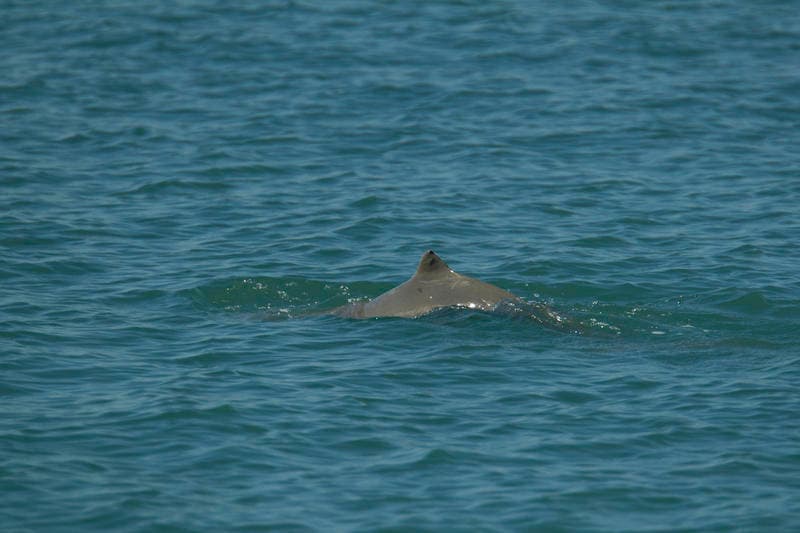
The Australian snubfin dolphin (Orcaella heinsohni) is a distinct dolphin species found along the northern coasts of Australia, scientifically described in 2005. It is distinguished from its close relative, the Irrawaddy dolphin, by its three-toned coloration, a rounded forehead, and a very small dorsal fin. This species is endemic to Australia and faces significant threats from human activities.