
Ceratozamia kuesteriana
Steep slopes in pine-oak dominated cloud forests.
Ceratozamia kuesteriana is a cycad species native to the Sierra Madre Oriental of Mexico, specifically found in cloud forests of southern Tamaulipas. This species is characterized by its restriction to steep slopes within pine-oak ecosystems and faces significant threats from habitat loss and illegal collection, with its wild population estimated to be very small.
Key Facts
- ›Endemic to the Sierra Madre Oriental of Mexico.
- ›Found in cloud forests on steep slopes.
- ›Associated with pine-oak dominated ecosystems.
- ›Threatened by habitat loss and illegal collecting.
- ›Total wild population estimated at no more than 300 plants.

Mexico
Habitat Loss, Collecting
About Ceratozamia kuesteriana
Ceratozamia kuesteriana is a species of cycad belonging to the Zamiaceae family. It is a plant that is endemic to a very specific region within Mexico, making its geographical distribution quite limited.
Distribution and Habitat
This cycad is exclusively found in the Sierra Madre Oriental mountain range. Its habitat is characterized by steep slopes within cloud forests that are dominated by pine and oak trees. Specifically, it is known to occur between the towns of Gómez Farías and Tula in the southern part of the state of Tamaulipas. This restricted ecological niche makes the species particularly vulnerable to environmental changes.
Conservation Status and Threats
Ceratozamia kuesteriana faces significant threats to its survival in the wild. The primary dangers are habitat loss, which reduces the available area for the species to grow and reproduce, and illegal collecting, where plants are removed from their natural environment, often for the horticultural trade. These pressures have led to a critically low population size. The total number of wild plants is estimated to be no more than 300 individuals, underscoring the urgent need for conservation efforts to protect this unique cycad species.
Source: Wikipedia ↗
Frequently Asked Questions
Where is Ceratozamia kuesteriana found?
Ceratozamia kuesteriana is found in the Sierra Madre Oriental of Mexico. It is specifically restricted to steep slopes within pine-oak dominated cloud forests in southern Tamaulipas, between Gómez Farías and Tula.
What are the main threats to Ceratozamia kuesteriana?
The primary threats to Ceratozamia kuesteriana are habitat loss and illegal collecting. These pressures have significantly impacted its natural population.
How many Ceratozamia kuesteriana plants are estimated to be in the wild?
The total wild population of Ceratozamia kuesteriana is believed to number no more than 300 plants. This low number highlights the species' vulnerable status.
Related Cycad species
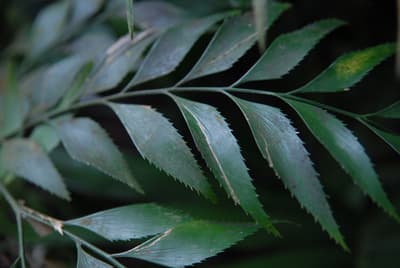
Bowenia serrulata
Bowenia serrulata, commonly known as the Byfield fern, is a unique cycad species belonging to the Stangeriaceae family. Despite its fern-like appearance due to its bipinnate fronds, it is botanically classified as a cycad. This species is endemic to a small region near Byfield, Australia.

Bowenia spectabilis
Bowenia spectabilis is a striking cycad species native to the rainforests of northeastern Queensland, Australia. Known for its unique, fern-like foliage, this species thrives in moist lowland forests and sheltered slopes. Its subterranean, yam-like rhizome has historically been utilized as a food source by Indigenous Australians.
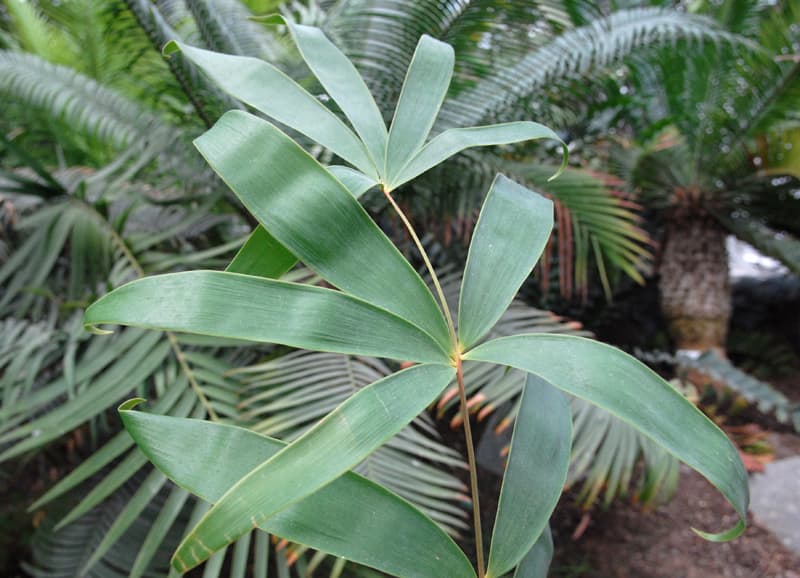
Ceratozamia hildae
Ceratozamia hildae, commonly known as the Bamboo Cycad, is a species native to Mexico, thriving in moist, humid tropical forests. It is distinguished by its long, papery leaves that cluster at nodes, giving it a bamboo-like appearance, and an underground stem that initially develops a branched root system before producing above-ground stems.