
Ceratozamia mexicana
Subtropical or tropical moist lowland forests and subtropical or tropical moist montane forests.
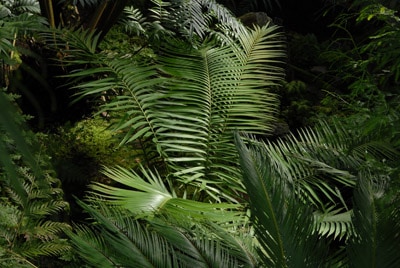
Ceratozamia mexicana is a cycad species native to several states in Mexico, thriving in moist lowland and montane forests. It belongs to the Zamiaceae family and is characterized by its adaptation to specific subtropical and tropical forest environments. The species faces threats primarily from habitat loss within its natural range.
Key Facts
- ›Endemic to Hidalgo, Puebla, Querétaro, San Luis Potosí, and Veracruz states in Mexico.
- ›Inhabits subtropical or tropical moist lowland and montane forests.
- ›Belongs to the Zamiaceae family.
- ›Threatened by habitat loss.
- ›A species of plant within the cycad group.
Hidalgo, Mexico, Puebla, Mexico, QueréTaro, Mexico, San Luis Potosí, Mexico, Veracruz, Mexico
Habitat Loss
About Ceratozamia mexicana
Ceratozamia mexicana is a species of plant belonging to the Zamiaceae family. It is a cycad native to Mexico, specifically found in the states of Hidalgo, Puebla, Querétaro, San Luis Potosí, and Veracruz. The plant is adapted to thrive in humid forest environments, preferring subtropical or tropical moist lowland forests as well as montane forests.
Conservation and Habitat
The natural habitats of Ceratozamia mexicana are characterized by their moisture and are located in specific lowland and montane forest regions of Mexico. Unfortunately, the species is currently facing significant threats, with habitat loss being the primary concern. This loss of its natural environment poses a risk to the long-term survival of Ceratozamia mexicana in the wild.
Source: Wikipedia ↗
Frequently Asked Questions
Where is Ceratozamia mexicana found naturally?
Ceratozamia mexicana is naturally found in the Mexican states of Hidalgo, Puebla, Querétaro, San Luis Potosí, and Veracruz. Its presence is restricted to these specific regions within Mexico.
What kind of habitats does Ceratozamia mexicana prefer?
This cycad species thrives in subtropical or tropical moist lowland forests and subtropical or tropical moist montane forests. These environments provide the necessary conditions for its survival.
What is the primary threat to Ceratozamia mexicana?
The most significant threat to Ceratozamia mexicana is habitat loss. This loss of its natural environment directly impacts the species' ability to survive and reproduce.
What botanical family does Ceratozamia mexicana belong to?
Ceratozamia mexicana is a member of the Zamiaceae family. This family includes many other species of cycads.
Related Cycad species
Bowenia serrulata
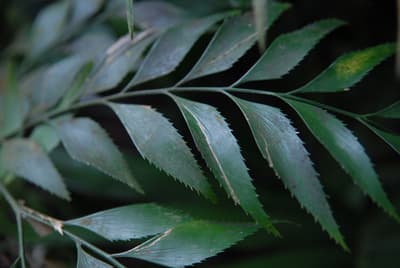
Bowenia serrulata, commonly known as the Byfield fern, is a unique cycad species belonging to the Stangeriaceae family. Despite its fern-like appearance due to its bipinnate fronds, it is botanically classified as a cycad. This species is endemic to a small region near Byfield, Australia.

Bowenia spectabilis
Bowenia spectabilis is a striking cycad species native to the rainforests of northeastern Queensland, Australia. Known for its unique, fern-like foliage, this species thrives in moist lowland forests and sheltered slopes. Its subterranean, yam-like rhizome has historically been utilized as a food source by Indigenous Australians.
Ceratozamia hildae
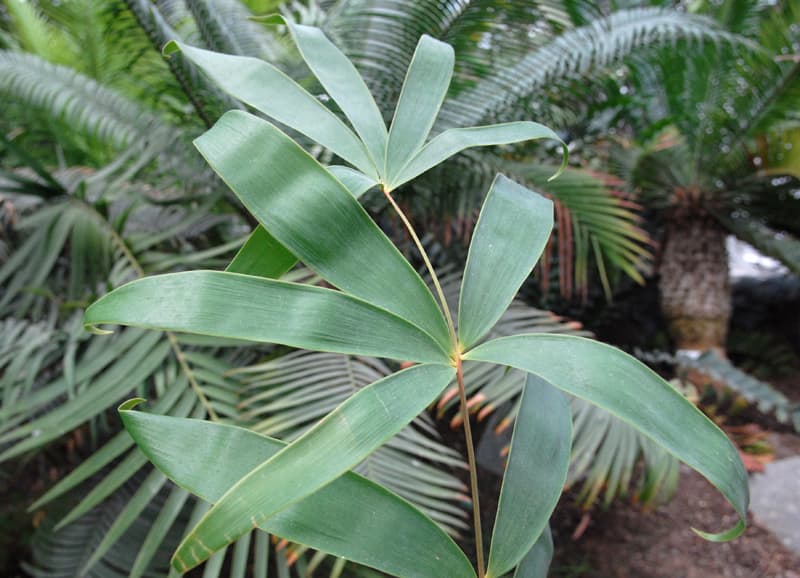
Ceratozamia hildae, commonly known as the Bamboo Cycad, is a species native to Mexico, thriving in moist, humid tropical forests. It is distinguished by its long, papery leaves that cluster at nodes, giving it a bamboo-like appearance, and an underground stem that initially develops a branched root system before producing above-ground stems.