
Ceratozamia mirandae
Slopes of the Sierra Madre de Chiapas and Sierra de Niltepec.
Ceratozamia mirandae is a species of cycad native to the Mexican states of Chiapas and Oaxaca, specifically found on the slopes of the Sierra Madre de Chiapas and Sierra de Niltepec. This cycad is characterized by its endemic status to this particular region of Mexico.
Key Facts
- ›Endemic to Chiapas and Oaxaca, Mexico.
- ›Found on the slopes of the Sierra Madre de Chiapas and Sierra de Niltepec.
- ›Belongs to the Zamiaceae family.
- ›Its specific location is near La Tigria (La Tigrilla).
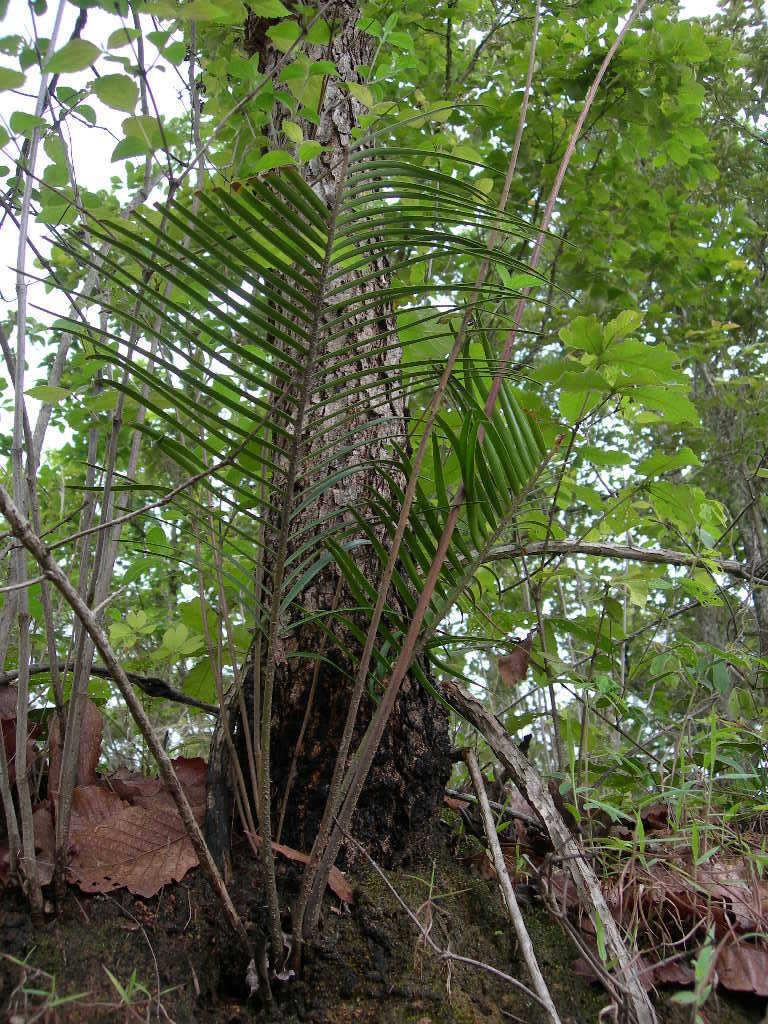
Chiapas, Mexico, Oaxaca, Mexico
About Ceratozamia mirandae
Ceratozamia mirandae is a species of cycad that holds a specific and limited place within the plant kingdom. It is exclusively found in the Mexican states of Chiapas and Oaxaca, a testament to its endemic nature. This particular cycad thrives on the elevated slopes of the Sierra Madre de Chiapas and the Sierra de Niltepec, with documented occurrences near a locality known as La Tigria (La Tigrilla).
Botanical Classification
As a member of the Zamiaceae family, Ceratozamia mirandae shares characteristics with a diverse group of ancient plants often referred to as living fossils. The Zamiaceae family is one of the two families that constitute the order Cycadales. While detailed botanical descriptions of Ceratozamia mirandae's specific growth form, leaf structure, or reproductive organs are not detailed in available records, its classification within this family places it among plants with distinctive foliage and cone structures.
Source: Wikipedia ↗
Frequently Asked Questions
Where is Ceratozamia mirandae found?
Ceratozamia mirandae is endemic to the Mexican states of Chiapas and Oaxaca. It can be found on the slopes of the Sierra Madre de Chiapas and Sierra de Niltepec, in the vicinity of La Tigria (La Tigrilla).
What is the family of Ceratozamia mirandae?
Ceratozamia mirandae belongs to the Zamiaceae family, a group of plants commonly known as cycads.
Is Ceratozamia mirandae found outside of Mexico?
No, Ceratozamia mirandae is endemic to Mexico, meaning it is found naturally only in this specific geographic region.
Related Cycad species
Bowenia serrulata
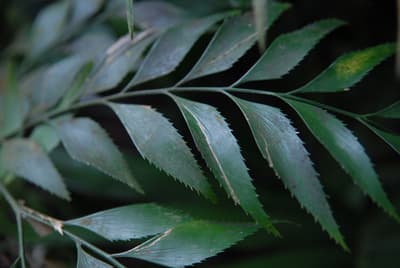
Bowenia serrulata, commonly known as the Byfield fern, is a unique cycad species belonging to the Stangeriaceae family. Despite its fern-like appearance due to its bipinnate fronds, it is botanically classified as a cycad. This species is endemic to a small region near Byfield, Australia.

Bowenia spectabilis
Bowenia spectabilis is a striking cycad species native to the rainforests of northeastern Queensland, Australia. Known for its unique, fern-like foliage, this species thrives in moist lowland forests and sheltered slopes. Its subterranean, yam-like rhizome has historically been utilized as a food source by Indigenous Australians.
Ceratozamia hildae
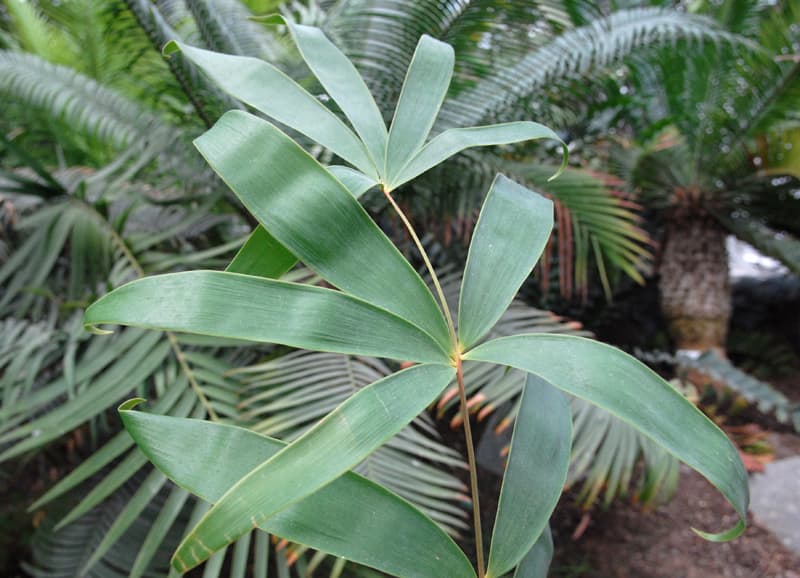
Ceratozamia hildae, commonly known as the Bamboo Cycad, is a species native to Mexico, thriving in moist, humid tropical forests. It is distinguished by its long, papery leaves that cluster at nodes, giving it a bamboo-like appearance, and an underground stem that initially develops a branched root system before producing above-ground stems.