
Macrozamia johnsonii
The specific habitat details for Macrozamia johnsonii are not extensively documented, but as an Australian endemic cycad, it likely thrives in varied environments within New South Wales.·Likely arborescent or shrub-like, typical of the Macrozamia genus.
Macrozamia johnsonii is a species of cycad native to New South Wales, Australia, belonging to the Zamiaceae family. Little is detailed about its specific botanical features beyond its classification, but as a cycad, it likely exhibits characteristics typical of the group, such as stiff, pinnate leaves and distinct male and female reproductive structures.
Key Facts
- ›Species: Macrozamia johnsonii
- ›Family: Zamiaceae
- ›Native to: New South Wales, Australia
- ›Endemic to Australia
- ›Belongs to the cycad group of plants
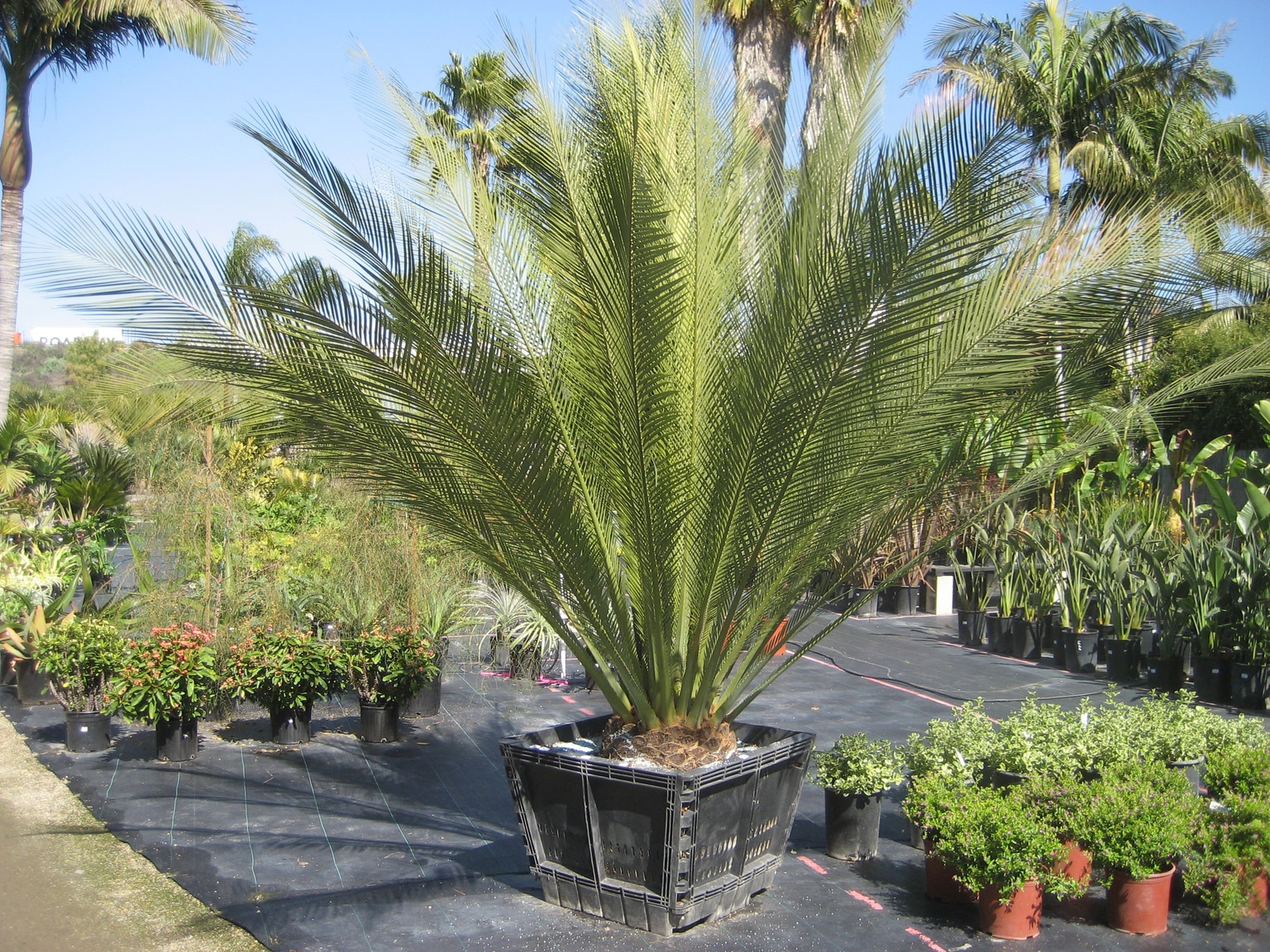
New South Wales, Australia
- As a cycad, it is expected to have pinnate leaves, which are feather-like in appearance, though specific details for this species are not provided.
- As a member of the Zamiaceae family, Macrozamia johnsonii would produce cones, with separate male and female cones typically found on different plants.
About Macrozamia johnsonii
Macrozamia johnsonii is a species of cycad belonging to the Zamiaceae family. This plant is endemic to New South Wales, Australia, meaning its natural distribution is exclusive to this region.
As a member of the cycad group, Macrozamia johnsonii shares characteristics with an ancient lineage of seed-bearing plants. While detailed descriptions of its specific botanical features are limited in available records, it is understood to possess typical cycad traits. These often include stiff, pinnate leaves and the presence of distinct male and female reproductive cones, usually found on separate individuals. The Zamiaceae family itself is diverse, encompassing many species known for their robust, often trunk-like stems and crown of foliage.
Source: Wikipedia ↗
Frequently Asked Questions
What is Macrozamia johnsonii?
Macrozamia johnsonii is a species of cycad. Cycads are an ancient group of seed-producing plants that resemble palm trees but are botanically distinct.
Where does Macrozamia johnsonii grow naturally?
This cycad species is endemic to New South Wales, Australia. This means it is found naturally only in this specific region.
What botanical family does Macrozamia johnsonii belong to?
Macrozamia johnsonii is classified within the Zamiaceae family. This family includes many well-known cycad species.
Related Cycad species

Encephalartos horridus
Encephalartos horridus, commonly known as the Eastern Cape blue cycad, is a distinctive, low-growing cycad native to the Eastern Cape Province of South Africa. It is recognized for its striking blue-gray, spiny leaves and typically develops a subterranean stem. This species thrives in arid shrublands and rocky ridges, exhibiting a slow growth rate and requiring specific conditions for successful cultivation.
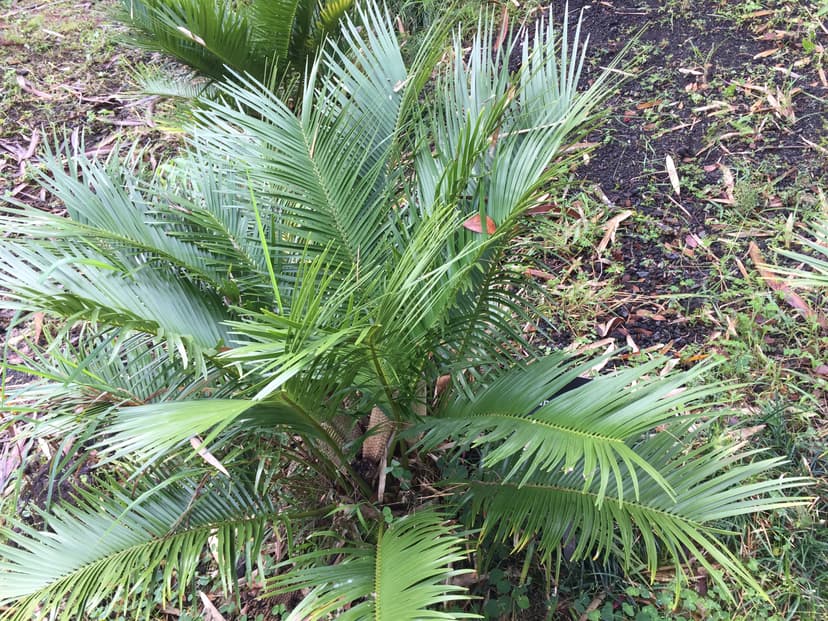
Zamia inermis
Zamia inermis is a critically endangered cycad species native to Actopan, Veracruz, Mexico. It is characterized by its shrub-like growth, with a trunk that can be branched and upright leaves composed of numerous linear-lanceolate leaflets. This species is dioecious and faces significant threats from habitat loss, wildfires, and over-harvesting.

Encephalartos dolomiticus
Encephalartos dolomiticus, commonly known as the Wolkberg cycad, is a critically endangered cycad species native to the Wolkberg region of South Africa. This tree-like cycad typically grows up to 2 meters tall and is characterized by its distinctive bluish leaves forming a crown, with lance-shaped leaflets arranged oppositely along the rachis. It is a dioecious species, producing separate male and female cones.