
Zamia pygmaea
Open, dry habitats varying from serpentine to limestone outcrops to almost pure sand; dry brush covered hills, pine covered tropical grassland, tropical dry forest and tropical coastal areas of white sand.·Subterranean stem with a small crown of leaves.·Critically Endangered
Zamia pygmaea is recognized as the smallest living cycad species, endemic to Cuba. This critically endangered plant is characterized by its diminutive size, often reaching only 25 cm in height, and typically grows in harsh, open, dry habitats. Its unique botanical features include a short underground stem and stiff, arching leaves with rounded leaflets.
Key Facts
- ›Smallest living cycad species.
- ›Endemic to Cuba, found in western Cuba and Isla de la Juventud.
- ›Critically Endangered on the IUCN Red List.
- ›Grows in open, dry habitats like serpentine and limestone outcrops, and sandy areas.
- ›Possesses a short, underground stem and stiff, arching leaves with rounded leaflets.
- ›Threatened by habitat loss, agricultural expansion, and direct harvesting.
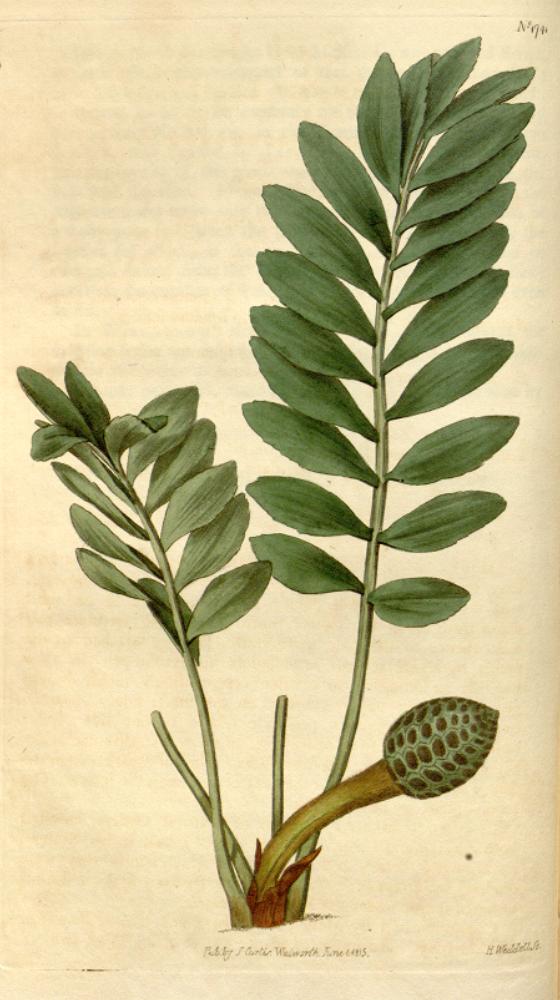
GuáYiga, Guayra, Guayará, Guayaro, Yuquilla De ParedóN, Yuquilla De RatóN, Red Dwarf Cycad
Cuba, Western Cuba, Isla De La Juventud
Small hypogeal stem, up to 2 cm in diameter, Short underground trunk
- Short, stiff, slightly arching leaves
- Rounded leaflets
- Compound leaves, one to four in number in native habitat, up to twenty in cultivation
- Smooth petioles and rachis
- Five to fifteen pairs of ovate leaflets in native habitat, more pairs in cultivation
Dark reddish brown, pedunculate pollen cones, Dark reddish brown to gray seed cones
Ovoid, Red To Orange-Red In Colour
Direct Harvest From the Wild, Farming and Ranching, Agricultural Expansion, Intensification, Deforestation, Habitat Loss, Habitat Fragmentation
About Zamia pygmaea
Zamia pygmaea: The Smallest Cycad
Zamia pygmaea is a species of plant recognized as the smallest living cycad, endemic to the island of Cuba. This diminutive species is found exclusively in western Cuba and on Isla de la Juventud, where it inhabits open, dry environments. Its natural habitat includes serpentine and limestone outcrops, as well as areas with nearly pure sand, and it can be found from sea level up to 200 meters in elevation.
Botanical Characteristics and Conservation
The plant is characterized by a short, underground stem, typically no more than 2 cm in diameter, from which a small crown of leaves emerges. These leaves are short, stiff, and slightly arching, featuring rounded leaflets. In its native, harsh environment, a plant usually bears one to four compound leaves, but in cultivation, it can develop up to twenty leaves. Zamia pygmaea produces dark reddish-brown pollen cones and seed cones that range from dark reddish-brown to gray. The seeds are ovoid and colored red to orange-red.
Conservation Status and Threats
Zamia pygmaea is listed as Critically Endangered on the IUCN Red List. Its precarious status is attributed to its limited geographic distribution, severely fragmented habitat, and an estimated population of fewer than 250 mature individuals. Major threats to its survival include direct harvesting from the wild, habitat loss and fragmentation due to agricultural expansion, farming, ranching, and deforestation. Protective measures are in place in the San Ubaldo-Sabanalamar Ecological Reserve and the Los Indios Ecological Reserve in Cuba.
Source: Wikipedia ↗
Frequently Asked Questions
What is Zamia pygmaea known for?
Zamia pygmaea is renowned for being the smallest living cycad species. It is a critically endangered plant found exclusively in Cuba, characterized by its diminutive size and adaptation to dry, open habitats.
Where is Zamia pygmaea found naturally?
This species is endemic to Cuba, specifically limited to the western regions of the island and Isla de la Juventud. It thrives in diverse dry environments, including serpentine and limestone outcrops, and areas with nearly pure sand.
What are the main threats to Zamia pygmaea?
The primary threats to Zamia pygmaea include direct harvesting from the wild, habitat loss and fragmentation due to agricultural expansion (farming and ranching), and deforestation. The population of mature individuals is estimated to be fewer than 250.
What are some common names for Zamia pygmaea?
Common names for Zamia pygmaea include guáyiga, guayra, guayará, and guayaro, which are generic terms for Zamia cycads in Cuba. Other names used are yuquilla de paredón and yuquilla de ratón, referencing its poisonous nature. It has also been referred to as the red dwarf cycad.
How large does Zamia pygmaea typically grow?
Zamia pygmaea is the smallest living cycad, with some individuals found to have grown to a height of only 25 cm (10 inches). It forms a short underground trunk and a small crown of leaves.
What is the conservation status of Zamia pygmaea?
Zamia pygmaea is listed as critically endangered on the IUCN Red List. This status is due to its limited distribution, severely fragmented habitat, and a small population size of less than 250 mature individuals.
Related Cycad species

Zamia montana
Zamia montana is a critically endangered cycad species endemic to the Antioquia Department of Colombia. Found in subtropical or tropical moist montane forests, this species is characterized by its extreme rarity and the significant threats posed by logging activities within its natural habitat. The species faces a high risk of extinction, with its only known population located in an area that has undergone recent logging.
Zamia inermis
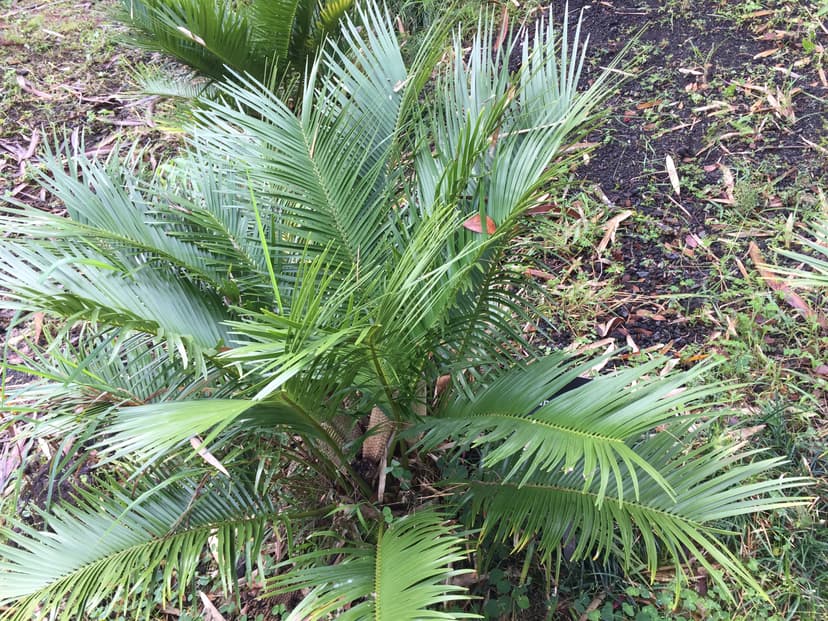
Zamia inermis is a critically endangered cycad species native to Actopan, Veracruz, Mexico. It is characterized by its shrub-like growth, with a trunk that can be branched and upright leaves composed of numerous linear-lanceolate leaflets. This species is dioecious and faces significant threats from habitat loss, wildfires, and over-harvesting.

Encephalartos dolomiticus
Encephalartos dolomiticus, commonly known as the Wolkberg cycad, is a critically endangered cycad species native to the Wolkberg region of South Africa. This tree-like cycad typically grows up to 2 meters tall and is characterized by its distinctive bluish leaves forming a crown, with lance-shaped leaflets arranged oppositely along the rachis. It is a dioecious species, producing separate male and female cones.