
Bambiraptor
Bambiraptor is a genus of bird-like theropod dinosaur that lived approximately 72 million years ago during the Late Cretaceous period in Montana, USA. Named for its small size and resemblance to the Disney character Bambi, this dinosaur is known from a remarkably complete juvenile specimen, which has been crucial in understanding the relationship between dinosaurs and birds.
Key Facts
- ›Lived approximately 72 million years ago during the Late Cretaceous period.
- ›Discovered in Montana, USA, near Glacier National Park.
- ›Known from a nearly 95% complete juvenile skeleton.
- ›Possessed long hindlimbs suggesting it was a fast runner.
- ›Had a relatively large brain for its size, possibly indicating arboreal habits.
- ›Likely covered in feathers, based on its phylogenetic placement.

Small, Bird-Like Theropod, Long Hindlimbs, Very Long Arms, Well-Developed Wishbone, Relatively Large Brain For Its Size, Likely Covered In Feathers
Saurornitholestes, Velociraptor
North America
About Bambiraptor
Bambiraptor is a genus of bird-like theropod dinosaur belonging to the Dromaeosauridae family. It lived approximately 72 million years ago during the Late Cretaceous period in what is now Montana, United States. The name Bambiraptor feinbergi, translating to 'Bambi thief', was given due to the young age of the holotype specimen and the family who acquired it. This dinosaur is particularly significant due to the remarkable completeness of its fossil remains, especially the juvenile specimen.
Discovery and Significance
The holotype skeleton of Bambiraptor was discovered in 1995 by a young fossil hunter near Glacier National Park. The specimen was approximately 95 percent complete, making it an exceptionally valuable find. Its completeness has allowed scientists to study its anatomy in great detail, contributing significantly to the understanding of the evolutionary link between dinosaurs and modern birds. Paleontologists have compared its importance to that of the Rosetta Stone for deciphering ancient languages, highlighting its role in understanding dinosaur-bird evolution.
Physical Characteristics and Behavior
The juvenile Bambiraptor specimen measured about 90 centimeters (3.0 ft) in length and weighed an estimated 2 kilograms (4.4 lb). Adult estimates suggest a length of around 1.3 meters (4.3 ft) and a weight of 5 kilograms. Bambiraptor possessed long hindlimbs, indicating it was likely a swift runner. It also had very long arms and a well-developed wishbone. Research suggests that Bambiraptor may have had opposable fingers and significant forelimb maneuverability, potentially allowing it to grasp food. The dinosaur had a relatively large brain for its size, with an enlarged cerebellum. This has led to hypotheses that Bambiraptor might have been arboreal or hunted agile prey, requiring higher agility and intelligence.
Feathers and Phylogeny
Although no direct feather impressions were found with the holotype, Bambiraptor is widely considered to have been covered in feathers. This conclusion is based on its phylogenetic placement within the group Paraves, which includes birds and other feathered dinosaurs. This reasoning, known as phylogenetic bracketing, is supported by subsequent discoveries confirming that small dromaeosaurids were feathered. Bambiraptor's exact position within the Dromaeosauridae family has been debated, with analyses placing it as a microraptorian, a saurornitholestine, or a member of Eudromaeosauria.
Source: Wikipedia ↗
Frequently Asked Questions
What does the name Bambiraptor mean?
The scientific name Bambiraptor translates to 'Bambi thief'. It was named after the young age of the specimen, referencing the Disney character Bambi, and the Latin word 'raptor' meaning 'seizer'.
Where was Bambiraptor discovered?
The holotype specimen of Bambiraptor was discovered in 1995 near Glacier National Park in Montana, United States. The fossils were found in layers of the Upper Two Medicine Formation.
How complete is the Bambiraptor fossil record?
The discovery of a nearly 95% complete juvenile skeleton is a significant aspect of Bambiraptor's fossil record. This completeness has been compared to the Rosetta Stone for its importance in understanding dinosaur-bird evolution.
What did Bambiraptor eat?
While the exact diet isn't explicitly detailed, Bambiraptor is classified as a theropod dinosaur, a group that primarily included carnivores. Its ability to grasp with its forelimbs might have aided in handling prey.
Did Bambiraptor have feathers?
Although no direct feather impressions were found with the holotype, Bambiraptor is widely believed to have been feathered. This belief is based on its classification within Paraves, a group that includes birds and other feathered dinosaurs.
How large was Bambiraptor?
The juvenile holotype specimen had a preserved length of 90 cm (3.0 ft) and an estimated total length of about 1 meter (3.3 ft), weighing perhaps only 2 kg (4.4 lb). Adult estimates suggest a length of around 1.3 meters (4.3 ft) and a weight of 5 kg.
Related Dinosaur species

Acheroraptor
Acheroraptor is an extinct genus of dromaeosaurid theropod dinosaur that lived in North America during the Late Cretaceous period. It is known from fossil remains discovered in the Hell Creek Formation of Montana, United States. Acheroraptor is notable for being one of the geologically youngest dromaeosaurids, existing just before the Cretaceous-Paleogene extinction event.
Avaceratops
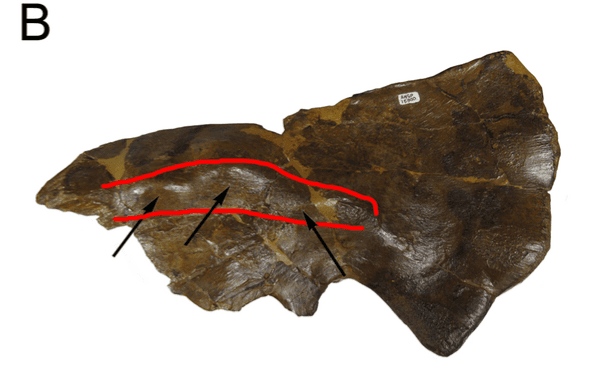
Avaceratops is a genus of small herbivorous ceratopsian dinosaurs that lived during the late Campanian stage of the Cretaceous Period in what is now the Northwestern United States. Its fossils are primarily found in the Judith River Formation. The genus is named after Ava Cole, wife of the discoverer Eddie Cole, and the specific epithet honors the Lammers family.
Brachyceratops
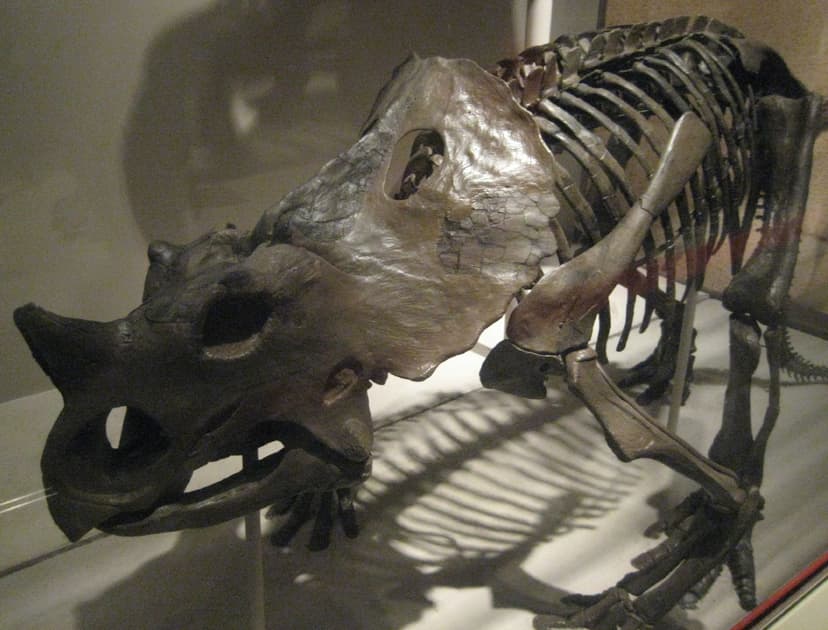
Brachyceratops is a dubious genus of ceratopsian dinosaur that lived during the Late Cretaceous Period in what is now Montana, United States. It is primarily known from the incomplete remains of juvenile individuals, making its exact classification challenging. One of its specimens has since been reclassified as Rubeosaurus ovatus.