
Avaceratops
Avaceratops is a genus of small herbivorous ceratopsian dinosaurs that lived during the late Campanian stage of the Cretaceous Period in what is now the Northwestern United States. Its fossils are primarily found in the Judith River Formation. The genus is named after Ava Cole, wife of the discoverer Eddie Cole, and the specific epithet honors the Lammers family.
Key Facts
- ›Avaceratops was a herbivore, likely feeding on ferns, cycads, and conifers.
- ›Its habitat was heavily forested and wet.
- ›The dinosaur possessed a distinctive frill at the back of its skull.
- ›Fossils were discovered in the Judith River Formation of Montana.
- ›The genus was named by Peter Dodson in 1986.
- ›It is classified as a basal member of the Centrosaurinae subfamily within Ceratopsidae.
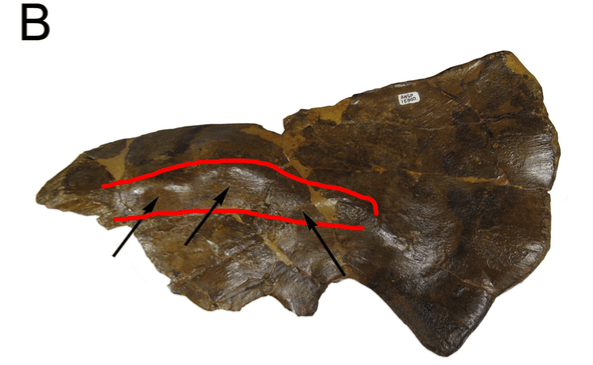
- Distinctive frill at the back of the skull.
- Large squamosal element on the frill with a continuously curving edge.
- Postorbital horn cores measuring up to 25 cm in length on larger individuals.
- Solid frill, likely lacking fenestrae.
- Parrot-like beak.
Nasutoceratops
North America
About Avaceratops
Avaceratops: A Small Horned Dinosaur from the Late Cretaceous
Avaceratops is a genus of small herbivorous ceratopsian dinosaurs that roamed the Earth during the late Campanian stage of the Cretaceous Period. Its fossils are predominantly found in the Judith River Formation of the Northwestern United States, particularly in Montana. This dinosaur is recognized for its distinctive frill and parrot-like beak, characteristic of the horned dinosaurs.
Discovery and Naming
The initial remains of Avaceratops were unearthed in 1981 by Eddie Cole on land belonging to the Careless Creek Ranch. These fossils were scattered throughout the remnants of a prehistoric stream bed, suggesting the animal's body was likely swept downstream and buried in a sandbar. Paleontologist Peter Dodson officially named and described the species in 1986 as Avaceratops lammersi. The genus name honors Ava Cole, wife of the discoverer, while the specific epithet recognizes the Lammers family. While some researchers have proposed emendations to the scientific name, Avaceratops lammersi remains the accepted designation.
Description and Paleobiology
Avaceratops was initially considered an exceptionally small species, with the holotype specimen, possibly a juvenile or subadult, estimated at around 2.3 meters (7.5 ft). However, a second, larger skull specimen suggests a greater length of up to 4.2 meters (14 ft) and an estimated weight of one tonne. This larger specimen also revealed more prominent postorbital horn cores, measuring about 25 centimeters (9.8 in). Key physical characteristics include a unique frill with a continuously curving squamosal edge and likely solid parietals, meaning it probably lacked the typical openings found in many other ceratopsian frills. As with all ceratopsians, Avaceratops was a herbivore, subsisting on the prevalent flora of its time, which included ferns, cycads, and conifers, using its sharp beak to gather vegetation. Its habitat is described as heavily forested and wet.
Classification
Avaceratops belongs to the Ceratopsidae family within the Ceratopsia, a group of herbivorous dinosaurs characterized by their horned faces and beaks. While its precise placement within the ceratopsid family tree has been debated due to the limited remains of adult individuals, it is generally considered to occupy a basal position within the Centrosaurinae subfamily. Phylogenetic analyses have also placed it as the sister taxon to Nasutoceratops, with the clade containing both genera named the Nasutoceratopsini.
Source: Wikipedia ↗
Frequently Asked Questions
What does the name Avaceratops mean?
The genus name Avaceratops honors Ava Cole, the wife of Eddie Cole, who discovered the first remains. The specific epithet, lammersi, honors the Lammers family, who owned the land where the fossils were found.
What did Avaceratops eat?
As a ceratopsian, Avaceratops was a herbivore. It likely used its sharp, beak-like mouth to bite off leaves and needles from the predominant plants of its time, such as ferns, cycads, and conifers.
Where were Avaceratops fossils found?
Most of the fossils attributed to Avaceratops have been discovered in the Judith River Formation, located in what is now the Northwestern United States, particularly in Montana.
How large was Avaceratops?
Estimates for Avaceratops's size vary. The holotype specimen, possibly a juvenile, was initially estimated at 2.3 meters (7.5 ft) long. However, a second, larger skull suggests a body length of up to 4.2 meters (14 ft), with an estimated weight of one tonne for a four-meter-long individual.
What are the most distinctive physical features of Avaceratops?
Avaceratops is characterized by a distinctive frill at the back of its skull. It also had postorbital horn cores, with one larger skull specimen showing horn cores measuring 25 centimeters (9.8 in) in length. The frill's squamosal element has a continuously curving edge rather than a stepped one.
What geological period did Avaceratops live in?
Avaceratops lived during the late Campanian stage of the Cretaceous Period.
Related Dinosaur species
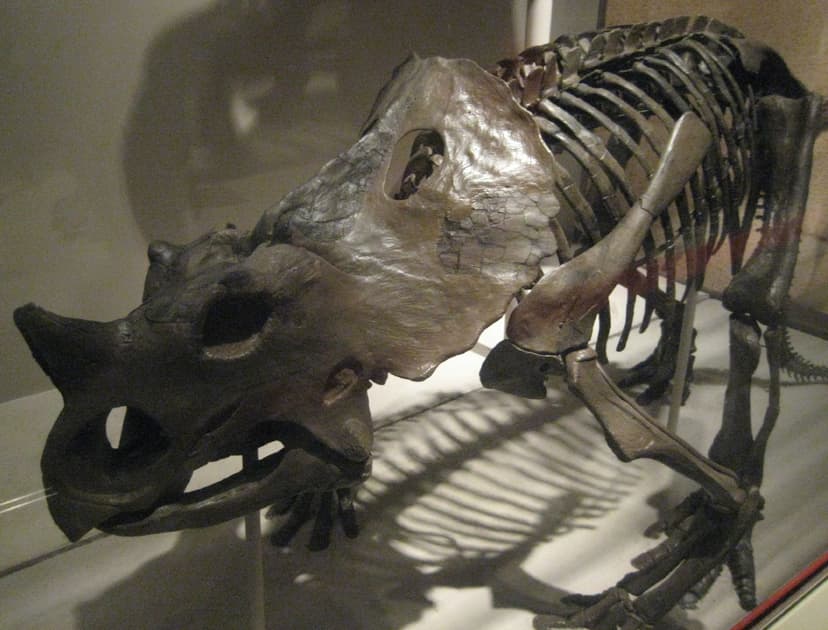
Brachyceratops
Brachyceratops is a dubious genus of ceratopsian dinosaur that lived during the Late Cretaceous Period in what is now Montana, United States. It is primarily known from the incomplete remains of juvenile individuals, making its exact classification challenging. One of its specimens has since been reclassified as Rubeosaurus ovatus.

Bambiraptor
Bambiraptor is a genus of bird-like theropod dinosaur that lived approximately 72 million years ago during the Late Cretaceous period in Montana, USA. Named for its small size and resemblance to the Disney character Bambi, this dinosaur is known from a remarkably complete juvenile specimen, which has been crucial in understanding the relationship between dinosaurs and birds.

Acheroraptor
Acheroraptor is an extinct genus of dromaeosaurid theropod dinosaur that lived in North America during the Late Cretaceous period. It is known from fossil remains discovered in the Hell Creek Formation of Montana, United States. Acheroraptor is notable for being one of the geologically youngest dromaeosaurids, existing just before the Cretaceous-Paleogene extinction event.