
Adelolophus
Adelolophus is a genus of lambeosaurine dinosaur, a type of "duck-bill" known for its cranial crests, that lived during the Late Cretaceous period in what is now Utah, USA. The only known species, *Adelolophus hutchisoni*, is represented by a partial maxilla (upper jaw bone). It is significant as the oldest known lambeosaur remains from North America and a member of the Parasaurolophini tribe, indicating a close relationship with dinosaurs like Parasaurolophus.
Key Facts
- ›Adelolophus is a lambeosaurine dinosaur, part of the "duck-bill" group, characterized by cranial crests.
- ›It is the oldest known lambeosaur remains discovered in North America.
- ›The genus is represented by a single species, *Adelolophus hutchisoni*.
- ›Its fossils have been found in the Wahweap Formation of Utah, USA.
- ›Phylogenetic analyses place Adelolophus within the Parasaurolophini, a group of tube-headed lambeosaurs.
- ›Adelolophus likely inhabited a wet, estuarine environment bordering a sea, with seasonal dry periods.

- Possessed a maxilla with a tall medial wall and a rounded dorsal process.
- Featured a large, elevated palatine process near the back of the maxilla.
- Had a unique, thickened ridge running from the jugal articulation to the palatine process.
- Likely possessed a cranial crest, typical of lambeosaurines, though not preserved in the holotype.
Parasaurolophus, Charonosaurus, Tlatolophus
North America
About Adelolophus
What is Adelolophus?
Adelolophus is a genus of lambeosaurine dinosaur, a group of ornithopods commonly known as "duck-billed" dinosaurs, that lived during the Late Cretaceous period. The only known species, Adelolophus hutchisoni, is significant as it represents the oldest known lambeosaur remains discovered in North America. Its scientific name, meaning "unknown crest," reflects the fragmentary nature of the fossil evidence, which consists primarily of a partial maxilla (upper jaw bone) and does not preserve the characteristic cranial crest of its relatives.
Discovery and Classification
Fossils attributed to Adelolophus were discovered in Kane County, Utah, within the Wahweap Formation, specifically its Upper Member. The type specimen, an incomplete right maxilla, was first reported in 2013 and formally described and named in 2014. Phylogenetic analyses place Adelolophus within the Parasaurolophini tribe, a subgroup of lambeosaurines characterized by tube-like cranial crests. This classification indicates a close evolutionary relationship with dinosaurs such as Parasaurolophus and Charonosaurus, and it is also found to be sister to the recently described Tlatolophus.
Paleoenvironment and Physical Characteristics
Adelolophus inhabited a dynamic estuarine environment characterized by tidal influences, meandering rivers, and brackish water, likely bordering the Western Interior Seaway. Despite the generally wet climate, there is evidence of a seasonal dry period. The preserved maxilla of Adelolophus exhibits several unique morphological traits, including a very tall medial wall, a relatively rounded dorsal process, and a large, elevated palatine process. These features distinguish it from other lambeosaurines, though its precise size and full anatomical profile remain largely unknown due to the limited fossil material.
Coexisting Fauna
The fossil sites yielding Adelolophus remains have also provided evidence of a diverse ecosystem. Other animals that shared this habitat included various fish, such as sturgeon, gar, and the large bowfin fish Melvius, as well as abundant baenid turtles. The presence of other dinosaurs, including ceratopsids like Machairoceratops and fragmentary remains of tyrannosaurid theropods, indicates Adelolophus lived in a complex and predator-rich environment.
Source: Wikipedia ↗
Frequently Asked Questions
What does the name Adelolophus mean?
The name Adelolophus is derived from Greek words meaning "unknown crest." This name refers to the fact that the known fossil remains of the species do not display the presumed crest that is characteristic of other lambeosaur dinosaurs.
What is the significance of Adelolophus in dinosaur research?
Adelolophus is significant because it represents the oldest known lambeosaur remains found in North America. Its discovery helps to extend the known fossil record of this group further back in time on the continent.
What type of dinosaur was Adelolophus?
Adelolophus was a lambeosaurine dinosaur, a subfamily of hadrosaurs commonly known as "duck-billed" dinosaurs. These dinosaurs are characterized by their distinctive cranial crests, although Adelolophus's crest is not preserved in the fossil record.
What are the closest relatives of Adelolophus?
Phylogenetic analyses suggest that Adelolophus is closely related to other members of the Parasaurolophini tribe, a group of tube-headed lambeosaurs. It is considered particularly similar to Parasaurolophus and Charonosaurus.
What kind of environment did Adelolophus live in?
Adelolophus lived in a wet environment characterized by tidal influences and meandering rivers, bordering a sea. This estuarine habitat likely experienced periods of brackish water and also had a dry season.
What other animals lived alongside Adelolophus?
Adelolophus shared its environment with a diverse array of animals, including various fish like sturgeon, gar, and Melvius, as well as numerous turtles such as Arvinachelys and Denazinemys. Fragmentary remains of tyrannosaurid theropods and ceratopsids like Machairoceratops have also been found in the same formations.
Related Dinosaur species
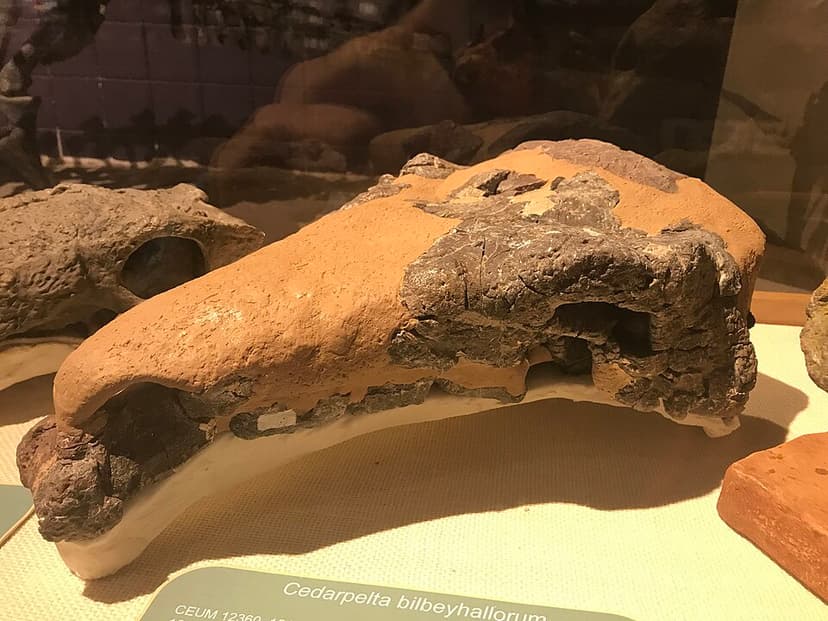
Cedarpelta
Cedarpelta is an extinct genus of basal ankylosaurid dinosaur that lived in Utah during the Late Cretaceous period. Known from multiple specimens, including partial skulls and postcranial material, it is notable for its skull lacking extensive ornamentation and having unfused cranial bones. This dinosaur is estimated to have been around 7 meters long and weighed approximately 5 tonnes.

Cedrorestes
Cedrorestes is a genus of iguanodontian dinosaur that lived during the Early Cretaceous period in what is now Utah. Its classification as an early hadrosaurid or a derived iguanodontian places it near a significant evolutionary split, possessing a unique combination of features.
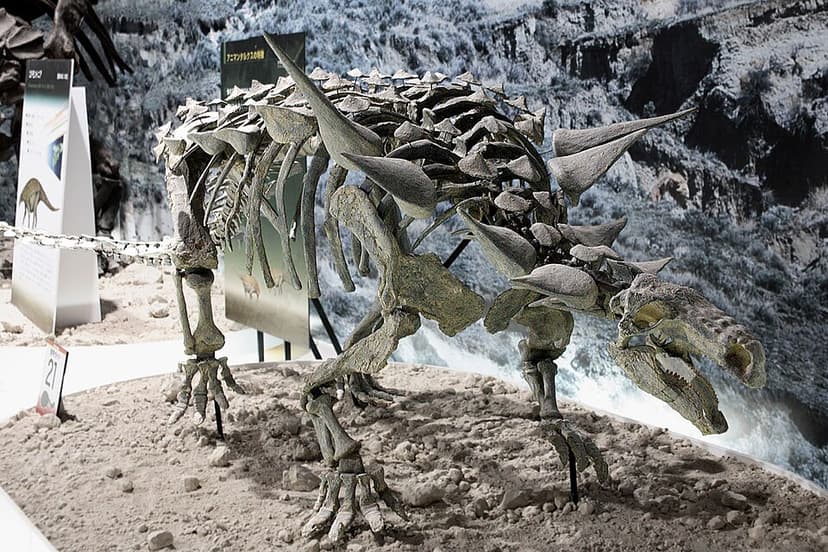
Animantarx
Animantarx was a herbivorous ankylosaurian dinosaur that lived in western North America during the Early and Late Cretaceous periods. Known for its heavily armored body and lack of a tail club, this quadrupedal dinosaur is estimated to have been around 3 meters (10 feet) in length. Its discovery in the Cedar Mountain Formation of Utah was unique, stemming from a radiological survey that detected unusual radioactivity in the fossil-bearing rock.