
Aegyptosaurus
Aegyptosaurus was a genus of sauropod dinosaur that lived in Africa approximately 95 million years ago during the Late Cretaceous Period. Its fossils, though largely destroyed during World War II, were first discovered in Egypt and have also been found in Niger. The dinosaur is estimated to have been around 15 meters long and weighed about 7 tonnes.
Key Facts
- ›Aegyptosaurus lived during the Late Cretaceous Period, around 95 million years ago.
- ›Its fossils were discovered in Egypt and Niger, primarily in the Bahariya Formation.
- ›It was a sauropod dinosaur, belonging to the titanosaurian group.
- ›Estimated length is 15 meters, and weight is approximately 7 tonnes.
- ›The generic name means 'Egypt's lizard'.
- ›Most of its original fossil specimens were destroyed in a bombing raid in 1944.
- Estimated Length of 15 Meters
- Estimated Weight of 7 Tonnes
- Long Neck and Tail Characteristic of Sauropods
Paralititan, Spinosaurus Aegyptiacus
Africa, Egypt, Niger
About Aegyptosaurus
Aegyptosaurus is a genus of sauropod dinosaur that roamed the Earth approximately 95 million years ago, during the Late Cretaceous Period. Its fossils have been unearthed in North Africa, specifically in Egypt and Niger. The generic name, Aegyptosaurus, translates to 'Egypt's lizard', reflecting its discovery location.
Discovery and Naming
The first fossils of Aegyptosaurus were discovered in the Bahariya Formation of Egypt between 1910 and 1913 by Ernst Stromer and Richard Markgraf. The holotype, consisting of vertebrae and limb bones, was sent to Germany for study. German paleontologist Ernst Stromer formally described Aegyptosaurus in 1932. Tragically, most of the original fossil specimens, stored in Munich, were destroyed in an Allied bombing raid in 1944 during World War II. Today, only fragments from other specimens exist, making the fossil record quality fragmentary.
Description and Palaeoenvironment
Estimates suggest Aegyptosaurus was a large dinosaur, with a length of around 15 meters (49 feet) and a weight of approximately 7 tonnes (7.7 short tons). As a sauropod, it would have possessed the characteristic long neck and tail. During the Cenomanian stage of the Late Cretaceous, the region where Aegyptosaurus lived was a coastal environment bordering the Tethys Sea, characterized by mangroves, vast tidal flats, and waterways. This wetland environment was shared with other dinosaurs, including theropods like Spinosaurus and various aquatic animals.
Significance
While the fossil record of Aegyptosaurus is incomplete due to the destruction of its primary specimens, it remains an important find for understanding the dinosaur fauna of Late Cretaceous North Africa. Its presence contributes to the understanding of sauropod diversity on the continent during this period.
Source: Wikipedia ↗
Frequently Asked Questions
When did Aegyptosaurus live?
Aegyptosaurus lived approximately 95 million years ago, during the Late Cretaceous Period. This time period corresponds to the Cenomanian faunal stage.
Where were Aegyptosaurus fossils found?
The primary discovery location for Aegyptosaurus fossils was Egypt, specifically in the Bahariya Formation. Fossils have also been identified in the Farak Formation of Niger and other sites in the Sahara Desert.
What does the name Aegyptosaurus mean?
The scientific name Aegyptosaurus is derived from 'Aegyptos', the Greek word for Egypt where it was discovered, and 'sauros', meaning 'lizard'. Thus, it translates to 'Egypt's lizard'.
How large was Aegyptosaurus?
Based on estimates from related titanosaurs, Aegyptosaurus is thought to have reached a length of about 15 meters (49 feet). Its weight is estimated to have been around 7 tonnes (7.7 short tons).
What happened to the original Aegyptosaurus fossils?
The original holotype and other specimens of Aegyptosaurus were stored in Munich, Germany. Tragically, these fossils were destroyed during an Allied bombing raid on April 25, 1944, during World War II.
What kind of dinosaur was Aegyptosaurus?
Aegyptosaurus was a sauropod dinosaur, a group known for their long necks and tails, and quadrupedal stance. It is classified within the titanosaurian group.
Related Dinosaur species
Abdarainurus
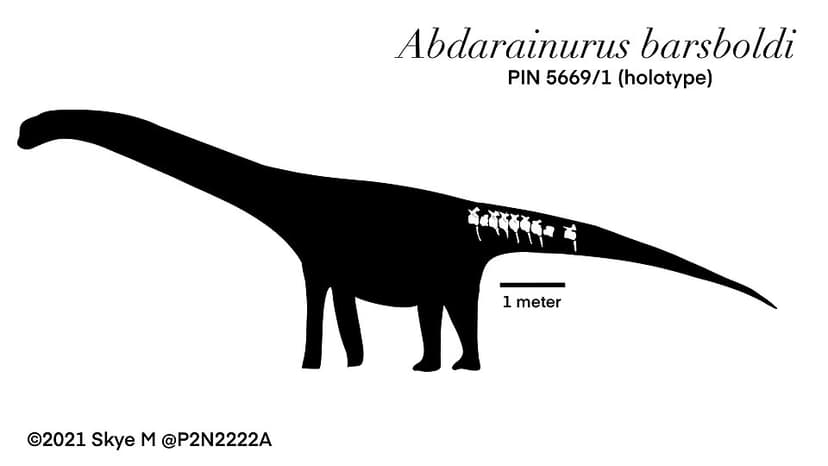
Abdarainurus is a genus of titanosaur dinosaur known from the Alagteeg Formation in Mongolia. The only known species, A. barsboldi, is currently considered an indeterminate titanosaur and might represent a previously undocumented lineage of Asian macronarians. Its existence is primarily evidenced by a limited number of tail vertebrae.

Aepisaurus
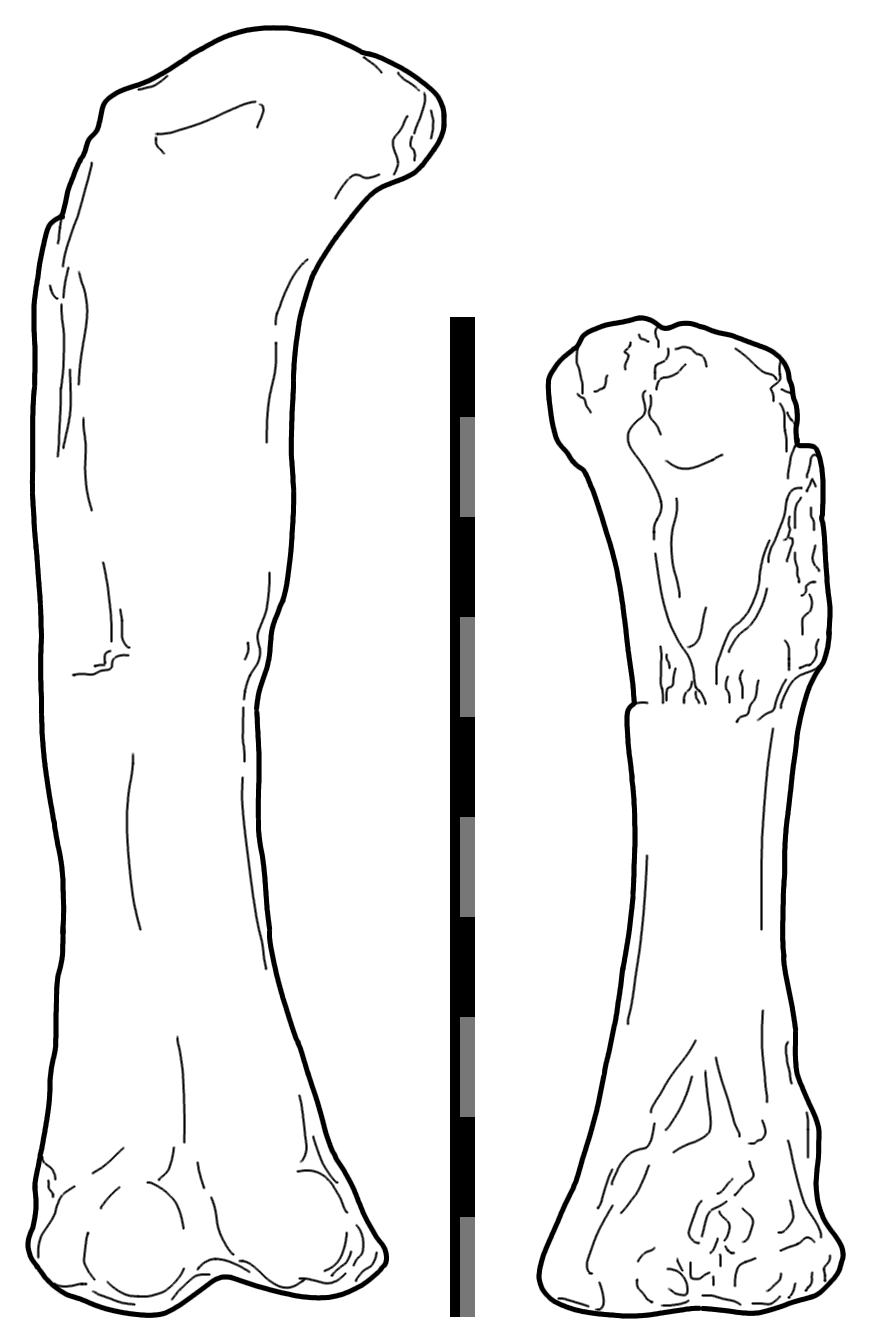
Aepisaurus was a genus of sauropod dinosaur that lived in France during the Early Cretaceous period, approximately 100.5 million years ago. It is considered an obscure and poorly understood dinosaur, known only from a single humerus, which is now partially lost. Due to the limited fossil evidence, its exact taxonomic placement remains uncertain.
Ajkaceratops
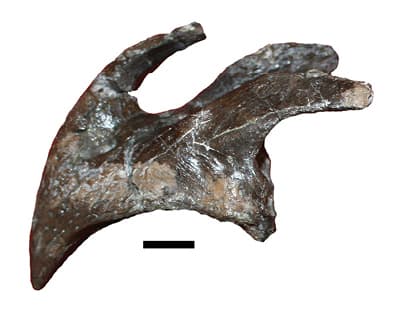
Ajkaceratops is a genus of ceratopsian dinosaur that lived during the Late Cretaceous period in the western Tethyan archipelago, now part of Europe. While initially described based on fragmentary skull remains, later discoveries have supported its classification as a ceratopsian, though its exact phylogenetic position has been a subject of scientific debate. It is estimated to have been a small dinosaur, possibly around 1 meter in length.