
Aepisaurus
Herbivore·Cretaceous·Vaucluse, France·Quadrupedal
Aepisaurus was a genus of sauropod dinosaur that lived in France during the Early Cretaceous period, approximately 100.5 million years ago. It is considered an obscure and poorly understood dinosaur, known only from a single humerus, which is now partially lost. Due to the limited fossil evidence, its exact taxonomic placement remains uncertain.
Key Facts
- ›Lived approximately 100.5 million years ago during the Albian age of the Lower Cretaceous.
- ›Fossils were discovered in the Grès vert of Vaucluse, France.
- ›Known only from a single humerus, which is now partly lost.
- ›Its exact taxonomic placement within sauropods is uncertain.
- ›Likely a large, quadrupedal herbivore.

- Large quadrupedal herbivore
- Known only from a single humerus, approximately 90 cm long.
France
About Aepisaurus
What is Aepisaurus?
Aepisaurus is a genus of sauropod dinosaur that roamed what is now France during the Early Cretaceous period. Its name, derived from Greek roots, translates to "lofty lizard," hinting at the presumed large size characteristic of sauropods. The scientific description of Aepisaurus dates back to 1852, based on fossil discoveries that occurred around 100.5 million years ago.
Discovery and Fossil Evidence
The known fossil material of Aepisaurus is exceptionally sparse, consisting primarily of a single humerus bone. This bone was discovered at Mont Ventoux, near Bédoin, in the Vaucluse department of France. The humerus, measuring approximately 90 centimeters in length, provides the main, albeit limited, evidence for the existence of this dinosaur. Unfortunately, this crucial specimen is now partly lost, further complicating detailed study and classification.
Classification and Paleobiology
As a sauropod, Aepisaurus is inferred to have been a large, quadrupedal herbivore. Its exact placement within the sauropod family tree has been a subject of debate and uncertainty among paleontologists. Early interpretations suggested similarities to titanosaurids due to its slender humerus, while other researchers have noted resemblances to camarasaurids or brachiosaurids. However, the fragmentary nature of the remains and difficulties in locating the type specimen have led to its classification as either a dubious sauropod or an indeterminate eusauropod/neosauropod, highlighting the challenges in understanding this obscure genus.
Source: Wikipedia ↗
Frequently Asked Questions
When did Aepisaurus live?
Aepisaurus lived approximately 100.5 million years ago during the Albian age of the Lower Cretaceous period. This places it firmly within the early part of the Cretaceous era.
Where were the fossils of Aepisaurus found?
The fossils of Aepisaurus were discovered in the Grès vert of Département du Vaucluse, France. This region was the primary location for the initial discovery of its remains.
What do we know about the physical appearance of Aepisaurus?
Very little is known about the physical appearance of Aepisaurus due to the limited fossil evidence. It is classified as a sauropod, which means it was likely a large, quadrupedal herbivore, but specific details about its size or features are not preserved.
What is the scientific name of this dinosaur?
The scientific name of this dinosaur is Aepisaurus. The name is derived from Greek words meaning 'lofty lizard', reflecting its presumed size.
What is the significance of Aepisaurus in paleontology?
Aepisaurus is significant as one of the few sauropods described from France. However, its obscurity and the fragmentary nature of its fossils make it difficult to ascertain its exact evolutionary relationships and significance.
Related Dinosaur species
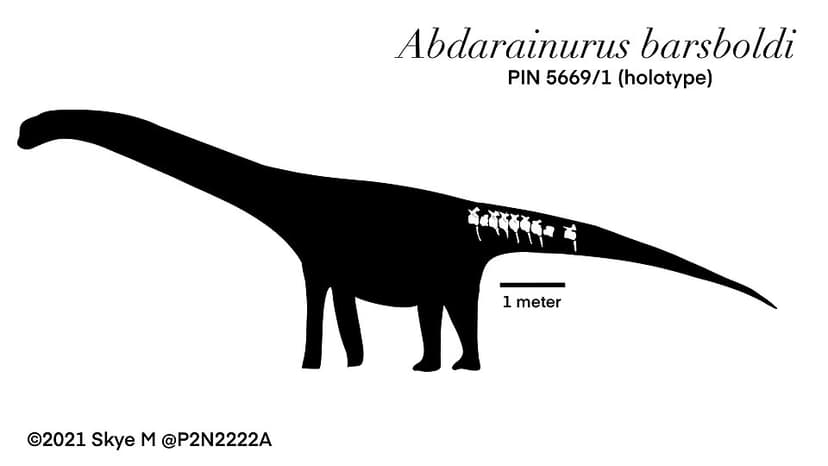
Abdarainurus
Abdarainurus is a genus of titanosaur dinosaur known from the Alagteeg Formation in Mongolia. The only known species, A. barsboldi, is currently considered an indeterminate titanosaur and might represent a previously undocumented lineage of Asian macronarians. Its existence is primarily evidenced by a limited number of tail vertebrae.
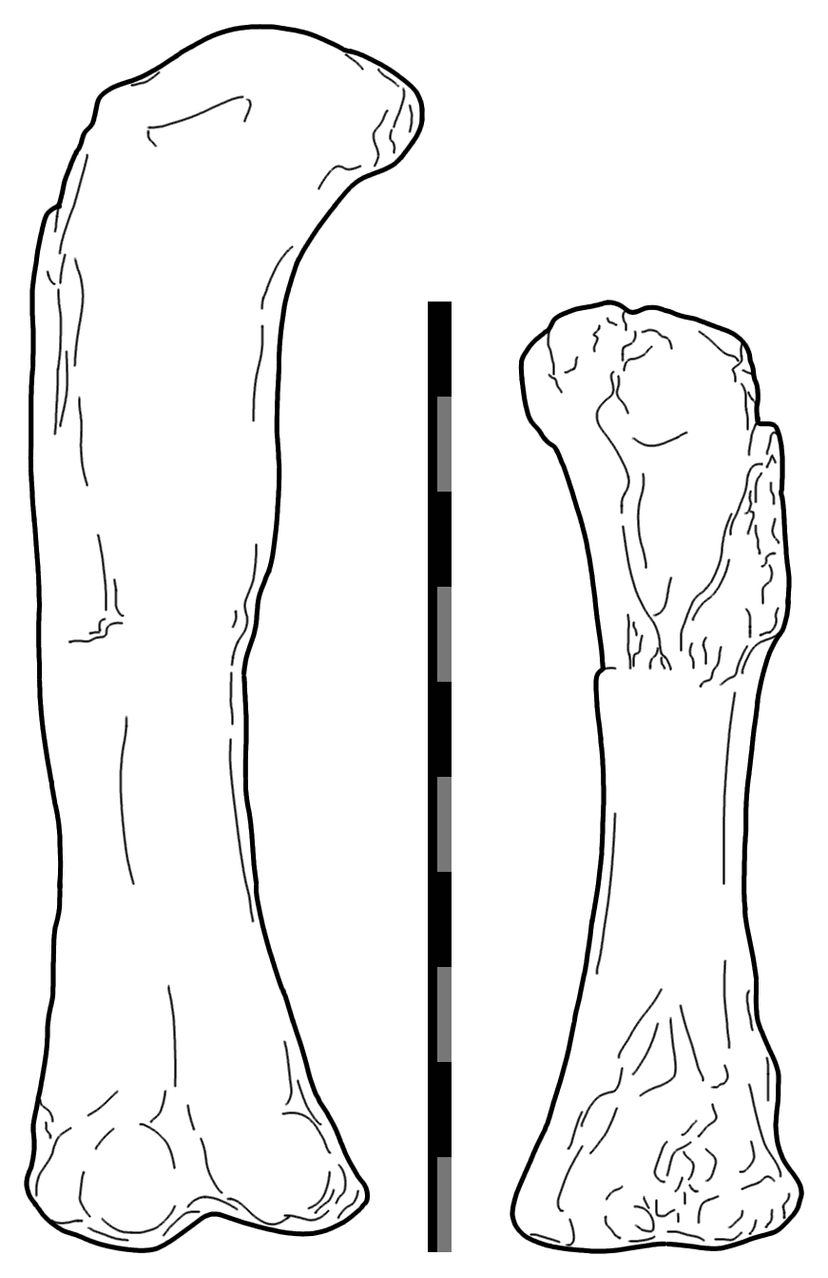
Aegyptosaurus
Aegyptosaurus was a genus of sauropod dinosaur that lived in Africa approximately 95 million years ago during the Late Cretaceous Period. Its fossils, though largely destroyed during World War II, were first discovered in Egypt and have also been found in Niger. The dinosaur is estimated to have been around 15 meters long and weighed about 7 tonnes.
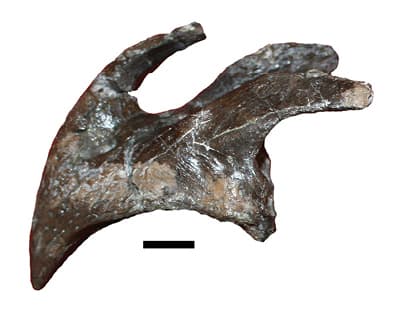
Ajkaceratops
Ajkaceratops is a genus of ceratopsian dinosaur that lived during the Late Cretaceous period in the western Tethyan archipelago, now part of Europe. While initially described based on fragmentary skull remains, later discoveries have supported its classification as a ceratopsian, though its exact phylogenetic position has been a subject of scientific debate. It is estimated to have been a small dinosaur, possibly around 1 meter in length.