
Ajkaceratops
Herbivore·Cretaceous·Hungary·Quadrupedal
Ajkaceratops is a genus of ceratopsian dinosaur that lived during the Late Cretaceous period in the western Tethyan archipelago, now part of Europe. While initially described based on fragmentary skull remains, later discoveries have supported its classification as a ceratopsian, though its exact phylogenetic position has been a subject of scientific debate. It is estimated to have been a small dinosaur, possibly around 1 meter in length.
Key Facts
- ›Ajkaceratops lived during the Late Cretaceous period.
- ›Fossils were discovered in what is now Hungary, Europe.
- ›It is considered a ceratopsian dinosaur, related to Asian forms.
- ›Estimated body length is approximately 1 meter (3.3 ft).
- ›The diet involved masticating vegetation, possibly tougher plants than contemporary ankylosaurs.
- ›It shared its habitat with various other dinosaurs, crocodiles, pterosaurs, turtles, and lizards.
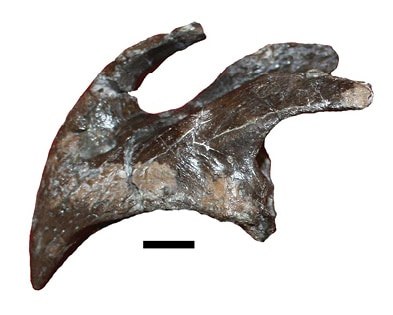
- Estimated Body Length of 1 Meter .
- Fragmentary Skull Remains Include Snout, Fused Premaxillae, and Maxillae Fragments.
- May Have Lacked the Frill and Horns Typical of Other Ceratopsians.
Bagaceratops, Zuniceratops, Ferenceratops, Mochlodon Vorosi, Zalmoxes Shqiperorum, Zalmoxes Robustus
Europe
About Ajkaceratops
Ajkaceratops is a genus of ceratopsian dinosaur that roamed the western Tethyan archipelago, in what is now Europe, during the Late Cretaceous period. First described in 2010, its initial classification was based on limited fossil evidence, leading to some debate about its exact placement within the dinosaur family tree. However, more complete cranial remains discovered later have bolstered its identification as a ceratopsian, closely related to forms found in East Asia.
Discovery and Classification
The initial fossils of Ajkaceratops, consisting of skull fragments including parts of the beak and jaw, were unearthed in Ajka, Hungary. The genus name, Ajkaceratops, reflects this discovery location and the characteristic 'horned face' of ceratopsians. While early research suggested a close relationship to Asian protoceratopsids like Bagaceratops, the unique morphology of its proposed rostral bone led some scientists to question its ceratopsian status, proposing it might be an ornithischian of uncertain affinity. Subsequent research, utilizing more comprehensive skull material, has reaffirmed its position as a ceratopsian, potentially forming a distinct clade with genera like Ferenceratops and Zalmoxes.
Physical Characteristics and Palaeobiology
Based on the available fossil material, Ajkaceratops is estimated to have been a small dinosaur, measuring approximately 1 meter (3.3 feet) in length. Unlike many of its ceratopsian relatives, it may have lacked the prominent frills and horns. Palaeobiological studies, analyzing tooth wear patterns, suggest that Ajkaceratops was a herbivore that consumed tougher vegetation, partitioning resources with contemporary ankylosaurs by processing more fibrous plant matter.
Source: Wikipedia ↗
Frequently Asked Questions
What does the name Ajkaceratops mean?
The genus name Ajkaceratops honors the Hungarian town of Ajka, where the fossils were found, combined with the Greek word 'ceratops,' meaning 'horned face'. The specific name, kozmai, honors Károly Kozma.
When did Ajkaceratops live?
Ajkaceratops lived during the Late Cretaceous period, specifically from around 86 to 84 million years ago, during the Santonian stage.
Where were Ajkaceratops fossils found?
The fossils of Ajkaceratops were discovered in the Csehbánya Formation in Hungary, Europe. This region is interpreted as a floodplain and channel deposit.
What did Ajkaceratops eat?
Analysis of its tooth wear patterns suggests that Ajkaceratops masticated vegetation. It is believed to have consumed tougher vegetation compared to contemporary ankylosaurs like Hungarosaurus.
What were the physical characteristics of Ajkaceratops?
Based on fragmentary remains, Ajkaceratops is estimated to have had a body length of about 1 meter (3.3 ft). It's possible that it lacked the prominent frill and horns seen in many other ceratopsians.
What was the habitat of Ajkaceratops?
Ajkaceratops inhabited a floodplain and channel deposit environment during the Late Cretaceous. This area was populated by a diverse array of fauna.
Related Dinosaur species
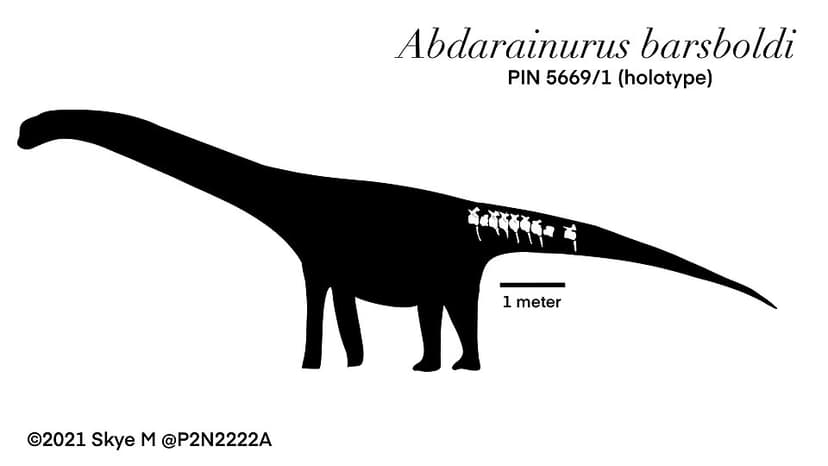
Abdarainurus
Abdarainurus is a genus of titanosaur dinosaur known from the Alagteeg Formation in Mongolia. The only known species, A. barsboldi, is currently considered an indeterminate titanosaur and might represent a previously undocumented lineage of Asian macronarians. Its existence is primarily evidenced by a limited number of tail vertebrae.
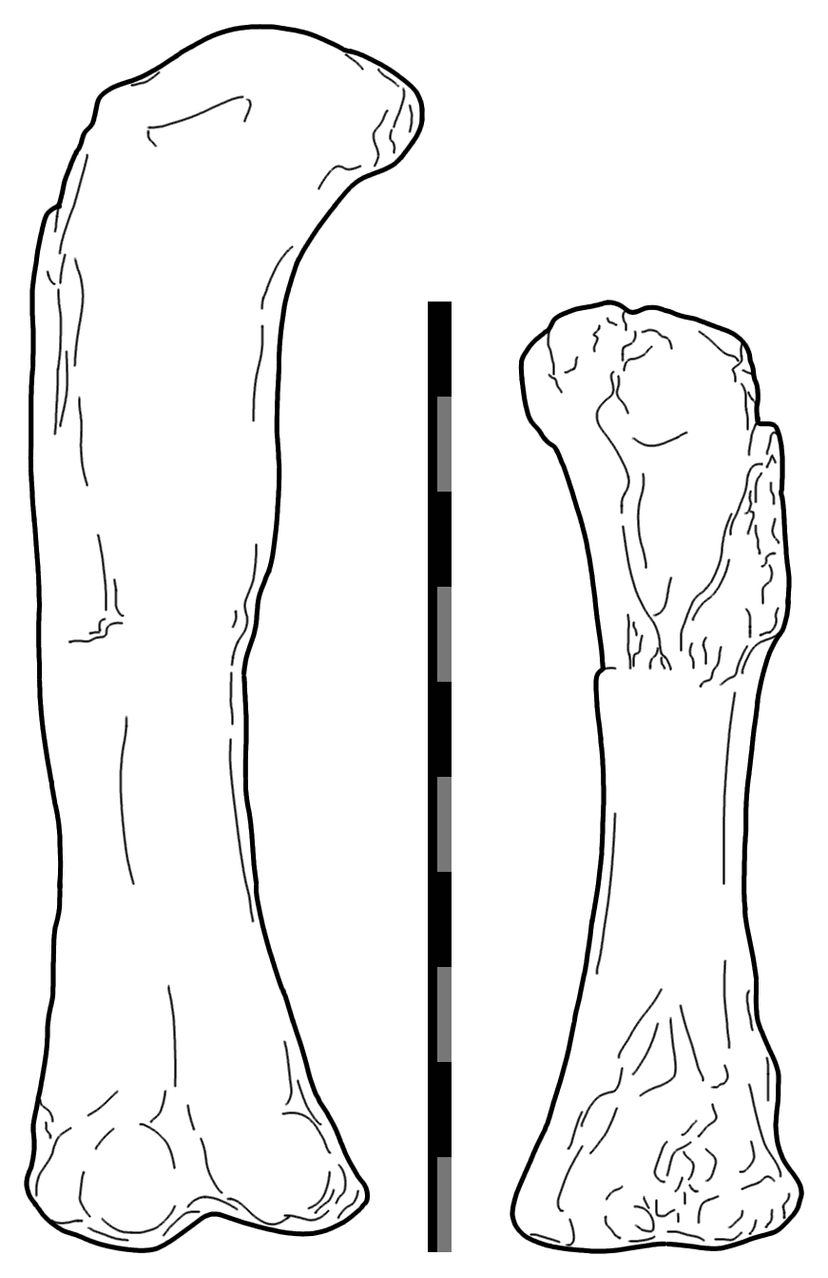
Aegyptosaurus
Aegyptosaurus was a genus of sauropod dinosaur that lived in Africa approximately 95 million years ago during the Late Cretaceous Period. Its fossils, though largely destroyed during World War II, were first discovered in Egypt and have also been found in Niger. The dinosaur is estimated to have been around 15 meters long and weighed about 7 tonnes.

Aepisaurus
Aepisaurus was a genus of sauropod dinosaur that lived in France during the Early Cretaceous period, approximately 100.5 million years ago. It is considered an obscure and poorly understood dinosaur, known only from a single humerus, which is now partially lost. Due to the limited fossil evidence, its exact taxonomic placement remains uncertain.