
Afromimus
Afromimus tenerensis is a genus of theropod dinosaur from the Early Cretaceous period, discovered in Niger. Initially classified as an ornithomimosaur, later analyses suggest it belongs to the Abelisauroidea superfamily, possibly within the Noasauridae family. Its fossils indicate an adult size of approximately 4.14 meters in length.
Key Facts
- ›Afromimus is named for its "Africa MIMIC" meaning, referencing its initial classification.
- ›Fossils were found in the Elrhaz Formation of Niger, within the Ténéré Desert.
- ›The holotype specimen includes parts of the right leg, vertebrae, and ribs.
- ›Its classification is debated, with initial placement as an ornithomimosaur and later reassessment as an abelisauroid.
- ›Estimated adult length is around 4.14 meters (13.6 ft).
- ›It lived during the Early Cretaceous epoch.

- Estimated adult length of 4.14 meters.
- Tibia length of approximately 40 cm.
- Possesses distinctive tail vertebrae with "peanut-shaped" centra and rough articular processes.
- Hindlimb bones show characteristics shared with both ornithomimosaurs and abelisauroids.
- Foot claws have flat bottom surfaces with V-shaped platforms and recessed flexor attachments.
Masiakasaurus, Majungasaurus, Elaphrosaurus, Ceratosaurus, Nqwebasaurus
Africa
About Afromimus
Afromimus tenerensis
Afromimus tenerensis is a genus of theropod dinosaur that roamed the Earth during the Early Cretaceous period. The name "Afromimus" translates to "Africa mimic," a nod to its discovery location and its initially proposed classification within the Ornithomimosauria, a group of "ostrich mimic" dinosaurs. The species name, tenerensis, honors the Ténéré Desert where its fossil remains were found.
Discovery and Classification
The sole known specimen of Afromimus was unearthed in 1997 in the Gadoufaoua locality of Niger's Ténéré Desert, within the Elrhaz Formation. This partial skeleton, cataloged as MNBH GAD112, consists of several tail vertebrae and bones from the right hindlimb, including the tibia, fibula, tarsals, and phalanges. Initially described by Paul Sereno in 2017 as an ornithomimosaur, subsequent research by Cerroni and colleagues in 2019 proposed a reassessment, placing Afromimus within or close to the superfamily Abelisauroidea. This reclassification is supported by numerous shared anatomical features, particularly in the vertebrae and hindlimbs, though its exact phylogenetic position remains a subject of ongoing scientific discussion.
Physical Characteristics and Paleoecology
Based on its tibia length of approximately 40 cm (16 inches) and its interpretation as a noasaurid abelisauroid, Afromimus is estimated to have reached an adult length of about 4.14 meters (13.6 feet). The fossil material reveals several distinctive traits, including unique structures on its tail vertebrae that likely aided in stabilizing the tail, and specific features of its hindlimb bones that bridge characteristics seen in both ornithomimosaurs and abelisauroids. The foot claws also exhibit a combination of traits found in these different theropod groups. Afromimus lived in an ecosystem that included other notable dinosaurs such as the spinosaurid Suchomimus, the sauropod Nigersaurus, and the ornithopod Ouranosaurus, along with a diverse array of crocodilians, turtles, and fish.
Source: Wikipedia ↗
Frequently Asked Questions
What does the name Afromimus mean?
The name Afromimus means "Africa mimic." This name was given because the dinosaur was initially interpreted as a member of the Ornithomimosauria, a group of "ostrich mimic" dinosaurs.
Where were the fossils of Afromimus found?
The fossils of Afromimus were discovered in the Gadoufaoua locality, within the Elrhaz Formation in the Ténéré Desert of Niger, Africa. This region is known for its rich dinosaur fossil record.
What period did Afromimus live in?
Afromimus lived during the Early Cretaceous period. This was a time of significant dinosaur diversification and evolution.
What is the estimated size of Afromimus?
Based on the length of its tibia and subsequent interpretations, Afromimus is estimated to have been about 4.14 meters (13.6 feet) long. The individual from which the holotype was recovered had reached adult size.
Is Afromimus considered an ornithomimosaur or an abelisauroid?
The classification of Afromimus is debated. It was originally described as an ornithomimosaur but later studies suggest it is a member of the Abelisauroidea, possibly within the Noasauridae family.
What other animals lived alongside Afromimus?
While no other vertebrate fossils were found directly with Afromimus, its habitat was shared with other dinosaurs like Suchomimus, Nigersaurus, and Ouranosaurus. It also coexisted with various crocodilians, turtles, and fish.
Related Dinosaur species

Cristatusaurus
Cristatusaurus is a genus of theropod dinosaur that lived in what is now Niger during the Early Cretaceous period, approximately 112 million years ago. Belonging to the Spinosauridae family, it was a large, bipedal carnivore characterized by an elongated, crocodile-like skull and a distinctive sagittal crest on its snout. The exact taxonomic placement of Cristatusaurus remains a subject of scientific debate, with some researchers considering it a synonym of Suchomimus.
Acrocanthosaurus
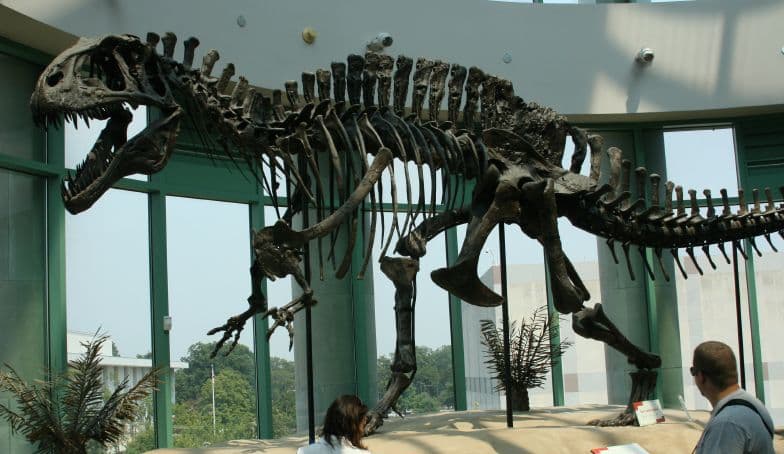
Acrocanthosaurus is a genus of large theropod dinosaurs that roamed North America during the Early and Late Cretaceous periods. Known for its distinctive high neural spines along its back, it was one of the largest predators in its ecosystem, likely preying on large herbivores.
Alashansaurus
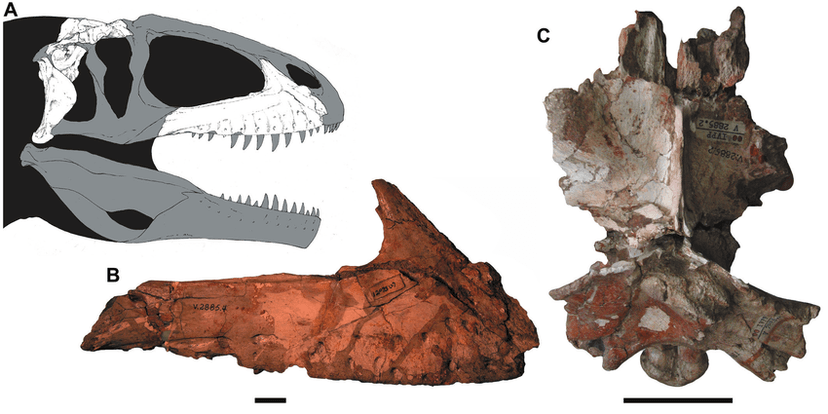
Shaočilong (meaning "shark toothed dragon") was an extinct genus of theropod dinosaur that lived during the Early Cretaceous period in what is now China. Initially classified as a carcharodontosaurid, its exact phylogenetic placement has been subject to debate, with some studies suggesting it may be a tyrannosauroid or a member of the polytomic allosauroid group. Shaochilong was a relatively small carnosaur, estimated to be around 5 to 6 meters in length and weighing approximately 500 kilograms.