
Agnosphitys
Unknown·Late Triassic·Avon, England·Unknown
Agnosphitys is a genus of dinosauriform that lived during the Late Triassic period. Only one species, A. cromhallensis, is known, with its fossils discovered in Avon, England. Its precise classification has been debated, with some analyses placing it as an early theropod or a member of Guaibasauridae, while more recent studies suggest it was a silesaurid.
Key Facts
- ›Agnosphitys lived during the Late Triassic period, with some specimens possibly extending into the Early Jurassic.
- ›The only known species is Agnosphitys cromhallensis.
- ›Fossils were discovered in Avon, England, within a sinkhole formed in Lower Carboniferous limestones.
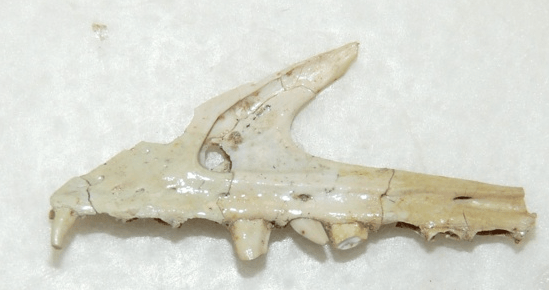
- ›Its remains include an ilium, maxilla, astragalus, and humerus.
- ›The genus has been variably classified as a theropod, a member of Guaibasauridae, or a silesaurid.
- ›The scientific name "Agnosphitys" means "unknown begetter".
- Possessed a well-defined brevis fossa on the ilium.
- Had a semi-perforate acetabulum.
- Featured a 'kidney-shaped' antitrochanter.
- Exhibited a well-developed posterior portion of the iliac blade.
- Had two sacral vertebrae.
- The humerus had a subrectangular deltopectoral crest, approximately 33% of the humerus's length.
- The astragalus had a distinct ascending process and a prominent depression posterior to it, with an acute anteromedial corner in dorsal aspect.
England
About Agnosphitys
Agnosphitys is a genus of dinosauriform that lived during the Late Triassic period. The sole species, Agnosphitys cromhallensis, is known from fossil remains discovered in Avon, England. These fossils, including an ilium, maxilla, astragalus, and humerus, date variously from the Norian and Rhaetian stages of the Late Triassic, with some evidence suggesting it may have persisted as late as the Hettangian stage of the Early Jurassic.
Discovery and Classification
The species was formally described in 2002 by Nicholas Fraser and his colleagues. The fossils were found within a sinkhole that formed in Lower Carboniferous limestones. Due to the limited fossil material, the precise classification of Agnosphitys has been a subject of scientific debate. Initial analyses placed it outside of Dinosauria based on specific anatomical criteria. However, subsequent phylogenetic studies have yielded differing results, with some recovering Agnosphitys as a theropod, others as a member of Guaibasauridae, and more recent research suggesting it belongs to the clade Silesauridae.
Physical Characteristics
Key features identified from the fossil fragments include a well-defined brevis fossa on the ilium, a semi-perforate acetabulum, and a 'kidney-shaped' antitrochanter. The iliac blade has a well-developed posterior portion, and there were two sacral vertebrae. The humerus exhibits a subrectangular deltopectoral crest, measuring about one-third of the humerus length. The astragalus is characterized by a distinct ascending process and a prominent depression posterior to it, with an acute anteromedial corner when viewed dorsally.
Source: Wikipedia ↗
Frequently Asked Questions
When did Agnosphitys live?
Agnosphitys lived during the Late Triassic period. Some of its fossils date from the Norian and Rhaetian stages, and potentially as late as the Hettangian stage of the Early Jurassic.
Where were Agnosphitys fossils found?
The fossils of Agnosphitys were discovered in Avon, England. They were likely recovered from a fissure fill that was a sinkhole formed in Lower Carboniferous limestones.
What does the name Agnosphitys mean?
The scientific name Agnosphitys means "unknown begetter." It is sometimes mistakenly referred to as Agnostiphys or Agnosphytis.
What fossils have been found for Agnosphitys?
The known remains of Agnosphitys include an ilium, maxilla, astragalus, and humerus. These fossils come from two specimens.
What group of dinosaurs does Agnosphitys belong to?
The classification of Agnosphitys has varied. Early analyses suggested it might be a theropod or a member of Guaibasauridae, but more recent studies consider it to be a silesaurid.
Related Dinosaur species
Alwalkeria
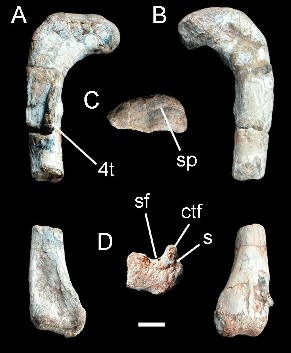
Alwalkeria is a genus of extinct avemetatarsalian from the Late Triassic of India. Originally described as a theropod dinosaur, subsequent research has revealed its fossil material to be chimaeric, belonging to multiple unrelated taxa. Its precise classification remains uncertain, with current interpretations placing it within Avemetatarsalia of indeterminate placement.
Clepsysaurus
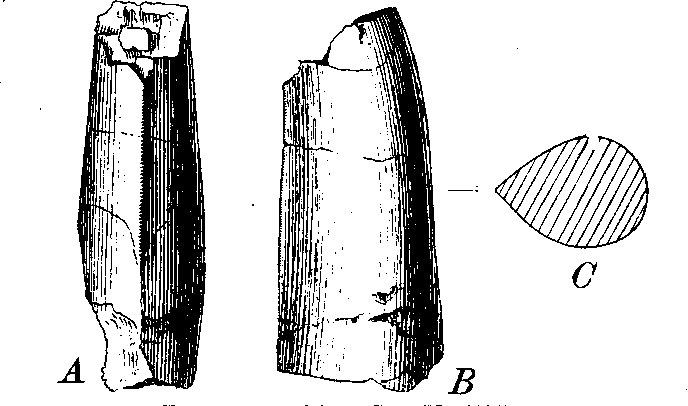
Clepsysaurus is a dubious genus of extinct archosaur from the Carnian Passaic and Lockatong Formations of Pennsylvania. Two species, C. pennsylvanicus and C. veatleianus, are known, primarily represented by isolated teeth and bone fragments. Its exact classification has been debated, with early interpretations placing it as a sauropodomorph, but later studies suggest it may be a basal archosaur or a phytosaur.
Dasygnathoides
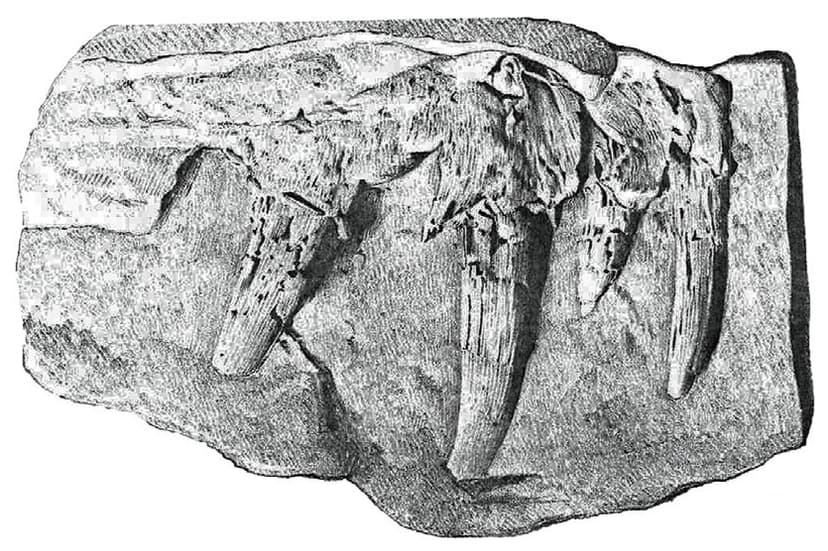
Dasygnathoides is an extinct genus of pseudosuchian that lived during the Late Triassic period in what is now Scotland. Known from limited fossil remains, including a maxilla and pterygoid, its exact classification within pseudosuchians remains uncertain, with some paleontologists considering it a nomen dubium. It is notable for being one of the largest predatory tetrapods discovered from Triassic Scotland.