
Clepsysaurus
Unknown·Late Triassic·Pennsylvania, USA·Unknown
Clepsysaurus is a dubious genus of extinct archosaur from the Carnian Passaic and Lockatong Formations of Pennsylvania. Two species, C. pennsylvanicus and C. veatleianus, are known, primarily represented by isolated teeth and bone fragments. Its exact classification has been debated, with early interpretations placing it as a sauropodomorph, but later studies suggest it may be a basal archosaur or a phytosaur.
Key Facts
- ›Clepsysaurus is a dubious genus of archosaur from the Carnian period.
- ›Fossils have been discovered in Pennsylvania, USA.
- ›Two species are recognized: C. pennsylvanicus and C. veatleianus.
- ›The genus is primarily known from teeth and fragmentary skeletal remains.
- ›Its classification has been debated, with suggestions ranging from basal archosaur to phytosaur.
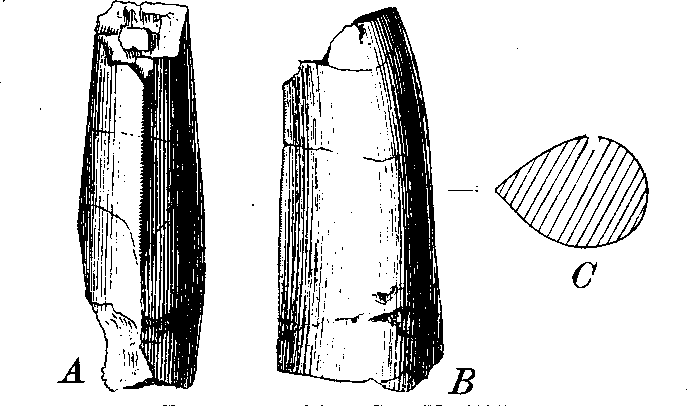
- Known from teeth, ribs, and vertebrae.
- Some specimens include jaw fragments and portions of the temporal region.
Palaeosaurus, Anchisaurus
North America
About Clepsysaurus
Clepsysaurus is a genus of extinct archosaur that lived during the Late Triassic period. Its fossils have been found in Pennsylvania, USA, within the Passaic and Lockatong Formations. The genus name is derived from the Greek words 'klepsúdra,' meaning 'water thief,' and 'saûros,' meaning 'lizard.'
Discovery and Classification
Two species are recognized under the genus Clepsysaurus: C. pennsylvanicus, described by Isaac Lea in 1851, and C. veatleianus, described by Edward Drinker Cope in 1876. The fossil evidence for Clepsysaurus is primarily composed of isolated teeth, ribs, and vertebrae, leading to its classification as a dubious genus. Historically, Clepsysaurus was categorized as a sauropodomorph. However, more recent scientific studies suggest it may have been a basal archosaur or a member of the Phytosauria. At various times, Clepsysaurus was considered a synonym for other genera, such as Palaeosaurus or Anchisaurus, but it has since been re-established as a valid, though uncertain, genus.
Fossil Evidence
The holotype specimen for C. pennsylvanicus includes teeth, ribs, and vertebrae from the Passaic Formation. Additional specimens found in both the Passaic and Lockatong Formations consist of jaw fragments (dentaries with numerous teeth) and parts of the skull's temporal region. For C. veatleianus, the known fossils are limited to single teeth. The fragmentary nature of the fossil record contributes to the ongoing debate regarding Clepsysaurus's precise phylogenetic placement.
Source: Wikipedia ↗
Frequently Asked Questions
What does the name Clepsysaurus mean?
The name Clepsysaurus comes from the Greek words 'klepsydra' (water thief) and 'sauros' (lizard). This naming likely relates to the geological formations where its fossils were found.
Where were Clepsysaurus fossils found?
Fossils attributed to Clepsysaurus have been discovered in Pennsylvania, specifically within Lehigh County and York County. These discoveries were made in the Passaic Formation and the Lockatong Formation.
What species of Clepsysaurus are known?
Two species of Clepsysaurus are recognized: the type species, Clepsysaurus pennsylvanicus, and Clepsysaurus veatleianus. The species differ in the specific specimens and locations of their discovery.
What kind of dinosaur was Clepsysaurus?
Clepsysaurus was traditionally classified as a sauropodomorph. However, more recent analyses suggest it might have been a dubious basal archosaur or a member of the Phytosauria, indicating uncertainty about its precise group.
What evidence exists for Clepsysaurus?
The evidence for Clepsysaurus consists mainly of isolated teeth, ribs, and vertebrae. Some more complete jaw fragments and portions of the skull have also been found, but the fossil record is considered fragmentary.
Has the classification of Clepsysaurus changed over time?
Yes, the classification of Clepsysaurus has evolved. Initially considered a sauropodomorph, later studies proposed it might be a basal archosaur or a phytosaur. It has also been considered a synonym for other genera, but was later revalidated as a valid, albeit dubious, genus.
Related Dinosaur species
Agnosphitys
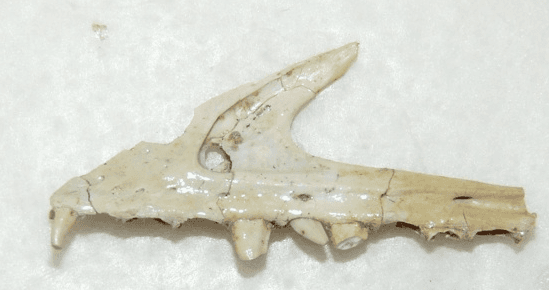
Agnosphitys is a genus of dinosauriform that lived during the Late Triassic period. Only one species, A. cromhallensis, is known, with its fossils discovered in Avon, England. Its precise classification has been debated, with some analyses placing it as an early theropod or a member of Guaibasauridae, while more recent studies suggest it was a silesaurid.
Alwalkeria
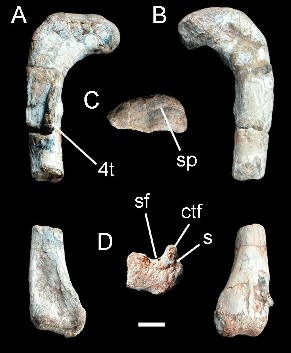
Alwalkeria is a genus of extinct avemetatarsalian from the Late Triassic of India. Originally described as a theropod dinosaur, subsequent research has revealed its fossil material to be chimaeric, belonging to multiple unrelated taxa. Its precise classification remains uncertain, with current interpretations placing it within Avemetatarsalia of indeterminate placement.
Dasygnathoides
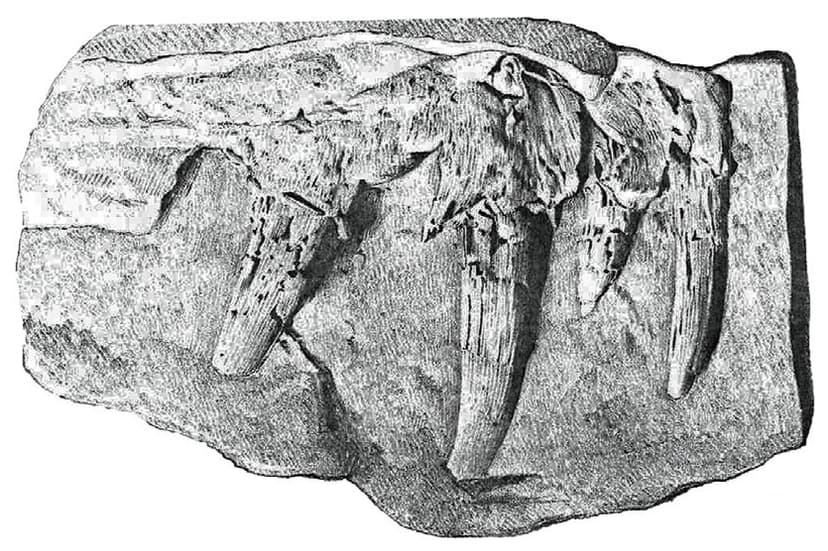
Dasygnathoides is an extinct genus of pseudosuchian that lived during the Late Triassic period in what is now Scotland. Known from limited fossil remains, including a maxilla and pterygoid, its exact classification within pseudosuchians remains uncertain, with some paleontologists considering it a nomen dubium. It is notable for being one of the largest predatory tetrapods discovered from Triassic Scotland.