
Albalophosaurus
Unknown·Early Cretaceous·Japan·Unknown
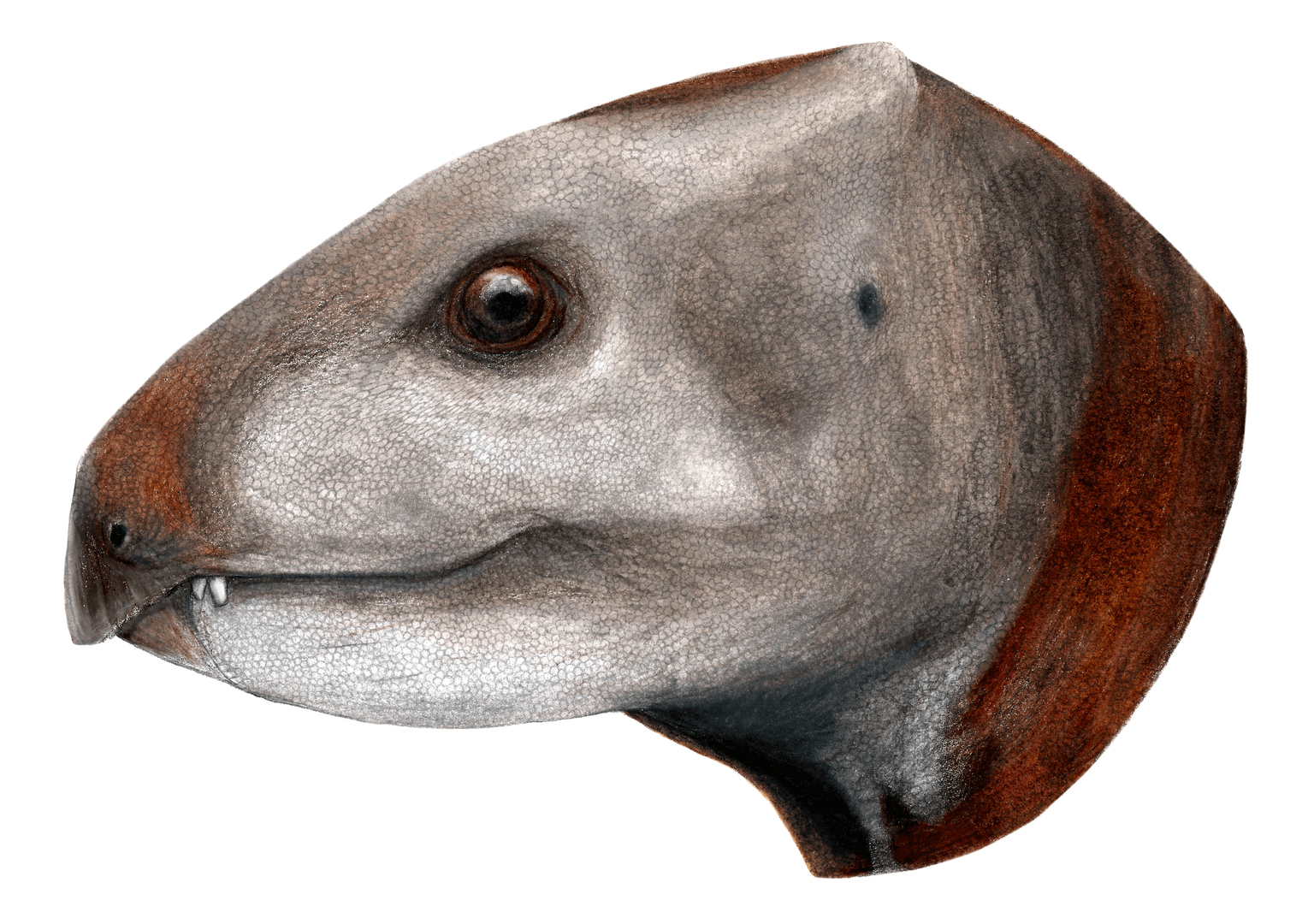
Albalophosaurus was a genus of ornithischian dinosaur that inhabited Japan during the Early Cretaceous period. Its name, meaning "white crest lizard," refers to a snow-covered mountain near its discovery site. The classification of Albalophosaurus has been debated, with various analyses suggesting it could be a basal ceratopsian, a pachycephalosaurian, or a sister taxon to Marginocephalia.
Key Facts
- ›Lived in Japan during the Early Cretaceous.
- ›Its name means 'white crest lizard'.
- ›Fossils were discovered in the Kuwajima Formation.
- ›The holotype is an incomplete skull and lower jaw of a juvenile.
- ›Its exact taxonomic placement is uncertain.
- ›It is considered a marginocephalian ornithischian dinosaur.
- Cranial bones from an incomplete, disarticulated skull
- Left lower jaw
Japan
About Albalophosaurus
Albalophosaurus is a genus of ornithischian dinosaur that lived in Japan during the Early Cretaceous period. Its scientific name, Albalophosaurus yamaguchiorum, translates to 'white crest lizard' and is inspired by the snow-covered Mount Hakusan, a significant landmark near where its fossils were discovered.
History of Discovery
The genus and type species were described in 2009, based on remains unearthed in 1997 by Yoshinori Kobayashi. The fossils, found in the Kuwajima Formation in central Japan, consist of cranial bones from an incomplete, disarticulated skull and a left lower jaw, believed to belong to a single juvenile individual. The specific name honors Ichio and Mikiko Yamaguchi for their contributions to discovering and preparing fossils from the site. The Kuwajima Formation's exact age is not precisely known due to a lack of index fossils, but it is confidently placed within the Early Cretaceous, likely post-Berriasian and pre-Barremian, with more recent estimates suggesting a Valanginian-Hauterivian age.
Phylogeny and Classification
The taxonomic placement of Albalophosaurus has been a subject of considerable discussion. Initial phylogenetic analyses, conducted alongside its description, classified it as a basal ceratopsian. However, the presence of only one ambiguous synapomorphy of the clade in the holotype, and the absence of unambiguous defining synapomorphies of Ceratopsia, led to its referral to Cerapoda incertae sedis. Later studies have yielded conflicting results; some have placed it as a ceratopsian more derived than early forms but basal to later ones. Other analyses have suggested it might be a basal pachycephalosaurian or even a sister taxon to the entire Marginocephalia group. Due to these varied outcomes, the definitive taxonomic position of Albalophosaurus remains uncertain.
Source: Wikipedia ↗
Frequently Asked Questions
What does the name Albalophosaurus mean?
The name Albalophosaurus means 'white crest lizard'. It is derived from the Latin word 'albus' meaning 'white' and the Greek word 'lophos' meaning 'crest'. This name is a reference to the snow-covered crest of Mount Hakusan, a location near where its fossils were found.
Where was Albalophosaurus discovered?
Albalophosaurus fossils were discovered in the Kuwajima Formation of central Japan. The specific discovery site was in Hakusan, Ishikawa Prefecture.
When did Albalophosaurus live?
Albalophosaurus lived during the Early Cretaceous period. While the exact age of the Kuwajima Formation is uncertain, it is believed to have formed most likely between the Valanginian and Hauterivian stages.
What is known about the fossils of Albalophosaurus?
The holotype specimen of Albalophosaurus consists of cranial bones from an incomplete, disarticulated skull and a left lower jaw. These remains are thought to belong to a single juvenile individual.
What group of dinosaurs does Albalophosaurus belong to?
Albalophosaurus is classified as a marginocephalian ornithischian dinosaur. However, its precise phylogenetic placement has been a subject of debate among paleontologists, with some analyses suggesting it may be a basal ceratopsian or even a sister taxon to Marginocephalia.
Related Dinosaur species
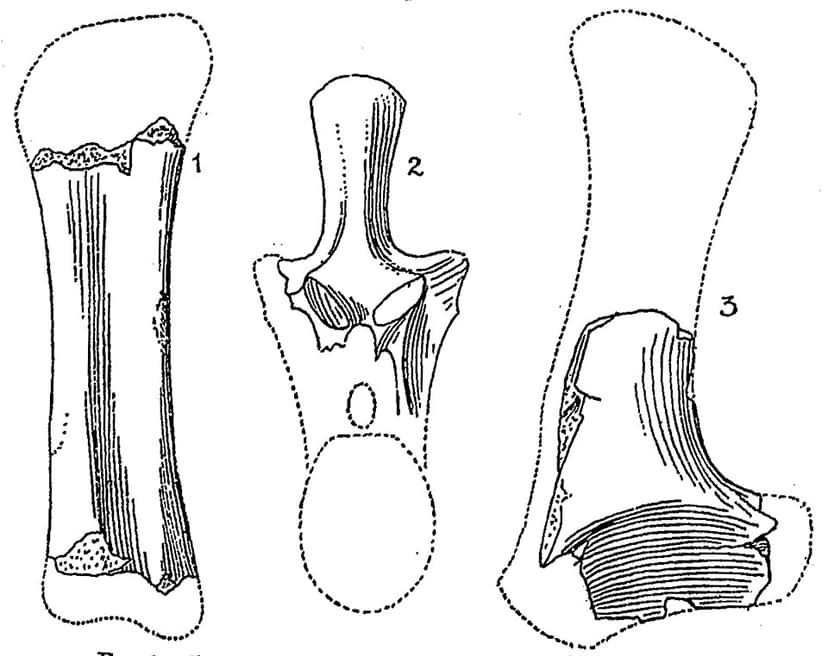
Algoasaurus
Algoasaurus is a genus of sauropod dinosaur that lived during the Early Cretaceous period in what is now South Africa. Only one species, A. bauri, is known. Due to the fragmentary nature of its fossil remains, its exact classification and physical characteristics remain uncertain, though it is generally considered a eusauropod.

Bayannurosaurus
Bayannurosaurus perfectus is an extinct species of ornithopod dinosaur that lived during the Early Aptian period. Discovered in China, this large iguanodontian is known for its remarkably complete fossil remains, which have provided significant insights into its anatomy and evolutionary placement within the Ankylopollexia group.

Chondrosteosaurus
Chondrosteosaurus was a dubious genus of sauropod dinosaur from the Early Cretaceous Wessex Formation of England. Named for its "cartilage and bone" vertebrae, the genus is now considered a nomen dubium due to a lack of diagnostic features in its fossil remains.