
Albertavenator
Albertavenator is a genus of small troodontid theropod dinosaur that lived in Alberta, Canada, during the early Maastrichtian stage of the Late Cretaceous period, approximately 71 million years ago. Known from partial skull material, its distinct cranial features, particularly its short and broad frontal bones, differentiate it from other troodontids. The recognition of Albertavenator has helped to clarify the diversity of small theropods in North America during this period.
Key Facts
- ›Lived approximately 71 million years ago during the early Maastrichtian stage of the Late Cretaceous.
- ›Known from the Horseshoe Canyon Formation in Alberta, Canada.
- ›Named Albertavenator curriei in honor of paleontologist Philip J. Currie.
- ›Distinguished by its short and broad frontal bones, a feature unique among known Late Cretaceous troodontids.
- ›It is a member of the Troodontidae family.
- ›Fossils consist of parts of the skull, specifically frontal bones.

- Small-bodied troodontid
- Known from parts of the skull, specifically frontal bones
- Frontal bone is notably short and broad, with a length-to-width ratio of less than 1.3
- Unique configuration of the frontoparietal suture
- Enlarged lappet overlapping the anteromedial process of the parietal
- Truncated supraciliary foramen
Troodon, Stenonychosaurus
North America
About Albertavenator
Albertavenator is a genus of small troodontid theropod dinosaur that roamed the Earth during the early Maastrichtian stage of the Late Cretaceous period, approximately 71 million years ago. Its name, "Alberta hunter," reflects both its discovery location in Alberta, Canada, and its predatory lifestyle. Albertavenator is currently known from a single species, Albertavenator curriei, named in honor of the esteemed Canadian paleontologist Philip J. Currie for his significant contributions to theropod research.
Discovery and Description
The existence of Albertavenator is known from limited fossil evidence, primarily parts of the skull, specifically the frontal bones. The holotype specimen was unearthed from the Horseshoe Canyon Formation near Drumheller, Alberta. Initial discoveries were sometimes misidentified, but detailed study of the frontal bone morphology revealed distinctive anatomical features that set Albertavenator apart from other troodontids. These unique characteristics include a notably short and broad frontal bone, a feature not observed in other Late Cretaceous troodontids, along with specific arrangements of sutures and foramina within the cranial roof.
Classification and Paleoecology
Albertavenator is classified within the family Troodontidae, a group of small, bird-like theropods. Its recognition has been instrumental in refining the understanding of the diversity of small theropods present in North America during the Late Cretaceous, highlighting the limitations of relying solely on isolated teeth for taxonomic identification. The Horseshoe Canyon Formation, where Albertavenator fossils were found, represents a varied ecosystem comprising floodplains, estuaries, swamps, and coastal areas. This environment supported a rich fauna, including large tyrannosaurids like Albertosaurus, alongside various herbivores, and a diverse array of smaller theropods. The climate during this time was cooler than in some contemporaneous formations.
Source: Wikipedia ↗
Frequently Asked Questions
What does Albertavenator mean?
Albertavenator means "Alberta hunter." The genus name refers to the Canadian province where its fossils were discovered, and the "hunter" part reflects its classification as a theropod dinosaur.
Where was Albertavenator found?
Fossils of Albertavenator were discovered in the Horseshoe Canyon Formation in Alberta, Canada, near the town of Drumheller.
What kind of dinosaur was Albertavenator?
Albertavenator was a small-bodied troodontid theropod dinosaur. Troodontids are known for being relatively small, agile, and often intelligent dinosaurs.
What makes Albertavenator unique?
Albertavenator is distinguished by its unique cranial features, particularly its frontal bones. These bones are notably short and broad compared to other known troodontids from the Late Cretaceous.
What period did Albertavenator live in?
Albertavenator lived during the early Maastrichtian stage of the Late Cretaceous period, approximately 71 million years ago.
What was the environment like where Albertavenator lived?
The Horseshoe Canyon Formation indicates a diverse environment including floodplains, estuaries, swamps, and coastal areas. The climate was cooler than in some other nearby formations, with common plant life like redwoods, spruces, and ferns.
Related Dinosaur species

Albertosaurus
Albertosaurus is a genus of large tyrannosaurid dinosaur that lived in northwestern North America during the Late Cretaceous period, approximately 71 million years ago. Known for its bipedal predatory nature, it was significantly smaller than its famous relative, Tyrannosaurus rex. Extensive fossil discoveries, particularly from the Dry Island bone bed in Alberta, Canada, have provided significant insights into its anatomy, growth, and behavior.

Atrociraptor
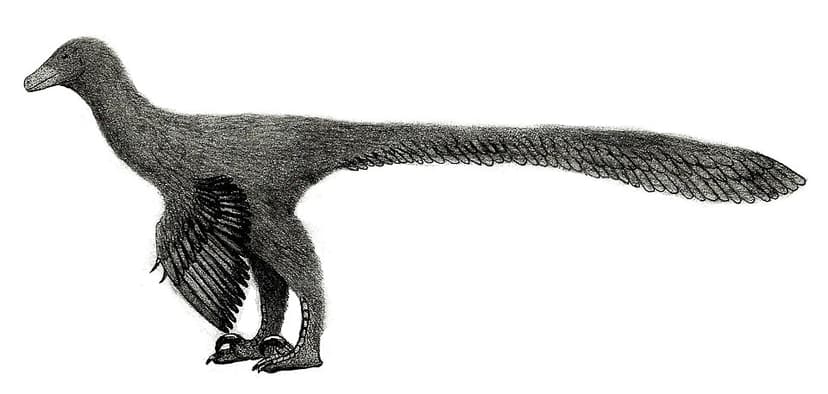
Atrociraptor was a small, predatory dromaeosaurid dinosaur that lived in what is now Alberta, Canada, during the Late Cretaceous period. Known for its deep snout and distinctively inclined teeth, it is believed to have been adapted for attacking larger prey compared to its relatives. Its fossils, primarily skull fragments and isolated teeth, were discovered in the Horseshoe Canyon Formation.
Boreonykus
Boreonykus is an extinct genus of dromaeosaurid dinosaur that lived in what is now Canada during the Late Cretaceous period. Its fossils were discovered in Alberta, Canada, and the type species, Boreonykus certekorum, was named in 2015. This dinosaur was a member of the Dromaeosauridae family, specifically placed within the Velociraptorinae subfamily, though later classifications have suggested it belongs to the Dromaeosaurinae.