
Albertosaurus
Albertosaurus is a genus of large tyrannosaurid dinosaur that lived in northwestern North America during the Late Cretaceous period, approximately 71 million years ago. Known for its bipedal predatory nature, it was significantly smaller than its famous relative, Tyrannosaurus rex. Extensive fossil discoveries, particularly from the Dry Island bone bed in Alberta, Canada, have provided significant insights into its anatomy, growth, and behavior.
Key Facts
- ›Lived in northwestern North America during the Late Cretaceous period.
- ›Was a bipedal predator with a massive head and sharp teeth.
- ›Estimated to be 8-9 meters (26-30 ft) long and weigh 1.7-3.0 metric tons.
- ›Fossils of over 30 individuals have been found, offering detailed anatomical knowledge.
- ›The Dry Island bone bed contains the remains of at least 12 to 26 individuals, suggesting gregarious behavior.
- ›Its closest relative is Gorgosaurus libratus.

- Bipedal predator
- Massive head, approximately 1 meter long in adults
- Short arms with two-fingered hands
- Long, muscular tail for balance
- Long legs ending in a four-toed foot
- Estimated length of 8-9 meters
- Estimated weight of 1.7-3.0 metric tons
- Possessed sharp, banana-shaped teeth, some with serrations resembling engineering principles
- Had short bony crests above the eyes
Gorgosaurus Libratus, Tyrannosaurus Rex, Daspletosaurus
Canada, Mexico, United States
About Albertosaurus
Albertosaurus is a genus of large tyrannosaurid dinosaurs that roamed northwestern North America during the Late Cretaceous period, approximately 71 million years ago. Its scientific name, meaning "Alberta lizard," directly references the Canadian province where its fossils were first discovered. As a member of the tyrannosaurid family, Albertosaurus was a formidable bipedal predator, characterized by a massive skull, sharp teeth, powerful vision, and a strong bite force. While a substantial predator, it was notably smaller than its more famous relative, Tyrannosaurus rex, with adults typically reaching lengths of 8 to 9 meters and weighing between 1.7 to 3.0 metric tons.
Discovery and Fossil Record
The fossil record for Albertosaurus is remarkably extensive, with remains from over 30 individuals unearthed since the first discovery in 1884. This wealth of fossil material provides scientists with a detailed understanding of Albertosaurus anatomy, surpassing that of many other tyrannosaurids. The discovery of a bone bed containing the remains of at least 12 to 26 individuals in Dry Island Buffalo Jump Provincial Park, Alberta, has been particularly significant. This site offers crucial evidence of gregarious behavior and allows for in-depth studies of the dinosaur's ontogeny (growth) and population biology, which are often difficult to conduct for lesser-known species due to more fragmentary fossil evidence.
Anatomy and Biology
Albertosaurus shared the general body plan of tyrannosaurids, featuring a large, heavy head balanced by a long, muscular tail. Its forelimbs were comparatively small, equipped with only two functional fingers. The legs were long and robust, adapted for bipedal locomotion. Skin impressions reveal pebbly, hexagonal, and diamond-shaped scales, with some larger feature scales also preserved. The skull, about a meter long in adults, contained numerous sharp, banana-shaped teeth, with specialized premaxillary teeth at the front of the jaw. The serrations on its teeth featured unique adaptations, similar to modern engineering principles, to prevent cracking during feeding. Analysis of bone histology indicates a rapid growth phase in its adolescence, with sexual maturity likely achieved around 14 to 16 years of age, followed by slower growth throughout its life. Mortality rates increased significantly during adolescence and adulthood, possibly due to the physiological demands of growth and reproduction.
Source: Wikipedia ↗
Frequently Asked Questions
What does the name Albertosaurus mean?
The name Albertosaurus means "Alberta lizard." It is named after the Canadian province of Alberta, where the first remains were discovered. The suffix "sauros" is Greek for lizard, a common ending for dinosaur names.
How large was Albertosaurus?
Adult Albertosaurus typically measured between 8 to 9 meters (26 to 30 feet) in length and weighed an estimated 1.7 to 3.0 metric tons (1.9 to 3.3 short tons). This made it a large theropod, though considerably smaller than Tyrannosaurus rex.
What did Albertosaurus eat?
Albertosaurus was a carnivore, identified by its sharp teeth and predatory features. Its specific diet likely consisted of other dinosaurs within its ecosystem.
Where were Albertosaurus fossils found?
The primary discovery location for Albertosaurus fossils is the Canadian province of Alberta, particularly along the Red Deer River. Fossils have also been reported, though with some doubt, from parts of the United States like Montana, New Mexico, Wyoming, and Missouri, and also from Mexico.
What is the significance of the Dry Island bone bed?
The Dry Island bone bed is a remarkable fossil site containing the remains of at least 12 to 26 Albertosaurus individuals of various ages. This exceptional concentration of fossils provides evidence of gregarious behavior and allows for detailed studies of the dinosaur's growth and population biology.
How does Albertosaurus compare to Tyrannosaurus rex?
Albertosaurus was a relative of Tyrannosaurus rex but was significantly smaller. While both were large tyrannosaurids, T. rex was larger and more robust, whereas Albertosaurus had a more slender build.
Related Dinosaur species

Albertavenator
Albertavenator is a genus of small troodontid theropod dinosaur that lived in Alberta, Canada, during the early Maastrichtian stage of the Late Cretaceous period, approximately 71 million years ago. Known from partial skull material, its distinct cranial features, particularly its short and broad frontal bones, differentiate it from other troodontids. The recognition of Albertavenator has helped to clarify the diversity of small theropods in North America during this period.

Atrociraptor
Atrociraptor was a small, predatory dromaeosaurid dinosaur that lived in what is now Alberta, Canada, during the Late Cretaceous period. Known for its deep snout and distinctively inclined teeth, it is believed to have been adapted for attacking larger prey compared to its relatives. Its fossils, primarily skull fragments and isolated teeth, were discovered in the Horseshoe Canyon Formation.
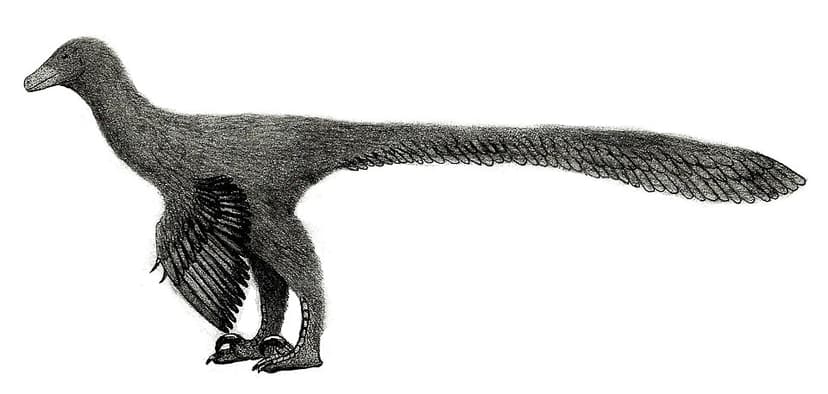
Boreonykus
Boreonykus is an extinct genus of dromaeosaurid dinosaur that lived in what is now Canada during the Late Cretaceous period. Its fossils were discovered in Alberta, Canada, and the type species, Boreonykus certekorum, was named in 2015. This dinosaur was a member of the Dromaeosauridae family, specifically placed within the Velociraptorinae subfamily, though later classifications have suggested it belongs to the Dromaeosaurinae.