
Atrociraptor
Atrociraptor was a small, predatory dromaeosaurid dinosaur that lived in what is now Alberta, Canada, during the Late Cretaceous period. Known for its deep snout and distinctively inclined teeth, it is believed to have been adapted for attacking larger prey compared to its relatives. Its fossils, primarily skull fragments and isolated teeth, were discovered in the Horseshoe Canyon Formation.
Key Facts
- ›Atrociraptor was a small dromaeosaurid, estimated to be 1.8–2 meters long and weigh 15 kg.
- ›It possessed a large sickle-claw on its second toe, typical of dromaeosaurids.
- ›Distinguishing features include a deep snout and teeth that are more strongly inclined backwards than in most other dromaeosaurids.
- ›Fossils were discovered in the Horseshoe Canyon Formation in Alberta, Canada.
- ›It lived during the Maastrichtian age of the Late Cretaceous period, approximately 72.2–69.6 million years ago.
- ›Atrociraptor is believed to have been specialized for attacking larger prey due to its deep snout.

- Estimated length of 1.8–2 meters
- Estimated weight of 15 kg
- Deep snout
- Teeth strongly inclined backwards and nearly uniform in size
- Large sickle-claw on the second toe
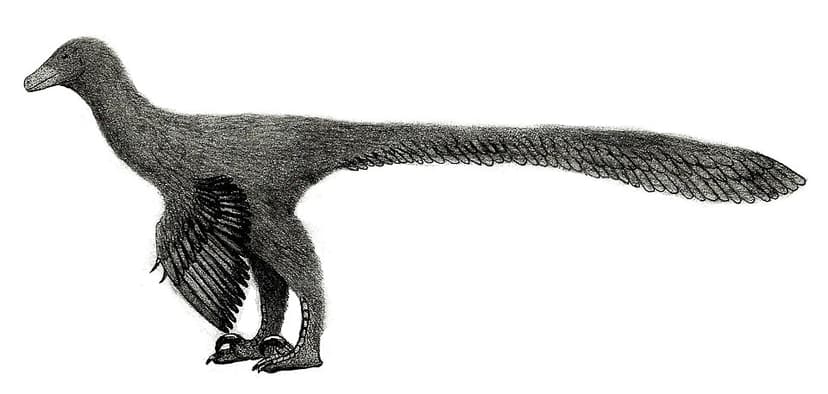
- Pennaceous feathers likely present
Deinonychus, Saurornitholestes, Velociraptor, Bambiraptor, Dromaeosaurus, Acheroraptor, Dakotaraptor
North America
About Atrociraptor
Atrociraptor: The Savage Robber of the Cretaceous
Atrociraptor is a genus of dromaeosaurid dinosaur that roamed the landscapes of what is now Alberta, Canada, during the Late Cretaceous period. Living approximately 72.2 to 69.6 million years ago, this relatively small predator is known from fragmented fossil remains, primarily a partial skull and isolated teeth, discovered in the Horseshoe Canyon Formation. Its scientific name, derived from Latin, translates to "savage robber," a fitting moniker for a creature believed to have been adapted for tackling prey larger than itself.
Physical Characteristics and Adaptations
Estimated to have measured around 1.8 to 2 meters (5.9 to 6.6 feet) in length and weighing about 15 kilograms (33 pounds), Atrociraptor was comparable in size to its more famous relative, Velociraptor. Like other dromaeosaurids, it possessed the characteristic large sickle-claw on its second toe, likely used for grasping prey. What sets Atrociraptor apart are its distinct cranial features, including a notably deep snout and teeth that are more strongly inclined backwards and are nearly uniform in size. These traits, combined with its deep maxillae, suggest an adaptation for dealing with vertebrate prey, possibly larger than what other contemporary dromaeosaurids might have targeted.
Discovery and Classification
The holotype specimen of Atrociraptor was discovered in 1995 by fossil collector Wayne Marshall in the Horseshoe Canyon Formation. It was formally described and named Atrociraptor marshalli in 2004 by Philip J. Currie and David Varricchio. The exact phylogenetic placement of Atrociraptor within the dromaeosaurid family has been subject to debate due to the fragmentary nature of its remains. Early classifications placed it within the Velociraptorinae subfamily, but more recent analyses, particularly those utilizing extensive phylogenetic datasets, have consistently grouped it within the Saurornitholestinae, alongside species like Saurornitholestes. This classification suggests a close relationship with other North American dromaeosaurids.
Palaeoenvironment and Behaviour
Atrociraptor inhabited a humid environment characterized by wetlands, coastal plains, or fluvial systems, as indicated by the sedimentary deposits of the Horseshoe Canyon Formation. These areas were rich in organic materials and supported a diverse array of fauna. Research into dromaeosaurid locomotion and prey capture suggests that the sickle-claws were primarily used for gripping and restraining struggling prey, allowing the dinosaur to dismember its meal with its powerful jaws. The specialized cranial morphology of Atrociraptor further supports the hypothesis that it may have focused on larger prey within its ecosystem.
Source: Wikipedia ↗
Frequently Asked Questions
What does the name Atrociraptor mean?
The generic name Atrociraptor is derived from the Latin words 'atrox' meaning 'savage' and 'raptor' meaning 'robber'. Thus, Atrociraptor translates to 'savage robber'.
How large was Atrociraptor?
Atrociraptor is estimated to have measured about 1.8 to 2 meters (5.9 to 6.6 feet) in length and weighed around 15 kilograms (33 pounds). This makes it a relatively small dromaeosaurid.
Where were Atrociraptor fossils found?
The holotype specimen of Atrociraptor was discovered in the Horseshoe Canyon Formation in Alberta, Canada. Isolated teeth assigned to the genus have also been found in other parts of the formation.
What did Atrociraptor eat?
As a dromaeosaurid, Atrociraptor was a carnivore. Its deep snout and specialized teeth suggest it may have been adapted for attacking and handling larger prey than some of its relatives.
When did Atrociraptor live?
Atrociraptor lived during the Late Cretaceous period, specifically the Maastrichtian age. The holotype specimen dates to around 72.2–71.5 million years ago, with other assigned teeth suggesting it may have existed for over 2 million years.
What are the distinctive physical characteristics of Atrociraptor?
Atrociraptor is distinguished by its deep snout and teeth that are more strongly inclined backwards than in most other dromaeosaurids, with teeth being nearly uniform in size. Like other dromaeosaurids, it would have possessed a large sickle-claw on its second toe and likely had feathers.
Related Dinosaur species

Albertavenator
Albertavenator is a genus of small troodontid theropod dinosaur that lived in Alberta, Canada, during the early Maastrichtian stage of the Late Cretaceous period, approximately 71 million years ago. Known from partial skull material, its distinct cranial features, particularly its short and broad frontal bones, differentiate it from other troodontids. The recognition of Albertavenator has helped to clarify the diversity of small theropods in North America during this period.

Albertosaurus
Albertosaurus is a genus of large tyrannosaurid dinosaur that lived in northwestern North America during the Late Cretaceous period, approximately 71 million years ago. Known for its bipedal predatory nature, it was significantly smaller than its famous relative, Tyrannosaurus rex. Extensive fossil discoveries, particularly from the Dry Island bone bed in Alberta, Canada, have provided significant insights into its anatomy, growth, and behavior.
Boreonykus
Boreonykus is an extinct genus of dromaeosaurid dinosaur that lived in what is now Canada during the Late Cretaceous period. Its fossils were discovered in Alberta, Canada, and the type species, Boreonykus certekorum, was named in 2015. This dinosaur was a member of the Dromaeosauridae family, specifically placed within the Velociraptorinae subfamily, though later classifications have suggested it belongs to the Dromaeosaurinae.