
Boreonykus
Boreonykus is an extinct genus of dromaeosaurid dinosaur that lived in what is now Canada during the Late Cretaceous period. Its fossils were discovered in Alberta, Canada, and the type species, Boreonykus certekorum, was named in 2015. This dinosaur was a member of the Dromaeosauridae family, specifically placed within the Velociraptorinae subfamily, though later classifications have suggested it belongs to the Dromaeosaurinae.
Key Facts
- ›Boreonykus lived during the Late Cretaceous period.
- ›Fossils were found in Alberta, Canada.
- ›It is classified as a dromaeosaurid dinosaur.
- ›The type species is Boreonykus certekorum.
- ›Its scientific name references its northern habitat and the company that supported excavations.
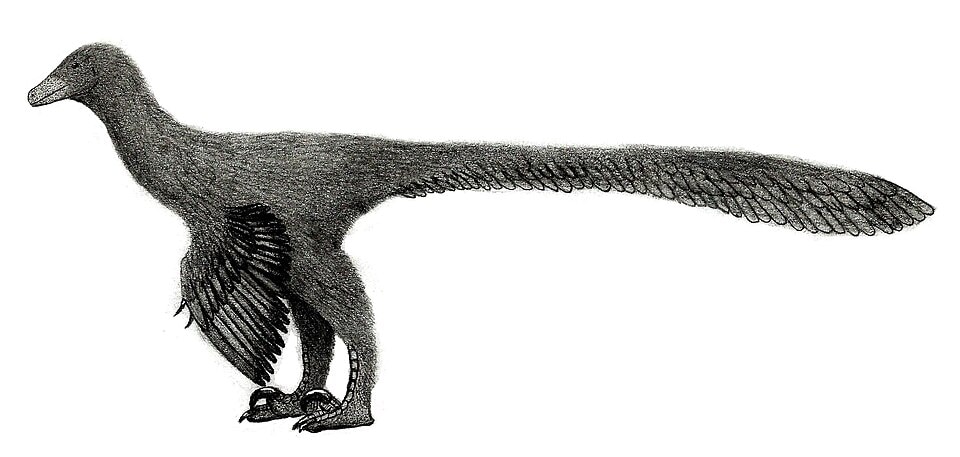
- Possessed sickle claws on the feet, characteristic of dromaeosaurids.
- Features unique ridges around the supratemporal fenestrae depressions on the frontal bone.
Canada
About Boreonykus
Boreonykus is an extinct genus of dromaeosaurid dinosaur that inhabited the region of present-day Canada during the Late Cretaceous period. The fossil remains, though fragmentary, were discovered in Alberta, Canada, primarily at the Pipestone Creek site. This site is notable for containing a bonebed with numerous individuals of the ceratopsid dinosaur Pachyrhinosaurus lakustai.
Naming and Classification
The type species, Boreonykus certekorum, was formally named and described in 2015 by Phil Bell and Philip John Currie. The genus name, a variation of 'Boreonychus,' signifies 'northern claw,' reflecting its geographic location and likely predatory adaptations. The species name, certekorum, is an honorific for the Certek company, which provided financial support for the excavations where the fossils were found.
Initially, fragmentary remains were partly referred to Saurornitholestes sp. before the distinct genus Boreonykus was established. Within the Dromaeosauridae family, Boreonykus has seen shifts in its taxonomic placement. It was initially placed in the Velociraptorinae, but later analyses in 2021 recovered it within the Dromaeosaurinae, which has implications for understanding the geographic distribution of velociraptorines, suggesting a more restricted distribution to Asia.
Fossil Evidence and Characteristics
The holotype specimen of Boreonykus, dating to the late Campanian stage (approximately 73.27 million years ago), consists of a right frontal bone. Additional referred material includes fourteen loose teeth and several postcranial bones, such as a caudal vertebra and foot claws, including a characteristic sickle claw. One distinctive feature noted is the unique arrangement of ridges bordering the depressions around the supratemporal fenestrae on the frontal bone, forming an acute angle of 55° pointing rearward. This suggests Boreonykus was a bipedal carnivore, typical of dromaeosaurids, though specific details about its size, weight, and overall appearance are limited by the fragmentary nature of the fossil record.
Source: Wikipedia ↗
Frequently Asked Questions
When did Boreonykus live?
Boreonykus lived during the Late Cretaceous period. Specifically, the holotype specimen dates from the late Campanian stage, approximately 73.27 million years ago.
Where were Boreonykus fossils found?
Fossils of Boreonykus were discovered in the Pipestone Creek site in central Alberta, Canada. This area is now part of present-day Canada.
What kind of dinosaur was Boreonykus?
Boreonykus was a dromaeosaurid dinosaur. Within this family, it has been classified in both the Velociraptorinae and Dromaeosaurinae subfamilies.
What does the name Boreonykus mean?
The genus name Boreonykus is a variation of 'Boreonychus,' meaning 'northern claw.' The specific name, certekorum, honors the Certek company for its financial support of the excavations.
What physical characteristics are known about Boreonykus?
The known fossil material includes a right frontal bone, loose teeth, a caudal vertebra, a claw of the second finger, and a sickle claw of the foot. A unique derived trait is the acute angle of the ridges bordering the supratemporal fenestrae depressions.
Related Dinosaur species

Albertavenator
Albertavenator is a genus of small troodontid theropod dinosaur that lived in Alberta, Canada, during the early Maastrichtian stage of the Late Cretaceous period, approximately 71 million years ago. Known from partial skull material, its distinct cranial features, particularly its short and broad frontal bones, differentiate it from other troodontids. The recognition of Albertavenator has helped to clarify the diversity of small theropods in North America during this period.

Albertosaurus
Albertosaurus is a genus of large tyrannosaurid dinosaur that lived in northwestern North America during the Late Cretaceous period, approximately 71 million years ago. Known for its bipedal predatory nature, it was significantly smaller than its famous relative, Tyrannosaurus rex. Extensive fossil discoveries, particularly from the Dry Island bone bed in Alberta, Canada, have provided significant insights into its anatomy, growth, and behavior.

Atrociraptor
Atrociraptor was a small, predatory dromaeosaurid dinosaur that lived in what is now Alberta, Canada, during the Late Cretaceous period. Known for its deep snout and distinctively inclined teeth, it is believed to have been adapted for attacking larger prey compared to its relatives. Its fossils, primarily skull fragments and isolated teeth, were discovered in the Horseshoe Canyon Formation.