
Albertonykus
Albertonykus is a small, extinct genus of alvarezsaurid dinosaur discovered in Alberta, Canada. Known from forelimb and hindlimb remains, it is interpreted as having fed on wood-nesting termites, using its specialized forelimbs for digging. Albertonykus represents the earliest known North American alvarezsaurid.
Key Facts
- ›Albertonykus lived during the Maastrichtian age of the Late Cretaceous period.
- ›Its fossils were found in the Horseshoe Canyon Formation of Alberta, Canada.
- ›It is the smallest known North American alvarezsaurid, measuring about 1.1 meters long.
- ›The dinosaur's diet is believed to have consisted of wood-nesting termites.
- ›Its forelimbs were short but powerfully built, specialized for digging.
- ›Albertonykus is classified within the theropod group Alvarezsauridae.

- Smallest known North American alvarezsaurid
- Slender hind legs
- Long rigid tail
- Unusually short, powerfully built arms with a large thumb claw
- Likely had long, slender snouts with tiny teeth
Trierarchuncus
North America
About Albertonykus
Albertonykus is an extinct genus of alvarezsaurid dinosaur that lived during the late Maastrichtian age of the Upper Cretaceous period, approximately 68.5 million years ago. The genus is known from forelimb and hindlimb remains discovered in the Horseshoe Canyon Formation of Alberta, Canada. Albertonykus holds significance as the earliest known North American alvarezsaurid, shedding light on the distribution and evolution of this unusual theropod group.
Discovery and Paleontology
Fossils of Albertonykus were uncovered through a remarkable association with a much larger dinosaur, Albertosaurus. While paleontologists Barnum Brown and later Philip John Currie's teams excavated numerous Albertosaurus remains from a bonebed in Alberta, they also collected fragments of a small, previously unrecognized theropod. These small bones, initially overlooked, were later identified by paleontologist Nick Longrich in 2005 as belonging to a new alvarezsaurid species. Subsequent examination of museum collections revealed additional fragments of Albertonykus that had not been previously identified.
Description and Lifestyle
Albertonykus is distinguished as the smallest alvarezsaurid discovered in North America, with an estimated length of 1.1 meters (3.6 feet) and a weight of around 5 kilograms (11 pounds). While no skull fossils have been found, relatives from Mongolia suggest a long, slender snout filled with small teeth, similar to modern insectivores like armadillos and anteaters. The dinosaur's forelimbs were particularly noteworthy: they were short but powerfully built, specialized for digging. This adaptation suggests that Albertonykus likely fed on wood-nesting termites, using its prominent thumb claw to tear open decaying logs in search of prey. The absence of mound-building termites during the Cretaceous period supports this hypothesis, with evidence found in the form of termite-like borings in petrified wood from the same formation.
Classification and Significance
Albertonykus belongs to the Alvarezsauridae family, a distinctive group of theropod dinosaurs. Its discovery outside of South America and Asia, where most alvarezsaurid fossils are found, provided crucial data for understanding their dispersal patterns. Phylogenetic analyses have placed Albertonykus within the Asian clade Mononykini, supporting theories of an origin in South America and subsequent migration to Asia via North America. The existence of Albertonykus significantly contributed to the understanding of alvarezsaurid biology and paleogeography.
Source: Wikipedia ↗
Frequently Asked Questions
What does the name Albertonykus mean?
The name Albertonykus means "Alberta claw." This name reflects its discovery location in Alberta, Canada, and its distinctive clawed forelimbs.
When did Albertonykus live?
Albertonykus lived during the Maastrichtian age, which is part of the Upper Cretaceous period. The fossils date to approximately 68.5 million years ago.
What did Albertonykus eat?
Albertonykus is interpreted to have fed on wood-nesting termites. Its forelimbs were specialized for digging, suggesting it used its claws to tear open rotten logs to find prey.
How large was Albertonykus?
Albertonykus was a very small dinosaur, measuring about 1.1 meters (3.6 feet) in length and weighing an estimated 5 kilograms (11 pounds). It is the smallest known alvarezsaurid found in North America.
Where were Albertonykus fossils found?
The fossils of Albertonykus were discovered in the Horseshoe Canyon Formation of Alberta, Canada. Many specimens were found in a bonebed dominated by Albertosaurus.
What is special about Albertonykus's forelimbs?
Albertonykus possessed unusually short, but powerfully built forelimbs. These were specialized for digging, likely to find insects like termites, although they were too short for burrowing.
Related Dinosaur species

Coelurosauravus
Coelurosauravus was a genus of extinct gliding reptile that lived during the Late Permian period in Madagascar. Members of this genus are distinguished by unique, long, rod-like ossifications projecting from their bodies, which are believed to have formed folding wings for gliding flight, similar to modern Draco lizards. Its scientific name, "hollow-tailed lizard grandfather," reflects its unique anatomical features and its place in evolutionary history.

Albertadromeus
Albertadromeus is an extinct genus of herbivorous dinosaur from the Late Cretaceous period, known from Alberta, Canada. It was a small, bipedal runner, likely specialized in eating ferns and low vegetation. The genus contains a single species, Albertadromeus syntarsus.
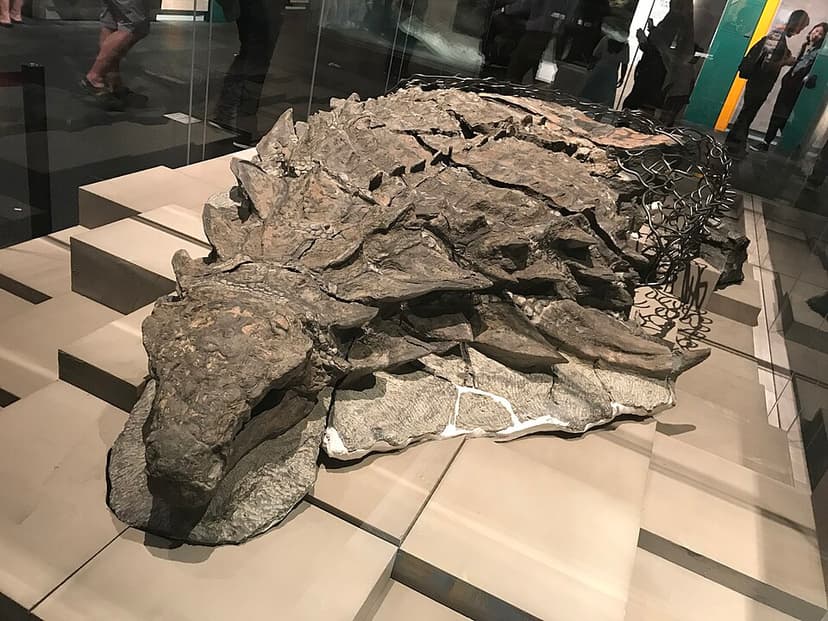
Borealopelta
Borealopelta is an extinct genus of herbivorous nodosaurid ankylosaur discovered in Alberta, Canada. Its single species, B. markmitchelli, is known from an exceptionally well-preserved fossil that includes not only its armor but also its skin, keratin sheaths, and stomach contents. This specimen provides remarkable insights into the dinosaur's appearance, diet, and defensive strategies.