
Albertadromeus
Albertadromeus is an extinct genus of herbivorous dinosaur from the Late Cretaceous period, known from Alberta, Canada. It was a small, bipedal runner, likely specialized in eating ferns and low vegetation. The genus contains a single species, Albertadromeus syntarsus.
Key Facts
- ›Albertadromeus was a small, bipedal dinosaur adapted for running.
- ›Its diet consisted primarily of ferns and low vegetation.
- ›Fossils were discovered in the Oldman Formation of Alberta, Canada.
- ›The genus name "Albertadromeus" means "runner from Alberta".
- ›Its tibia was notably elongate, indicating cursorial habits.
- ›It is considered the smallest known herbivorous dinosaur in Canada.

Small-Bodied, Bipedal, Elongate Tibia, Distal Fibula Fused To Tibia, Prominent Cnemial Crest On Tibia
Zephyrosaurus, Orodromeus, Oryctodromeus
North America
About Albertadromeus
Albertadromeus is an extinct genus of dinosaur that roamed the Earth during the Late Cretaceous period. Specifically, it is known from the middle Campanian stage, approximately 77 to 76 million years ago, in what is now Alberta, Canada. This small, bipedal dinosaur was a member of the orodromine thescelosaurid family, a group of ornithischian dinosaurs.
Discovery and Naming
The genus was first described and named in 2013 by paleontologists Caleb Marshall Brown, David C. Evans, Michael J. Ryan, and Anthony P. Russell. The genus name, Albertadromeus, combines the name of the Canadian province "Alberta" with the Greek word "dromeus," meaning "runner," reflecting its inferred cursorial capabilities. The type species, Albertadromeus syntarsus, has a specific name derived from the Greek "syn" (together) and "tarsus" (ankle), referencing the fusion of its distal tibia and fibula.
Physical Characteristics and Diet
Albertadromeus is characterized by its small size, estimated at around 1.6 meters in length and weighing about 16 kilograms. Its most notable anatomical feature is its elongated tibia, which is strongly indicative of adaptations for running. The distal fibula is reduced and fused to the anterior surface of the tibia, a condition referred to as "together-ankle." It also possessed a prominent cnemial crest on the tibia. While direct evidence of its diet is absent, its classification within Ornithopoda and its morphology suggest it was a herbivore, likely feeding on ferns and low vegetation. It is considered the smallest herbivorous dinosaur known from Canada.
Paleoecology
The holotype specimen of Albertadromeus was unearthed in the Canal Creek locality of the Upper Oldman Formation, part of the Belly River Group. This geological formation represents an ancient coastal plain environment. Albertadromeus shared its habitat with a diverse array of other dinosaurs, including large theropods like Daspletosaurus and Saurornitholestes, various ceratopsians such as Chasmosaurus and Anchiceratops, and numerous hadrosaurids like Brachylophosaurus and Parasaurolophus.
Source: Wikipedia ↗
Frequently Asked Questions
What does the name Albertadromeus mean?
The name Albertadromeus is derived from "Alberta," the Canadian province where it was found, and the Greek word "dromeus," meaning "runner." Therefore, it translates to "runner from Alberta."
What did Albertadromeus eat?
Based on its classification within Ornithopoda and its general morphology, Albertadromeus is considered a herbivore. It likely specialized in consuming ferns and low-lying vegetation.
Where were Albertadromeus fossils found?
The fossils of Albertadromeus were discovered in the Canal Creek locality within the Upper Oldman Formation, located in Alberta, Canada. This formation dates to the Campanian stage of the Cretaceous period.
How large was Albertadromeus?
Albertadromeus was a small dinosaur, estimated to be around 1.6 meters in length and weighing approximately 16 kilograms (30 pounds). It is noted as the smallest herbivorous dinosaur discovered in Canada.
What geological period did Albertadromeus live in?
Albertadromeus lived during the Late Cretaceous period, specifically during the Campanian stage, approximately 77 to 76 million years ago.
What are the key physical characteristics of Albertadromeus?
Albertadromeus was a small, bipedal dinosaur with an elongate tibia strongly correlated with running. Its distal fibula was fused to the tibia, and it had a prominent cnemial crest on its tibia.
Related Dinosaur species

Albertonykus
Albertonykus is a small, extinct genus of alvarezsaurid dinosaur discovered in Alberta, Canada. Known from forelimb and hindlimb remains, it is interpreted as having fed on wood-nesting termites, using its specialized forelimbs for digging. Albertonykus represents the earliest known North American alvarezsaurid.
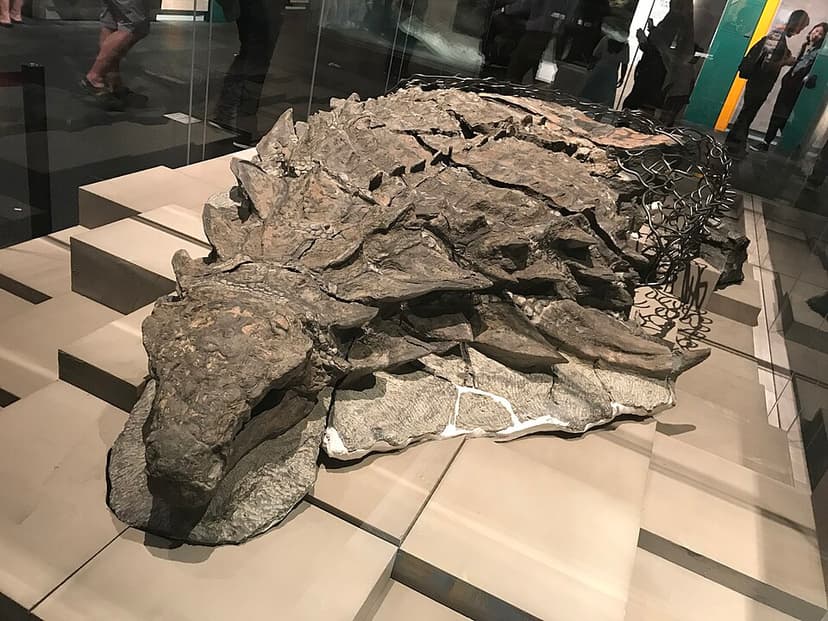
Borealopelta
Borealopelta is an extinct genus of herbivorous nodosaurid ankylosaur discovered in Alberta, Canada. Its single species, B. markmitchelli, is known from an exceptionally well-preserved fossil that includes not only its armor but also its skin, keratin sheaths, and stomach contents. This specimen provides remarkable insights into the dinosaur's appearance, diet, and defensive strategies.
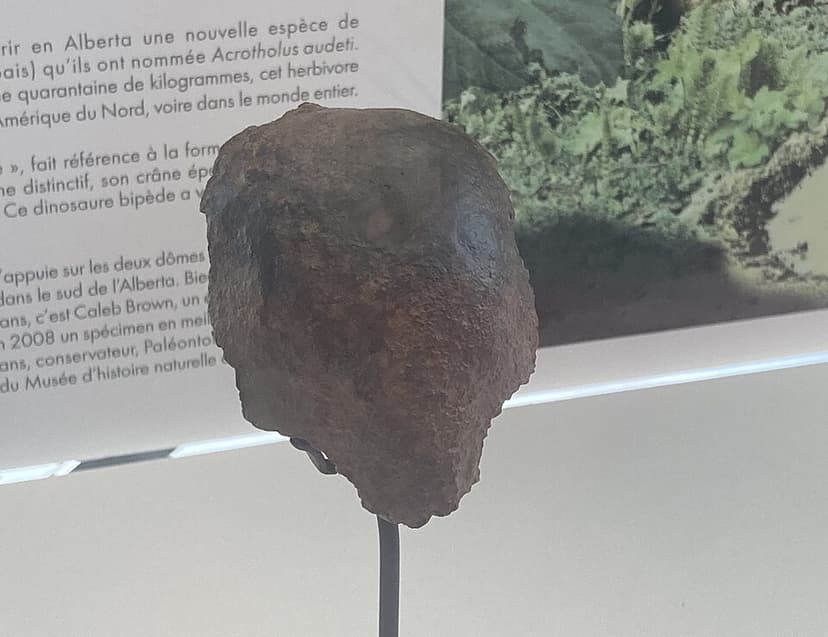
Acrotholus
Acrotholus is an extinct genus of pachycephalosaurian dinosaur that lived during the Santonian stage of the Late Cretaceous period in what is now Canada. It is notable for being one of the earliest known members of the pachycephalosaur family with a well-developed, dome-shaped skull. Acrotholus was a bipedal herbivore whose cranial dome has been theorized to have been used for intraspecies combat or display.