
Allosaurus
Carnivore·Late Jurassic·North America (Morrison Formation)·Bipedal
Allosaurus was a large theropod dinosaur that lived during the Late Jurassic period, approximately 155 to 143 million years ago. Known for its powerful build and sharp, serrated teeth, it was a prominent apex predator in its ecosystem. The genus has a complex taxonomic history, with several species recognized, the most well-known being *Allosaurus fragilis*.
Key Facts
- ›Lived during the Late Jurassic period, 155 to 143 million years ago.
- ›A large bipedal predator with a robust skull and sharp, serrated teeth.
- ›Averages 8.5 meters (28 ft) in length, with largest specimens estimated at 9.7 meters (32 ft).
- ›Apex predator of the Morrison Formation, preying on large herbivorous dinosaurs.
- ›Fossils are abundant in North America's Morrison Formation and also found in Portugal.
- ›Taxonomy is complex, with at least three valid species recognized.

Large Bipedal Predator, Massive Skull On A Short Neck, Long, Slightly Sloping Tail, Reduced Forelimbs With Three-Fingered Hands, Sharp, Serrated Teeth, Lightweight, Robust Skull
A. Fragilis, A. Europaeus, A. Jimmadseni, A. Anax
North America, Europe
About Allosaurus
Allosaurus is a genus of theropod dinosaur that roamed the Earth during the Late Jurassic period, approximately 155 to 143 million years ago. Its name, derived from Greek words meaning "different lizard," reflects the unique characteristics of its lightweight vertebrae, as noted by its describer, Othniel C. Marsh. Allosaurus was a formidable bipedal predator, characterized by a massive skull equipped with numerous sharp, serrated teeth, and a long, muscular tail that aided in balance.
Discovery and Taxonomy
The first fossils definitively attributed to Allosaurus were described by Othniel C. Marsh in 1877. The genus has a complex taxonomic history, with several species proposed over time. Allosaurus fragilis is the best-known species, with abundant fossil material recovered from North America's Morrison Formation. However, remains have also been found in Portugal, contributing to the understanding of its geographic distribution and potential faunal exchange between continents.
Physical Description and Ecology
Allosaurus was a large carnivore, with individuals of A. fragilis averaging around 8.5 meters (28 feet) in length, though larger specimens have been estimated. Its skull was robust yet relatively light, and its forelimbs, though smaller than its powerful hind limbs, were equipped with three-fingered hands. As the most abundant large predator in its environment, Allosaurus was an apex predator, likely preying on large herbivorous dinosaurs. Debates continue among paleontologists regarding whether Allosaurus hunted in packs or was a solitary hunter.
Fossil Sites and Significance
Significant fossil discoveries of Allosaurus have been made at sites such as the Cleveland-Lloyd Dinosaur Quarry in Utah, which has yielded a minimum of 73 individual dinosaurs, primarily A. fragilis. These extensive finds have made Allosaurus one of the best-understood theropod dinosaurs. Its fossils are common enough that it has been designated the state fossil of Utah. The genus has also been important in paleontological research, influencing early dinosaur reconstructions and public perception of prehistoric life.
Source: Wikipedia ↗
Frequently Asked Questions
What does the name Allosaurus mean?
The name "Allosaurus" comes from the Greek words "allos" (strange or different) and "sauros" (lizard or reptile). Paleontologist Othniel C. Marsh chose this name because he believed its lightweight vertebrae were unique among dinosaurs.
How large was Allosaurus?
The average length for *Allosaurus fragilis* is estimated at 8.5 meters (28 feet), with the largest specimens reaching up to 9.7 meters (32 feet) long. Weight estimates vary, but generally fall between 1 and 4 metric tons for adult individuals.
What did Allosaurus eat?
Allosaurus was a carnivore and an apex predator. It likely preyed on large herbivorous dinosaurs such as ornithopods, stegosaurids, and sauropods that inhabited the same environment.
Where were Allosaurus fossils found?
The majority of Allosaurus remains have been discovered in North America, primarily from the Morrison Formation. Fossils have also been found in Portugal from the Alcobaça, Bombarral, and Lourinhã formations.
Was Allosaurus a social hunter?
Scientists debate whether Allosaurus exhibited cooperative social behavior and hunted in packs or was a solitary predator that formed congregations. Evidence exists to support both hypotheses.
What is the best-known species of Allosaurus?
The best-known species of Allosaurus is *Allosaurus fragilis*. The abundance of its remains, particularly from the Cleveland-Lloyd Dinosaur Quarry, has allowed for detailed study.
Related Dinosaur species
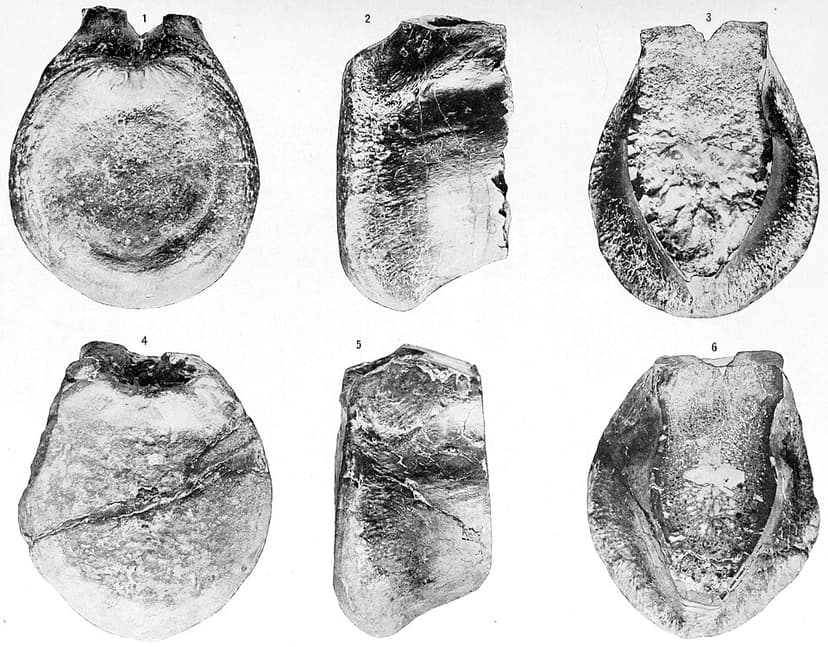
Antrodemus
Antrodemus is a dubious genus of theropod dinosaur from the Late Jurassic, likely from the Morrison Formation in Colorado. The species, Antrodemus valens, was originally described by Joseph Leidy in 1870, but is now considered a nomen dubium. For many years, casts of its fossils were used to represent Allosaurus, leading to widespread confusion.
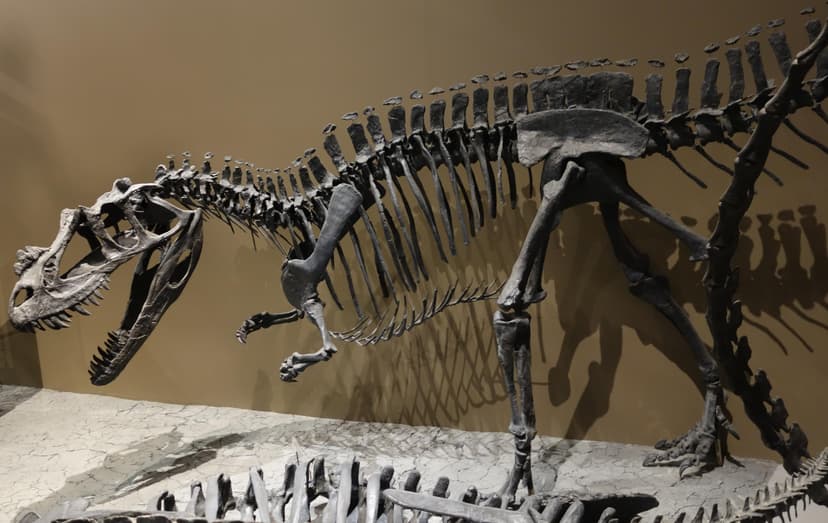
Ceratosaurus
Ceratosaurus was a carnivorous theropod dinosaur that lived during the Late Jurassic period in North America and Europe. Named for the distinctive horn on its snout, it was a medium-sized predator with deep jaws, proportionally large teeth, and a pair of smaller horns above its eyes. While the exact function of its nasal horn is debated, it likely served a display purpose rather than for combat.
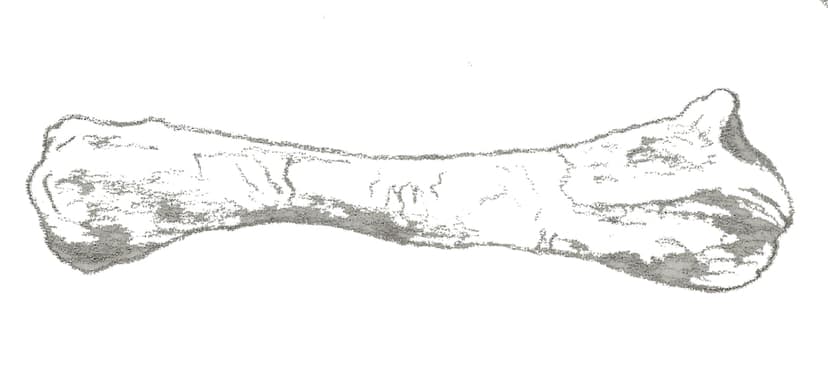
Chienkosaurus
Chienkosaurus is a dubious genus of carnivorous theropod dinosaur from the Late Jurassic of China. Its name means "lizard of Jiange County," and it was likely related to Szechuanosaurus. The genus is known from very limited fossil material, primarily teeth, leading to its classification as dubious.