
Antrodemus
Carnivore·Late Jurassic·Middle Park, Colorado·Bipedal
Antrodemus is a dubious genus of theropod dinosaur from the Late Jurassic, likely from the Morrison Formation in Colorado. The species, Antrodemus valens, was originally described by Joseph Leidy in 1870, but is now considered a nomen dubium. For many years, casts of its fossils were used to represent Allosaurus, leading to widespread confusion.
Key Facts
- ›Antrodemus is considered a dubious genus due to poor diagnostic features.
- ›The type species is Antrodemus valens, described in 1870 by Joseph Leidy.
- ›Fossils were discovered in Middle Park, Colorado, likely from the Morrison Formation.
- ›For decades, Antrodemus was used as a preferred name for Allosaurus specimens.
- ›Modern paleontological consensus regards Antrodemus as a nomen dubium.
- ›A mounted skeleton labeled as Antrodemus at Princeton University remained so for over 63 years.
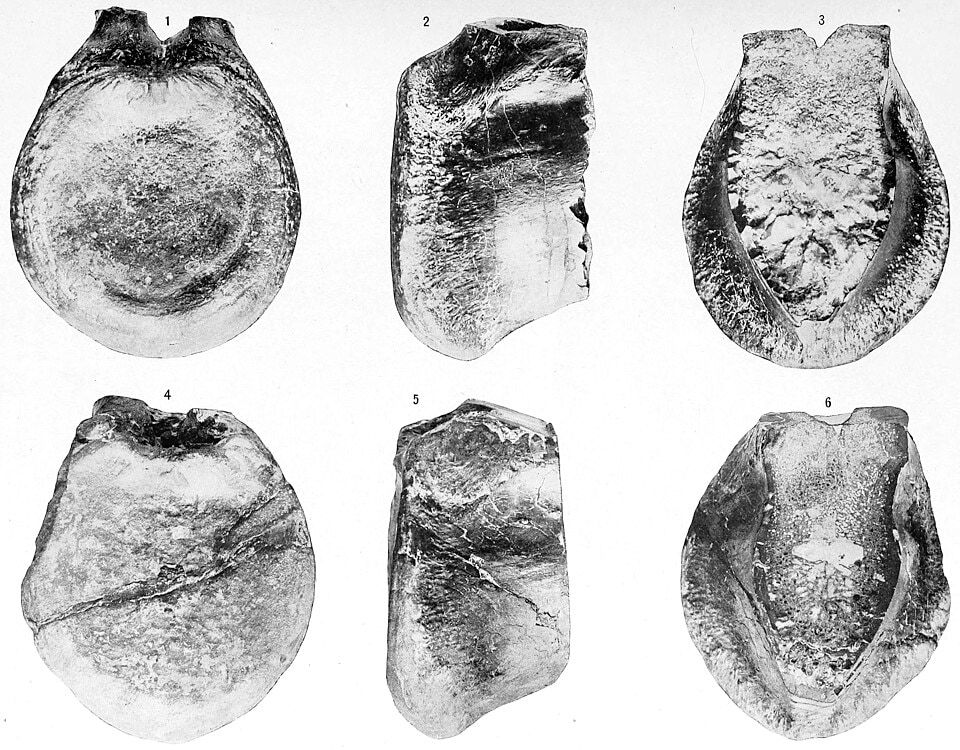
- Possessed a large medullary cavity in its tail vertebrae.
- The genus name 'Antrodemus' refers to its 'chamber bodied' nature.
Allosaurus
North America
About Antrodemus
Antrodemus is a genus of theropod dinosaur that lived during the Upper Jurassic period. The name, meaning "chamber bodied," refers to a prominent feature observed in its fossilized tail vertebrae. The sole recognized species, Antrodemus valens, was first described by Joseph Leidy in 1870.
Discovery and Classification
The initial fossil discovery consisted of a single bone, likely a tail vertebra, obtained secondhand in 1869 from Middle Park, Colorado. Leidy tentatively assigned it to the European genus Poekilopleuron due to the presence of a large medullary cavity, a characteristic distinguishing it from P. bucklandii. He noted that if further discoveries revealed more distinct features, it might warrant a new genus, which he later established as Antrodemus in 1873.
For many decades, the name Antrodemus was widely accepted, with paleontologists like Charles W. Gilmore advocating for its priority over Allosaurus based on the principle of older names taking precedence. This view persisted for over fifty years.
Status as a Nomen Dubium
In 1976, James Madsen's work on specimens from the Cleveland-Lloyd Dinosaur Quarry led to a reassessment. Madsen concluded that the material assigned to Antrodemus possessed insufficient diagnostic characteristics and lacked precise locality data, making it difficult to definitively separate from Allosaurus. Subsequent scientific consensus has followed this assessment, and Antrodemus is now generally considered a nomen dubium, meaning its scientific name is of doubtful application.
Legacy of Misidentification
Despite its dubious status, the name Antrodemus had a significant impact on public perception. A mounted skeleton of Allosaurus at Princeton University's Museum of the Geosciences was labeled as Antrodemus for over 63 years, from 1961 until 2024. This long-standing mislabeling likely contributed to the genus's continued recognition in some contexts, even as the scientific community moved to classify it as uncertain.
Source: Wikipedia ↗
Frequently Asked Questions
What does the name Antrodemus mean?
The name Antrodemus is derived from Greek words meaning 'chamber bodied'. This name was given due to the presence of a large medullary cavity within the discovered tail vertebra.
When did Antrodemus live?
Antrodemus lived during the Upper Jurassic period. This geological period spans from approximately 163.5 to 145 million years ago.
Where were Antrodemus fossils found?
The first described fossil specimen of Antrodemus was found in Middle Park, near Granby, Colorado. It is believed to have originated from rocks belonging to the Morrison Formation.
Why is Antrodemus considered dubious?
Antrodemus is considered a dubious genus, or nomen dubium, because the fossil material it is based on has poor diagnostic features and limited locality information. This makes it difficult to definitively distinguish from other similar dinosaurs.
What is the relationship between Antrodemus and Allosaurus?
Initially, Antrodemus was thought to be a distinct genus, and its name was even preferred over Allosaurus for a period. However, later research concluded that the material attributed to Antrodemus was indistinguishable from Allosaurus and lacked sufficient diagnostic characters, leading to Antrodemus being reclassified as dubious and Allosaurus as the valid name.
How long was Antrodemus misidentified?
A significant display skeleton of Allosaurus was labeled as Antrodemus at Princeton University for over 63 years, from February 1961 until October 2024. This long period of mislabeling contributed to the confusion surrounding the genus.
Related Dinosaur species

Allosaurus
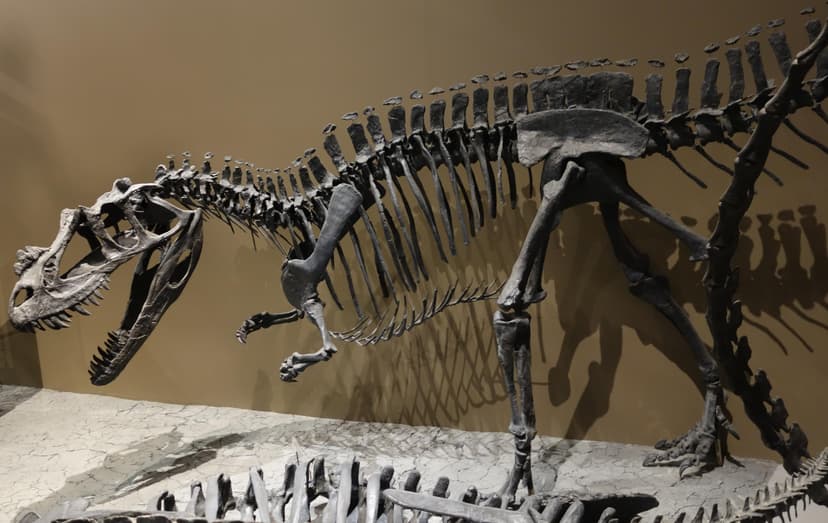
Allosaurus was a large theropod dinosaur that lived during the Late Jurassic period, approximately 155 to 143 million years ago. Known for its powerful build and sharp, serrated teeth, it was a prominent apex predator in its ecosystem. The genus has a complex taxonomic history, with several species recognized, the most well-known being *Allosaurus fragilis*.
Ceratosaurus
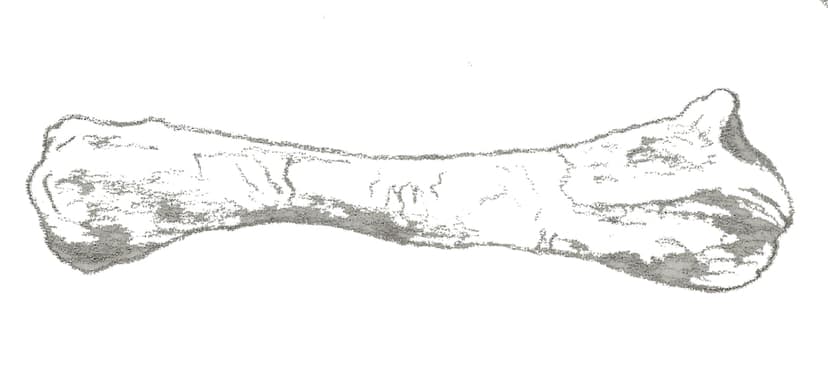
Ceratosaurus was a carnivorous theropod dinosaur that lived during the Late Jurassic period in North America and Europe. Named for the distinctive horn on its snout, it was a medium-sized predator with deep jaws, proportionally large teeth, and a pair of smaller horns above its eyes. While the exact function of its nasal horn is debated, it likely served a display purpose rather than for combat.
Chienkosaurus
Chienkosaurus is a dubious genus of carnivorous theropod dinosaur from the Late Jurassic of China. Its name means "lizard of Jiange County," and it was likely related to Szechuanosaurus. The genus is known from very limited fossil material, primarily teeth, leading to its classification as dubious.