
Alvarezsaurus
Insectivore (suspected)·Late Cretaceous·Argentina·Bipedal
Alvarezsaurus was a small, bipedal theropod dinosaur that lived in Argentina during the Late Cretaceous period, approximately 86 to 83 million years ago. Measuring between 1 to 1.4 meters long and weighing around 3 kilograms, it was characterized by a long tail and leg structure suggesting it was a fast runner. Its diet is believed to have been insectivorous, and it is considered a basal member of the alvarezsaurid family.
Key Facts
- ›Lived in Argentina during the Late Cretaceous period.
- ›Estimated to be 1-1.4 meters long and weigh about 3 kg.
- ›Was a bipedal theropod with a long tail, likely a fast runner.
- ›May have been insectivorous.
- ›Considered a basal member of the alvarezsaurid family.
- ›Fossils were found in the Bajo de la Carpa Formation.
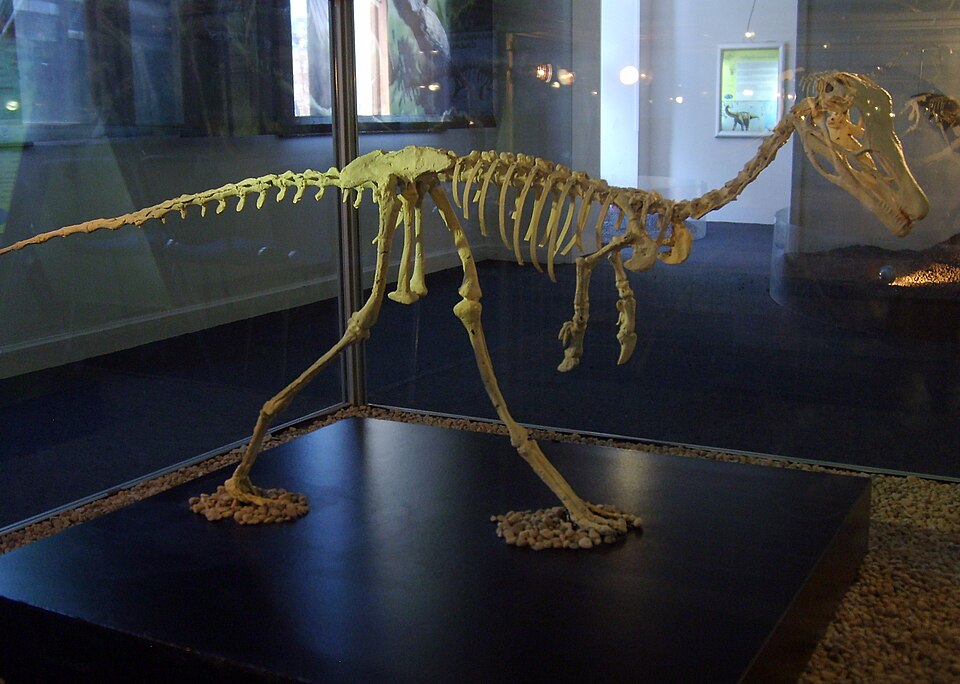
- Small dinosaur
- Bipedal theropod
- Long tail
- Leg structure suggests fast running
- Scapula was curved and proportionally smaller than other alvarezsaurids
- Did not have a fused astragalus and calcaneum
- Metatarsal III was the longest, followed by an unusually long metatarsal IV
Mononykus, Shuvuuia, Haplocheirus
Argentina
About Alvarezsaurus
Alvarezsaurus is a genus of alvarezsaurid dinosaur that roamed the Earth during the Late Cretaceous period, approximately 86 to 83 million years ago. Fossils of this creature have been discovered in Argentina, specifically within the Bajo de la Carpa Formation. The genus was formally described and named by paleontologist José Bonaparte in 1991. The type species is Alvarezsaurus calvoi.
Physical Description and Lifestyle
Alvarezsaurus was a relatively small dinosaur, with estimates placing its length between 1 and 1.4 meters (approximately 3.3 to 4.6 feet) and its weight around 3 kilograms (6.6 pounds). As a bipedal theropod, it possessed a long tail, and its leg structure indicates it was likely a fast runner. Distinctive anatomical features include ventrally sharp centra on its proximal caudal vertebrae and sub-triangular transverse processes. Unlike some of its relatives, Alvarezsaurus did not have a fused astragalus and calcaneum. Its metatarsals were also unique, with metatarsal III being the longest, followed by an unusually long metatarsal IV. While not definitively proven, its anatomy suggests that Alvarezsaurus may have been insectivorous.
Classification and Evolutionary Context
Within the dinosaur family tree, Alvarezsaurus is considered basal, meaning it represents an early or primitive form within the alvarezsaurid group. It is closely related to more well-known alvarezsaurids such as Mononykus and Shuvuuia. Historically, there have been debates about its precise classification, with some studies placing alvarezsaurids closer to early birds. However, the discovery of more basal members like Haplocheirus has refined the understanding of the family's evolutionary relationships and distribution.
Source: Wikipedia ↗
Frequently Asked Questions
When did Alvarezsaurus live?
Alvarezsaurus lived approximately 86 to 83 million years ago during the Late Cretaceous period.
How big was Alvarezsaurus?
Alvarezsaurus was a small dinosaur, measuring between 1 to 1.4 meters (3.3 to 4.6 feet) in length and weighing approximately 3 kilograms (6.6 pounds).
What did Alvarezsaurus eat?
Based on its characteristics, Alvarezsaurus may have been insectivorous, meaning it likely fed on insects.
What is Alvarezsaurus known for?
Alvarezsaurus is known as a basal member of the alvarezsaurid family and possessed a leg structure suggesting it was a fast runner. It also had unique metatarsal proportions.
Where were Alvarezsaurus fossils found?
Fossils of Alvarezsaurus were discovered in the Bajo de la Carpa Formation in Argentina.
Related Dinosaur species

Aerosteon
Aerosteon was a megaraptoran dinosaur that lived in Argentina during the Late Cretaceous period. Its name, meaning "air bone," refers to the bird-like respiratory system evident in its fossilized remains, which included air-filled spaces in its bones. This unique feature suggests a sophisticated breathing mechanism similar to that of modern birds.
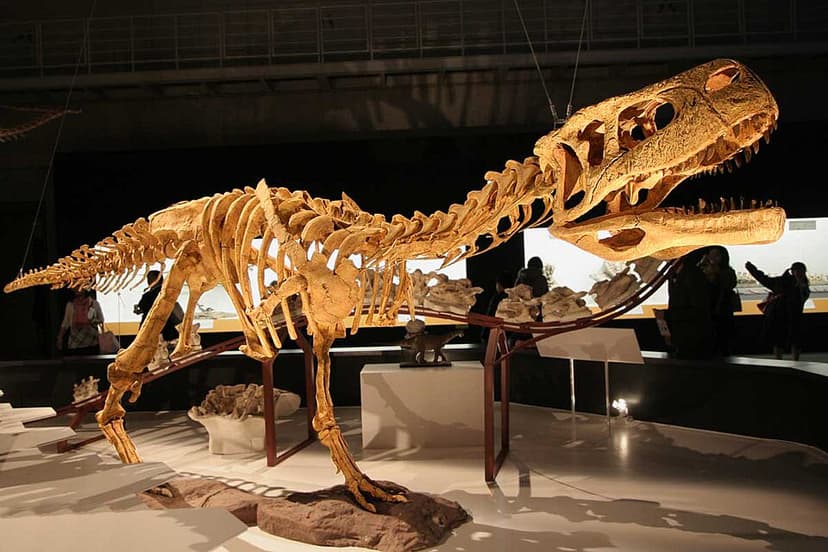
Aucasaurus
Aucasaurus is a genus of medium-sized abelisaurid theropod dinosaur that lived in Argentina during the Late Cretaceous period. It was characterized by its extremely reduced arms and lack of fingers, and possessed low ridges above its eyes instead of horns. The type specimen is well-preserved, offering significant insight into its anatomy.

Austroraptor
Austroraptor is a genus of dromaeosaurid theropod dinosaur that lived in Argentina during the Late Cretaceous period. It was a large, ground-dwelling carnivore, notable for its relatively short forelimbs and conical, non-serrated teeth. Its discovery provided insights into the diversity of dromaeosaurids in the Southern Hemisphere.